
Why Post-Monsoon is Prime Time
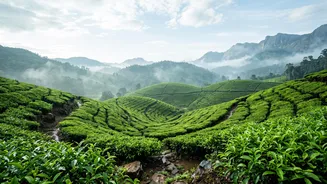
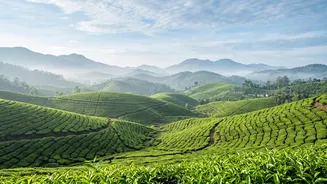
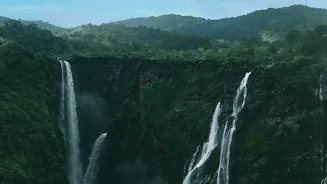
The period from September to November is a magical time to visit Wayanad. The heavy rains have subsided, leaving behind a landscape that is incredibly vibrant and green. Waterfalls like Soochipara and Meenmutty are in their full glory, and the air is fresh
and cool. This season strikes the perfect balance, offering the lush beauty of the monsoon without the constant downpour, making it ideal for sightseeing and outdoor activities. It’s a sweet spot before the peak winter crowds arrive, meaning you get great weather and more serene surroundings.
Getting to Wayanad from Bengaluru
The journey from Bengaluru to Wayanad is a scenic six-to-seven-hour drive, covering approximately 280 kilometres. Driving your own car offers the most flexibility. The most popular route is via Mysore, Gundlupet, and then through the Bandipur Tiger Reserve. Remember that the Bandipur forest gate is closed to traffic from 9 PM to 6 AM, so plan your travel times accordingly. If you prefer public transport, numerous KSRTC and private overnight buses ply this route, with tickets being quite budget-friendly. A bus journey is a hassle-free option that ensures you cross the forest stretch during permissible hours.
Finding Your Budget-Friendly Homestay
Wayanad is dotted with charming and affordable homestays that offer a more authentic experience than a conventional hotel. These accommodations range from traditional family homes to small cottages set amidst coffee or spice plantations. Areas like Kalpetta, Sulthan Bathery, and Vythiri are popular bases with plenty of options. Booking a homestay not only supports the local community but also gives you a chance to savour delicious home-cooked Malabar cuisine. Many hosts can also help arrange local sightseeing and activities. For budget travellers, looking for stays slightly away from the main tourist hubs can often yield great value.
The Highlight: Bamboo Rafting on Kuruva Island
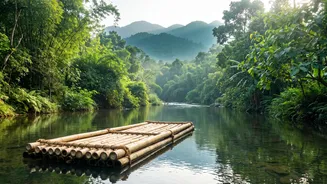
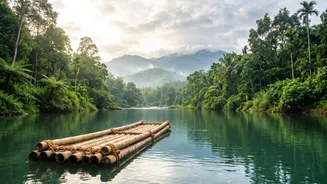
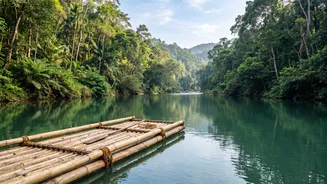
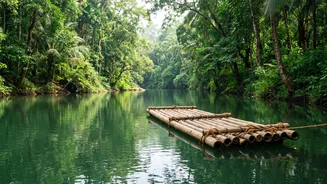
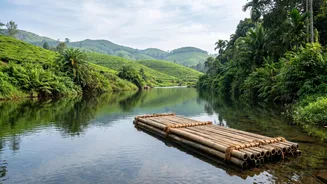
A trip to Wayanad is incomplete without experiencing the tranquility of bamboo rafting. The prime location for this is Kuruva Island (Kuruvadweep), a 950-acre protected river delta on the Kabini River. These uninhabited islands are a paradise of dense green forests, rare birds, and orchids. You reach the main island via a bamboo raft operated by the District Tourism Promotion Council (DTPC). Once there, you can walk through the serene forest trails and soak in the untouched nature. The island typically closes during the heavy monsoon (June-September) due to high water levels, but the post-monsoon period is the best time to visit as it reopens with lush greenery. Always check with local authorities for the most current opening status before you go.
Beyond the Raft: Other Must-See Spots
While rafting is a key attraction, Wayanad has much more to offer. You can delve into ancient history at the Edakkal Caves, which feature petroglyphs dating back thousands of years. For breathtaking views, head to Lakkidi View Point, which offers a panoramic vista of the winding ghat roads below. Another popular spot is Pookode Lake, a natural freshwater lake where you can enjoy boating amidst a beautiful forest. If you have more time, a visit to the Banasura Sagar Dam, India's largest earthen dam, is highly recommended for its stunning scenery and boating opportunities.