





In a moment of immense pride for India, Patna's Bihar Museum has secured the ninth spot on the prestigious 'World's 100 Best Museums 2026' list by travel guide Worth a Journey, even ranking above The Met in New York and the Louvre in Paris.
A Global Recognition of Culture
The Bihar Museum
is the only Indian institution to make it onto the 2026 list, and its ninth-place position makes it the highest-ranked museum in all of Asia. The list, compiled by the Germany-based travel publication Worth a Journey, places the Patna institution in the company of global giants. Mexico City's Museo Nacional de Antropología took the top spot, followed by Madrid's Museo del Prado and Denmark's Louisiana Museum of Modern Art. This recognition is a significant milestone, placing Bihar's rich heritage and its modern showcase on the world stage and validating its vision to create a world-class cultural destination. Anjani Kumar Singh, the museum's director general, expressed a sense of pride and achievement at the international recognition.
A Masterpiece of Modern Architecture
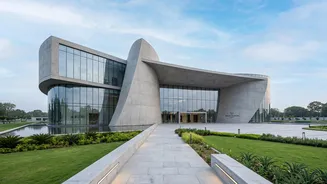
Opened to the public in phases since 2015, the museum itself is a work of art. Spread across a sprawling 13-acre campus, it was designed by the Pritzker Prize-winning Japanese architect Fumihiko Maki in collaboration with the Mumbai-based firm Opolis Architects. Rather than a single monolithic structure, the museum is conceived as a campus—an interconnected landscape of buildings and tranquil courtyards. The exterior is clad in weatherproof Corten steel, a nod to India's historical achievements in metallurgy, which creates a striking, earthy contrast with the surrounding greenery. The design thoughtfully incorporates traditional elements like jali screens to filter natural light, creating a serene and comfortable environment for visitors to explore the extensive collections within.
A Journey Through Millennia
Inside its galleries, the Bihar Museum takes visitors on a chronological journey through the region's incredible history, from prehistoric times up to the year 1764. Artefacts from the post-1764 period remain at the older Patna Museum, with the two institutions working to complement each other. The collections are vast, featuring stone tools, ancient coins, intricate terracotta figures, and priceless sculptures from the Mauryan, Gupta, and Pala dynasties. The museum's star attraction is the Didarganj Yakshi, a stunning 2,300-year-old life-sized statue carved from a single piece of polished Chunar sandstone, considered one of the finest examples of Mauryan art. Other galleries are dedicated to regional folk arts like Madhubani and Tikuli, a Bihari Diaspora gallery, and a contemporary art section, offering a comprehensive look at Bihar's cultural fabric.
More Than Just A Building
Beyond its stunning architecture and priceless artefacts, the Bihar Museum was designed to be an engaging and educational space for everyone. It has been instrumental in making history accessible and exciting. A dedicated Children's Gallery offers interactive, handson exhibits that explore wildlife, culture, and science, making it a familyfriendly destination. The museum is also a dynamic cultural hub, regularly hosting events, workshops, and biennales that connect with the community and the wider world. By blending heritage with modern curation and interactive learning, the institution serves not just as a repository of the past, but as a living centre for culture that aims to instill a sense of pride and connection to Bihar's profound legacy.