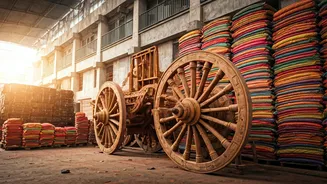







A Tradition of Movement and Faith
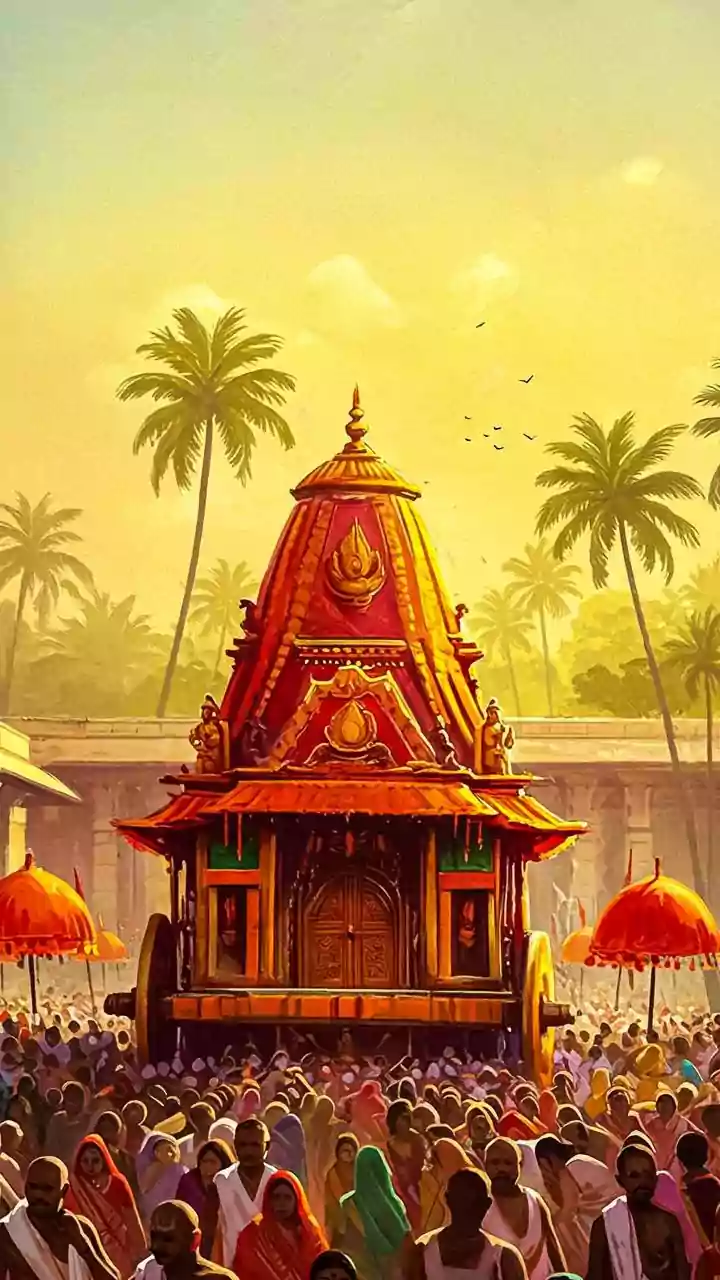
At its heart, the Rath Yatra, or the Festival of Chariots, is a profound act of faith. It commemorates the annual journey of Lord Jagannath, his brother Lord Balabhadra, and sister Goddess Subhadra, from their temple home to the Gundicha Temple, considered
their aunt's abode. This isn't just a local festival; it's a nationwide phenomenon, with the epicenter in Puri, Odisha, drawing millions. The core principle is accessibility—the deities leave the temple's inner sanctum to offer darshan (divine vision) to everyone, regardless of caste or creed. For nine days, the gods dwell among the people before making the return journey, known as the Bahuda Yatra. The 2026 festival, set for July 16, continues this thousands-of-years-old tradition.
Puri: The Epicenter of Preparations
In Puri, planning for the Rath Yatra is a year-round affair that intensifies in the weeks prior. As of early July, coordination meetings are a daily reality, bringing together the temple administration, district officials, and police to manage the mammoth event. Recent high-level reviews have focused on seamless transport and crowd management, especially along the busy Bhubaneswar-Puri corridor which sees a massive influx of devotees. Key directives include urgent repairs to the national highway, installation of CCTV at parking lots, and deploying free shuttle services to the Grand Road. Police are also emphasizing real-time communication about the festival's rituals to streamline crowd flow, a crucial lesson learned from tragedies at past events. This year, police presence will be significantly increased to ensure a smooth and safe experience for the lakhs of devotees expected.
Celebrations Across the Nation
While Puri's celebration is the most famous, the spirit of Rath Yatra echoes across India. Ahmedabad hosts the country's second-largest procession, which will mark its 149th year in 2026. Preparations there are well underway, with reports indicating that 95% of the development work on the 14-km procession route is complete, including the installation of new lighting and a public plaza near the Jagannath temple in the Jamalpur area. In Delhi, the Jagannath Mandir at Tyagraj Nagar is planning a historic celebration by introducing three separate chariots for the deities for the first time, mirroring the grand tradition of Puri. Cities like Kolkata, Vadodara, and Mumbai also hold significant celebrations, each with its own local flavour and community involvement.
Modern Challenges Meet Ancient Rituals
Organizing an event that attracts millions in 2026 comes with a unique set of challenges. Crowd management is the primary concern for officials everywhere. Planners are moving beyond traditional methods and embracing technology. In Puri, authorities are installing a large number of LED screens along the Grand Road and the highway from Bhubaneswar to provide real-time information to devotees. The use of AI-based video analytics and drones for monitoring crowd density is becoming a key strategy to prevent dangerous overcrowding, where density surpasses five people per square meter. These modern tools are integrated into a larger framework of risk assessment, which includes identifying potential bottlenecks, creating clear one-way paths for movement, and ensuring that emergency services are on standby.
More Than a Procession, It's a Mela
The Rath Yatra is as much a 'mela' as it is a religious procession. The festival transforms entire cities into bustling hubs of activity. The Grand Road in Puri becomes a marketplace filled with vendors, food stalls, and artisans. Beyond the spiritual significance, the event is a massive economic driver for local communities. The Odisha government's Information & Public Relations Department is also planning a vibrant cultural program, with traditional folk artists performing at information centers and bhajan singers taking the stage near the Gundicha Temple each evening. This fusion of devotion, culture, and commerce creates an unforgettable atmosphere that embodies the community spirit and social significance of the festival. It's a time when the sacred and the celebratory come together on the streets for everyone to share.