

Meet Shokupan, Japan's Iconic Bread
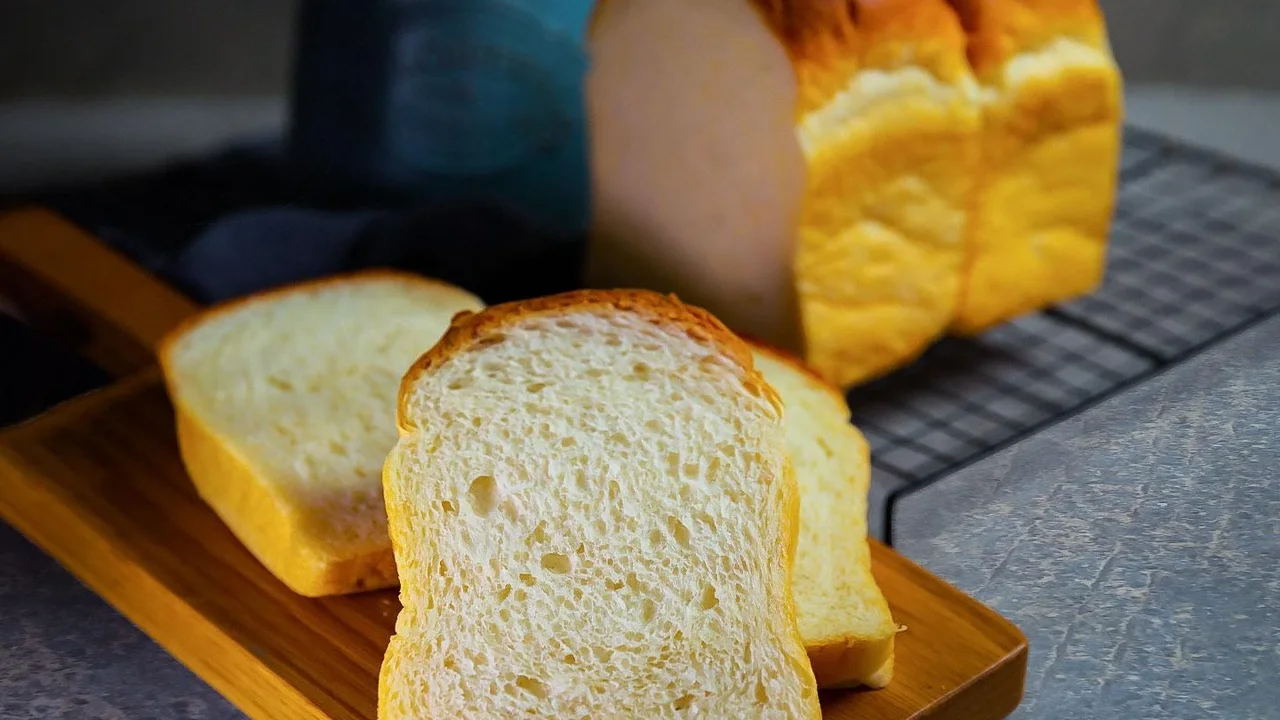
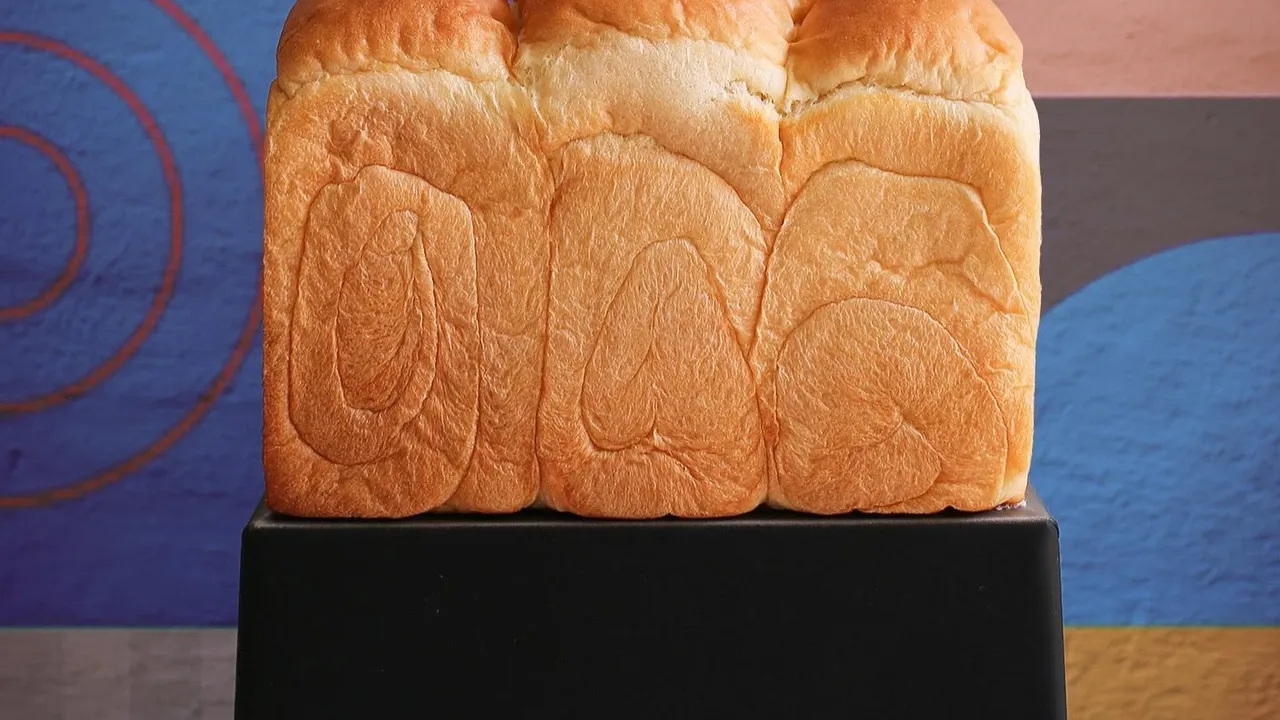
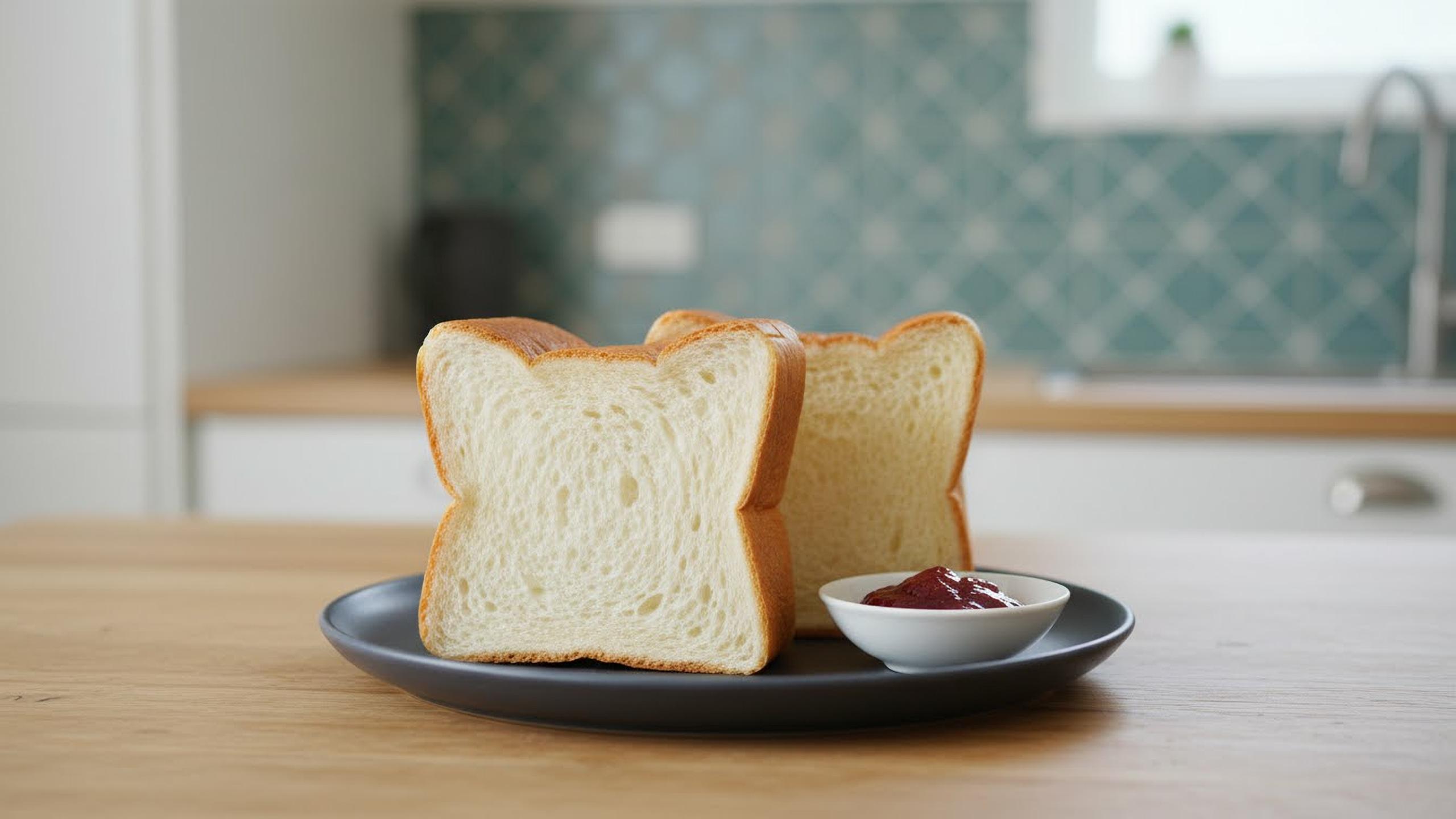
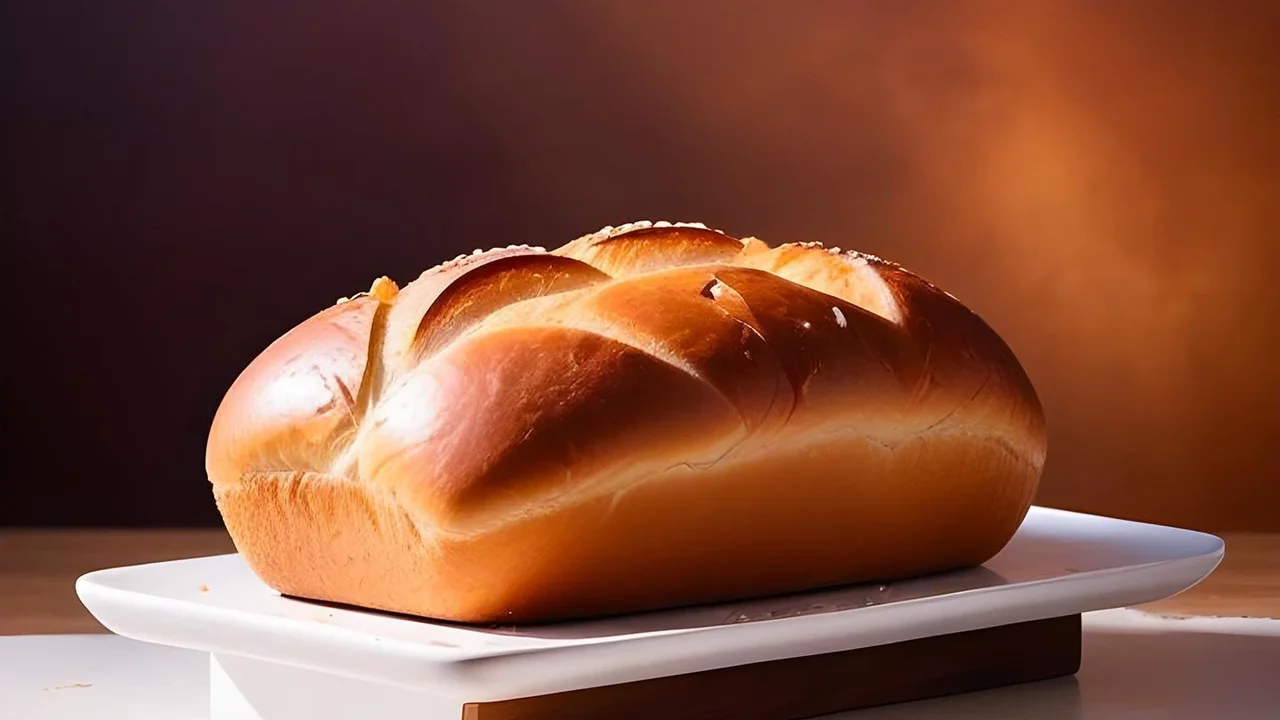
The loaf in question is called 'shokupan', which literally translates to “eating bread”. While that might sound basic, the experience is anything but. Known in English as Japanese milk bread, shokupan is a staple in Japan, more common in households than
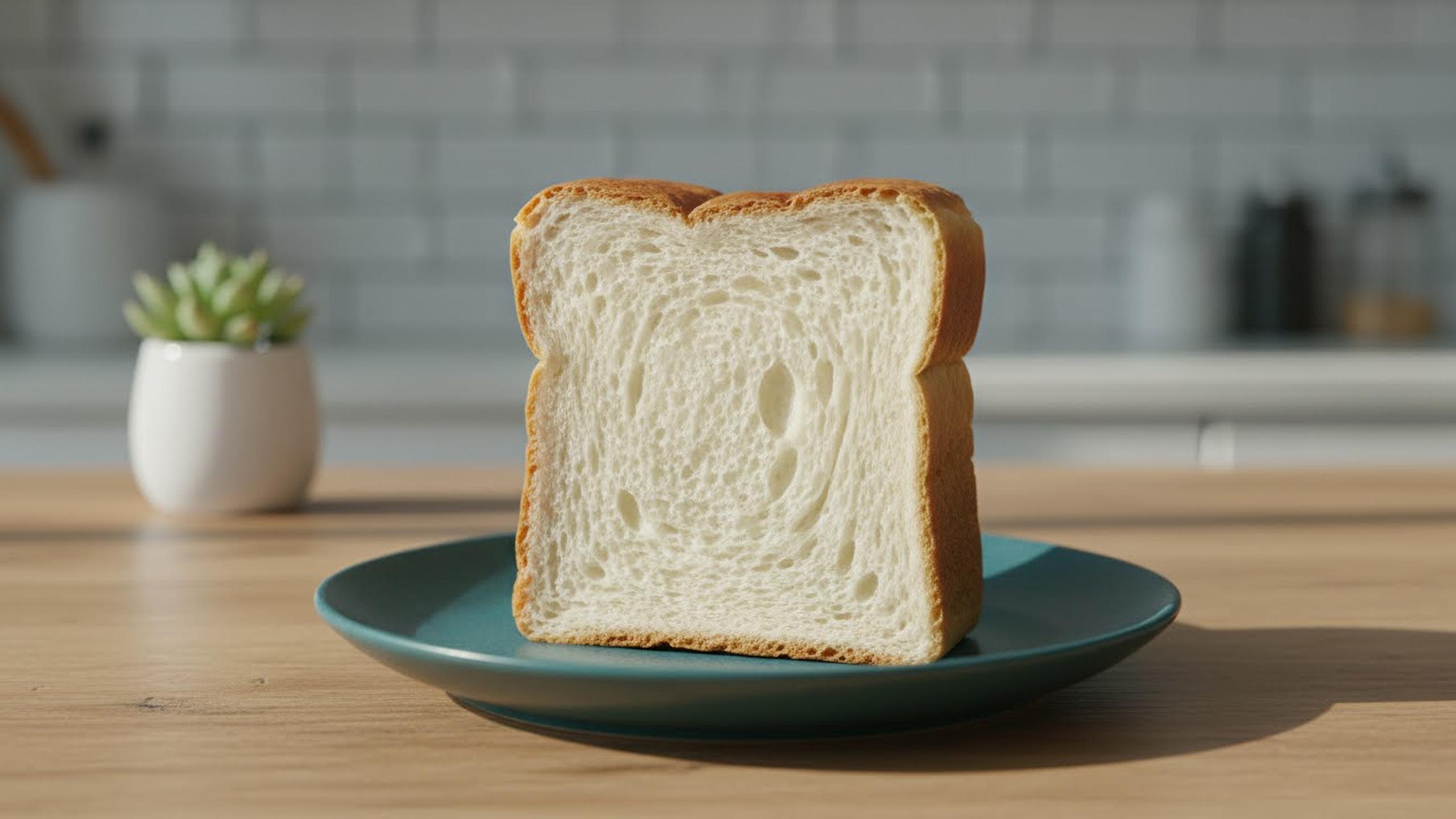
even ramen or sushi. It looks like a simple white loaf, often baked into a perfect square shape using a special lidded pan called a Pullman loaf pan. But to compare it to standard supermarket sandwich bread would be a mistake. Shokupan boasts a miraculously soft, fluffy, and moist texture that has earned it an artisanal status in its home country and a growing global fanbase.
The Secret to Its Cloud-Like Texture
The magic behind shokupan's incredible softness lies in a special technique known as either 'yudane' or 'tangzhong'. Both methods involve pre-cooking a small portion of the flour with a liquid like water or milk to form a thick paste, or roux. This gelatinized starch is then added to the main dough. The process allows the flour to absorb and hold onto significantly more moisture. The result is a bread that is incredibly tender and has a longer shelf life, staying soft and fresh for days without the need for preservatives or excessive amounts of fat. This scientific approach is what creates the bread's signature 'mochi-mochi' or bouncy, slightly chewy mouthfeel.
A Subtly Sweet and Milky Flavour
Beyond its extraordinary texture, shokupan stands out for its taste. It has a delicate, milky sweetness that distinguishes it from the savoury or tangy profiles of sourdough and other European-style loaves. The recipe often includes high-quality milk, butter, and sometimes a touch of cream or honey, which contribute to its rich but light flavour profile. This subtle sweetness makes it delicious enough to be eaten on its own, torn straight from the loaf. It’s a flavour that doesn't overpower, making it an incredibly versatile base for both sweet and savoury applications.
The Art of the Thick-Cut Toast
In Japan, how you slice your shokupan is part of the experience. Bakeries often sell it in various thicknesses, with each suited for a different purpose. For toast, a thick cut is non-negotiable. When a generous slice is toasted, something wonderful happens: the exterior becomes golden and crisp while the inside remains pillowy, steamy, and moist. This contrast in textures is what makes shokupan toast so exciting. A simple spread of butter melts into the warm, airy crumb, creating a breakfast that feels both comforting and luxurious. It’s a far cry from the uniform crunch of a thin, dry piece of toast.
More Than Just a Breakfast Item
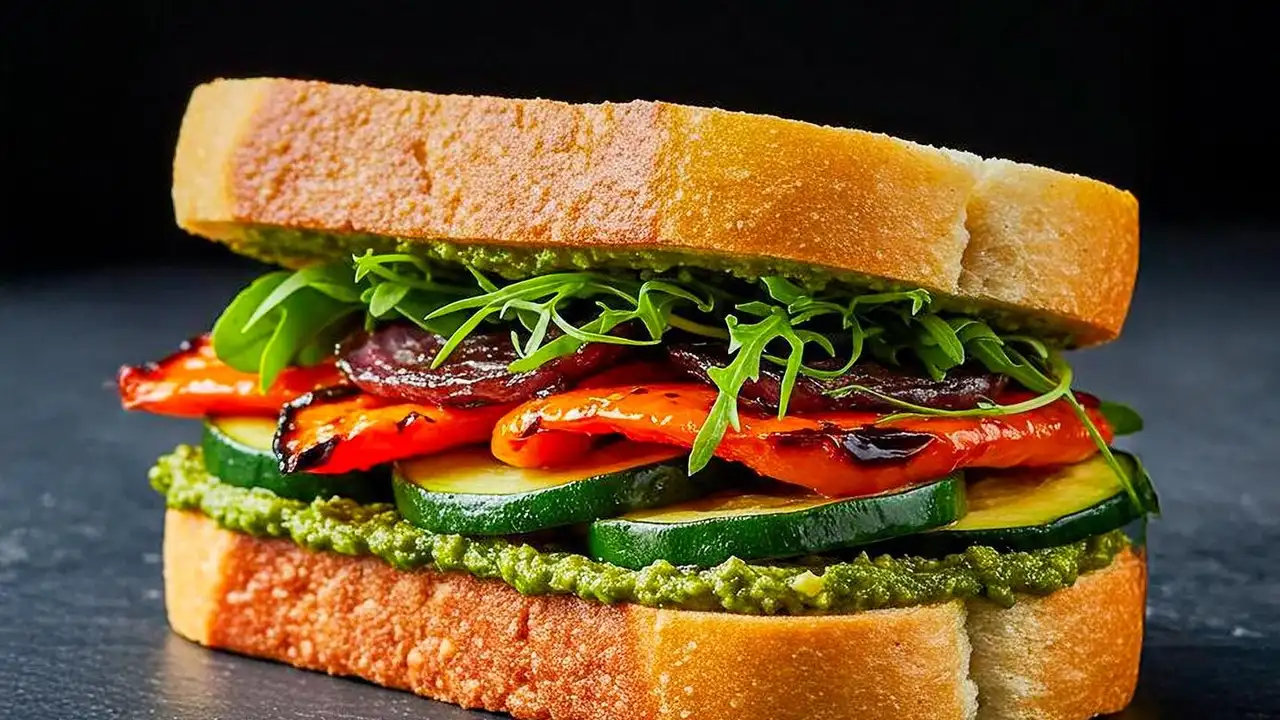
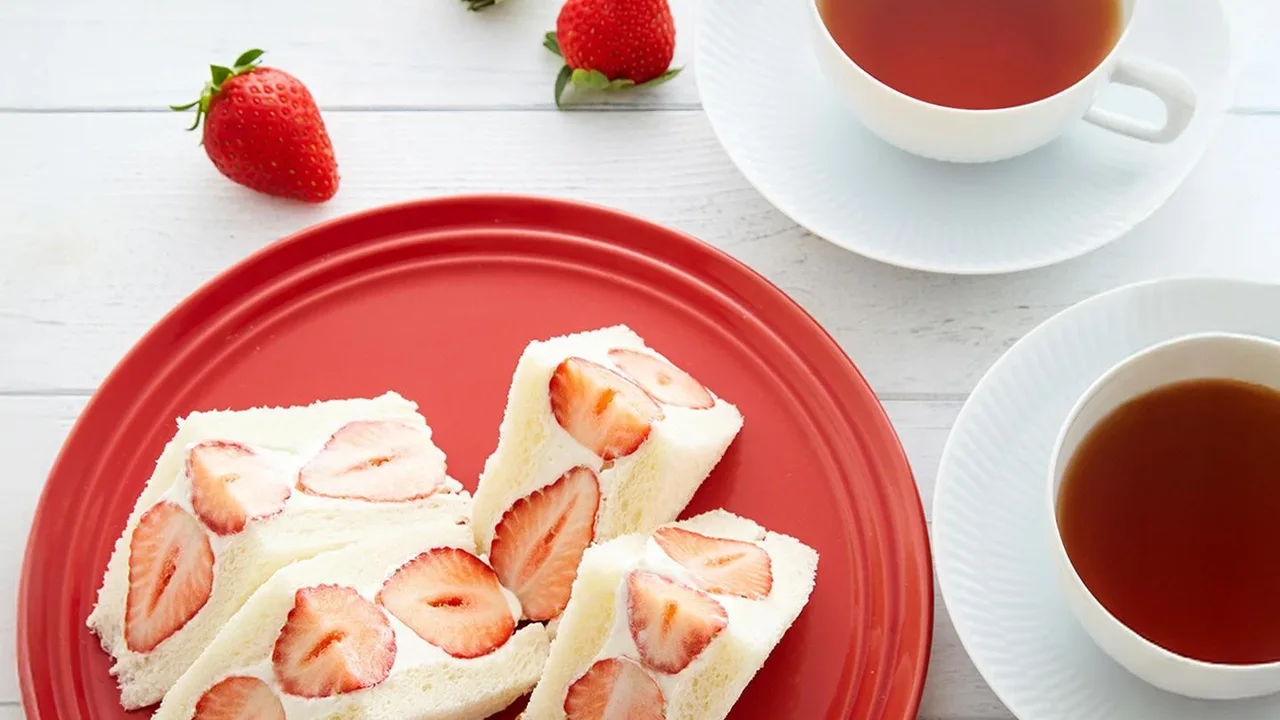
While it makes phenomenal toast, shokupan’s utility doesn't end there. Its sturdy yet soft structure makes it the perfect vehicle for Japan’s famous sandwiches, or 'sandos'. It’s the bread of choice for the iconic fruit sando, filled with whipped cream and fresh fruit, and the savoury katsu sando, featuring a crispy breaded pork cutlet. Its slight sweetness complements both types of fillings perfectly. Beyond that, its rich and tender crumb makes it an excellent choice for creating indulgent French toast or bread pudding.