




The Daily Struggle: More Than Just Motivation
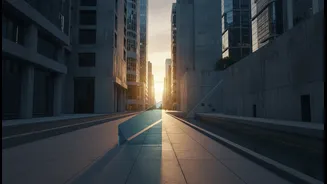
For millions of urban Indians, the dream of a healthy lifestyle clashes with a daily reality of long commutes, high-stress jobs, and the overwhelming convenience of unhealthy options. This isn't a failure of individual discipline, but a symptom of our
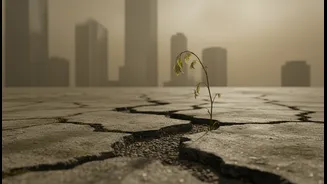
environment. Rapid urbanisation has created cities that prioritise speed over well-being, leading to sedentary lives and a sharp rise in non-communicable diseases (NCDs) like diabetes and hypertension. Studies show that the urban environment is a major driver of this shift, as physical inactivity and unhealthy diets become the default for many. The result is a public health crisis where city dwellers face a dual burden: the infectious diseases common in overcrowded areas and the lifestyle diseases born from modern urban life.
Our Streets Weren't Built for Health
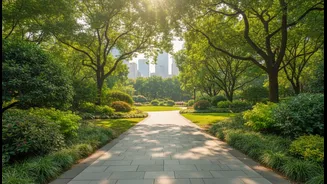
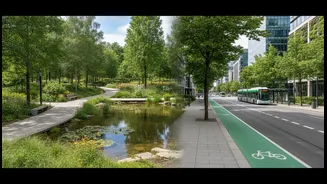
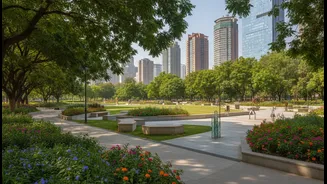
The physical design of our cities often makes healthy choices difficult. A lack of safe, continuous footpaths, poorly maintained parks, and the constant threat of traffic make a simple walk or jog a hazardous activity. While the World Health Organisation recommends at least 9 square metres of green space per person, many Indian cities fall drastically short, with some offering less than one square metre. This scarcity of accessible public spaces for recreation pushes people indoors and into cars. The alternative—walking or cycling—is often unpleasant and unsafe due to air pollution and a lack of dedicated, shaded infrastructure. A city's walkability isn't just an aesthetic feature; it is a core component of public health infrastructure.
The Urban Food Maze
The phrase "you are what you eat" takes on new meaning in a city. Many urban neighbourhoods, particularly low-income areas, are considered "food deserts" or "food swamps". A food desert is an area with limited access to fresh, affordable produce, while a food swamp is an area saturated with fast-food chains and outlets selling highly processed, unhealthy food. In the Indian context, even when food is available, it is often energy-dense but nutrient-poor. The easy availability and affordability of processed snacks and sugary drinks, coupled with a fast-paced lifestyle, steer consumers away from healthier, traditional diets. This contributes significantly to malnutrition, which paradoxically includes both undernutrition and a rising tide of obesity.
A Blueprint for Healthier Cities
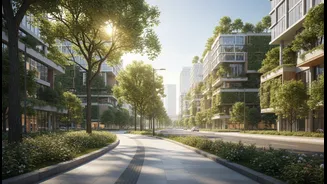
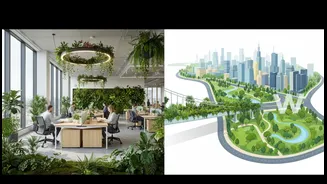
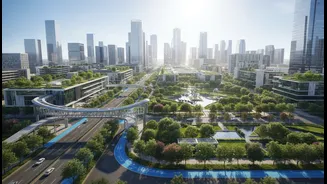
The good news is that change is possible, and it’s already beginning in pockets across the country. The solution lies in consciously redesigning our cities to make the healthy choice the easy choice. This involves what some experts call a "Tall, Green, and Walkable" approach. Initiatives under the Smart Cities Mission and AMRUT (Atal Mission for Rejuvenation and Urban Transformation) are focusing on creating more green spaces, improving public transport, and building infrastructure for walking and cycling. Cities like Pune and Bengaluru have started implementing dedicated cycling lanes and improving walkability. Recent policy discussions, including the Supreme Court's recognition of the 'right to walk' in 2026, are pushing municipalities to prioritise pedestrian comfort and safety, including the crucial element of tree cover for shade.
From Individual Effort to Collective Action
Ultimately, fostering healthy urban living is a shared responsibility. While individual choices matter, they are powerfully shaped by the options available. Effective urban planning must integrate public health as a core principle. This means policymakers and urban local bodies need to think beyond hospitals and clinics and consider how land use, transportation networks, and environmental regulations impact community well-being. By promoting mixed-use neighbourhoods that reduce commute times, ensuring equitable access to parks and fresh food markets, and tackling air and noise pollution, cities can create an ecosystem that supports health. Engaging local communities in the planning process is crucial to ensure these changes meet the real needs of residents.