







Why Drainage is Non-Negotiable
In their natural habitat, plants have systems for water runoff, but in our pots and gardens, they depend entirely on us. When soil becomes waterlogged, the air pockets that roots need to breathe are filled with water. Without oxygen, roots can't absorb
nutrients; they begin to suffocate and decay, a condition known as root rot. This creates a perfect breeding ground for fungi and bacteria that can quickly kill a plant. Especially in India, where heavy monsoon rains follow a dry, hot summer, soil can become compacted and unable to cope with the sudden deluge, making a pre-monsoon drainage check an essential chore.
Reading the Signs of Trouble
Your plants will tell you when they are struggling with poor drainage, but you need to know what to look for. The most common sign is yellowing leaves, especially lower ones, even when the soil is wet. You might also see wilting or drooping, which can be confusing because the plant looks thirsty when it is actually drowning. Stunted or slowed growth, a musty or sour smell from the soil, and the appearance of green algae on the soil surface are also clear indicators that water is not escaping properly. If you spot these symptoms, it's time for immediate action.
The Potted Plant Drainage Test
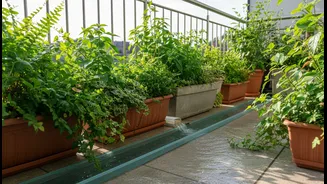
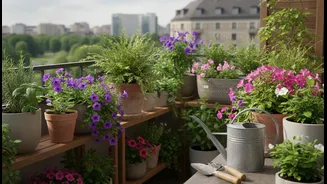
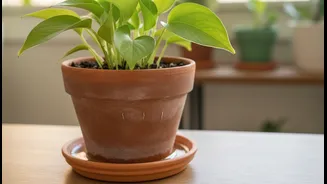
For your container garden, this is a quick and easy test. First, ensure every pot has at least one, and preferably multiple, drainage holes at the bottom. Then, water the plant thoroughly until water starts to run out. Good potting soil should drain within a minute or two. If water pools on the surface for a long time or drains very slowly, the soil is too dense or the holes are blocked. To fix this, you can gently poke holes into the soil with a chopstick or skewer to aerate it. For a more permanent solution, consider repotting with a mix that includes coarse materials like perlite or pine bark to improve porosity. Also, raising pots on bricks or 'pot feet' prevents the drainage holes from being blocked and improves airflow.
How to Check Your Garden Beds
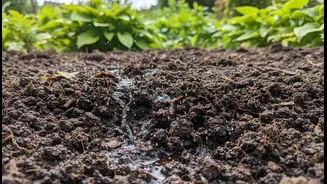
For plants in the ground, a 'percolation test' is the best way to assess drainage. Dig a hole about one foot deep and one foot wide. Fill it with water and let it drain completely to saturate the surrounding soil. Then, fill it again and measure how quickly the water level drops. Ideal drainage is about one to three inches per hour. If it drains slower than one inch per hour, the soil has poor drainage, likely due to high clay content or compaction. If it's much faster, the soil might be too sandy and won't retain enough moisture.
Simple Fixes for Waterlogged Soil
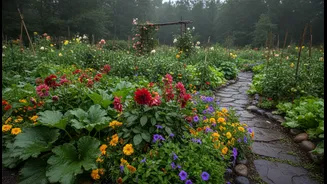
If your garden beds are struggling, the best long-term solution is to improve the soil structure. You can do this by incorporating organic matter like well-aged compost or manure. Spread a 2 to 4-inch layer on the surface and work it into the top 6 to 12 inches of soil. This helps break up heavy clay soil and improves the water-holding capacity of sandy soil. For severely waterlogged areas, creating raised beds can be a game-changer, as it lifts the plant roots above the soggy ground. Gently aerating compacted topsoil with a garden fork before the rains also helps water penetrate the ground rather than pooling on the surface.