



The Modern Vrat Kitchen
The foundation of Navratri fasting food remains rooted in sattvic principles, avoiding items like garlic, onions, regular salt, and common grains. Staples such as buckwheat flour (kuttu), water chestnut flour (singhara), and barnyard millet (samak rice)
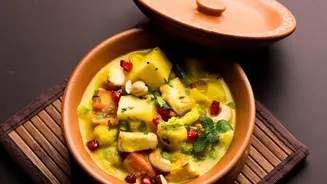
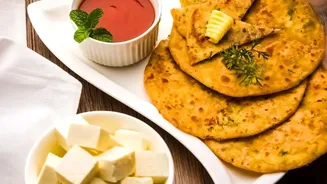
are essential. However, the modern home kitchen is witnessing a significant shift towards health and variety. The focus is moving away from purely fried foods towards lighter, more nutritious preparations. Home cooks are planning diverse menus for the nine days to avoid monotony, rotating different vrat-friendly grains and incorporating plenty of protein from sources like paneer, peanuts, and makhana (fox nuts) to stay energised. Simple recipes like roasted makhana, fruit chaats, and paneer-stuffed parathas made from kuttu or rajgira flour are becoming increasingly popular.
A Push for Healthier Choices
Health-consciousness is a major driver of this year's Navratri food trends. Many are consciously choosing to bake or air-fry dishes that were traditionally deep-fried, such as sabudana vadas and raw banana patties. There's also a creative push for incorporating more vegetables like pumpkin, bottle gourd, and sweet potato into main courses and snacks. Salads are getting a Navratri-friendly makeover, with roasted sweet potato salads and fruit-and-nut combinations offering refreshing and filling meal options. Chefs and home cooks are also creating innovative, no-cook recipes like lettuce wraps with a paneer and peanut filling, providing a protein-rich meal that is both sattvic and clean.
Restaurants Embrace Tradition with a Twist
The dining industry is fully embracing the festive spirit with specially curated Navratri menus. Restaurants are offering everything from elaborate thalis to à la carte dishes that adhere to fasting rules. These menus cater to a growing demand for convenient, yet authentic, festive food. While traditional thalis featuring kuttu puri, aloo sabzi, and samak rice khichdi remain a bestseller, many establishments are introducing innovative dishes. Fine-dining restaurants are elevating the experience with creative offerings like beetroot sago risotto and buckwheat tacos, blending global culinary techniques with traditional fasting ingredients. Even food delivery services and the IRCTC's eCatering platform are making it easier for people to access vrat-friendly meals, whether at home or while travelling.
The Rise of Fusion and Convenience
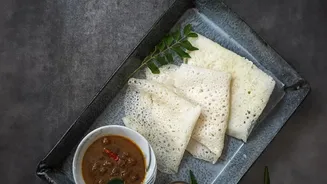
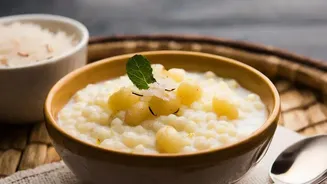
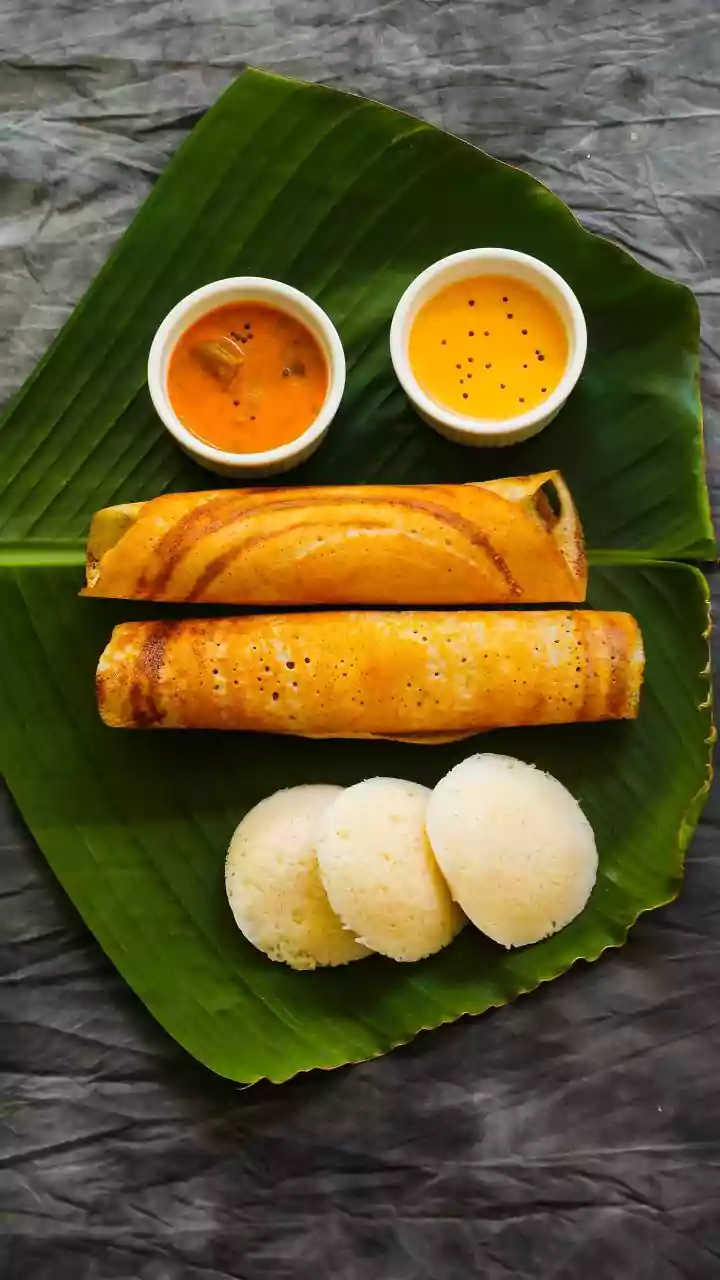
This Navratri, the lines between traditional and contemporary are beautifully blurring. The trend of fusion food is prominent, with restaurants offering dishes like paneer wraps made with singhara atta, gular kebabs, and even sabudana dosas. These creative interpretations make fasting feel less restrictive and more like a culinary exploration. For those cooking at home, the focus on planning is supported by better access to ingredients and ideas. Meal plans for the entire nine-day period are being shared widely, suggesting a rotation of dishes like samak rice pulao, sabudana vada, and paneer tikka to keep meals interesting. This combination of creative restaurant menus and organised home cooking ensures that the festive platter for Navratri 2026 is more diverse and exciting than ever before.