





The New Culinary Equation
Let’s be honest. For many of us, the most beloved Indian dishes are also the most indulgent. We associate the comfort of home-cooked meals and the celebration of festivals with generous amounts of ghee, oil, and cream. A truly great biryani or korma was
often judged by its richness. But across India’s urban kitchens and innovative restaurants, a new philosophy is taking hold: what if we could have the flavour without the heaviness? This isn't about dieting or bland 'health food'. It's a re-examination of traditional recipes through a modern lens, driven by a growing health consciousness and the availability of new kitchen technology. The goal is not to subtract, but to innovate, creating dishes that are kinder to our bodies but still speak to our souls.
Why the Shift Is Happening Now
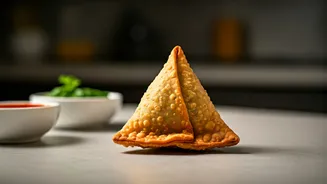
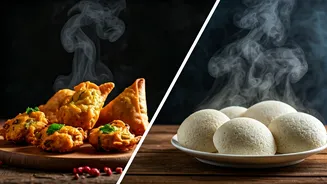
This culinary evolution is no accident. It’s a response to changing lifestyles. As more Indians adopt sedentary desk jobs, the heavy, calorie-dense diets that sustained our agricultural ancestors are becoming a liability. Concerns about lifestyle diseases have pushed people to seek healthier alternatives. Simultaneously, global food trends emphasizing fresh, local, and minimally processed ingredients have found a receptive audience in India. This is amplified by a new generation of chefs and food influencers who are trained in international techniques but possess a deep respect for their culinary roots. They are asking a simple question: Can a samosa be baked or air-fried and still be a samosa? The answer, increasingly, is a resounding yes. It turns out the crispy, savoury joy was never just about the deep-frying; it was about the spiced potato filling and the flaky pastry.
Technique Over Tradition?
The fear, of course, is that in stripping away the fat and calories, we also strip away the 'soul' of the dish. Is a dal makhani made with yogurt instead of cream still a dal makhani? This is where the genius of modern Indian cooking lies. The new approach argues that the soul of Indian food doesn't reside in the quantity of ghee, but in the complexity of its spices and the mastery of its techniques. Flavour is built through 'bhuno'-ing onions to the perfect stage of caramelisation, blooming spices to release their essential oils, and achieving the delicate balance of sour, sweet, spicy, and salty. Chefs are using techniques like slow cooking, grilling, and steaming to concentrate flavours without adding fat. Millets are replacing polished rice in biryanis, not just for health, but for their unique nutty texture. Jackfruit is being used to mimic the texture of meat in robust curries. It’s about being smarter with ingredients, not sacrificing them.
The Soul Is in the Spice Box
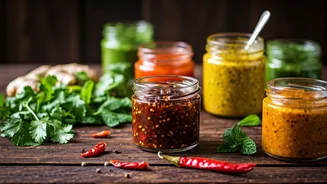
Think of it this way: the true magic of a Rogan Josh is not the layer of oil on top, but the intricate dance of Kashmiri red chilli, fennel, and ginger. The heart of a chhole is the robust flavour of the chickpeas infused with anardana (pomegranate seed powder) and amchur (dried mango powder), not just the oil it’s cooked in. Modern cooks are doubling down on this principle. They are creating lighter, more digestible food that, paradoxically, can sometimes have even cleaner, more pronounced flavours. When a dish isn’t weighed down by excessive fat, the subtle notes of a single spice or a fresh herb can shine through more clearly. The 'soul' is preserved because the core flavour profile—the spice blueprint that makes a dish uniquely itself—remains intact and celebrated.