








The Blooms of Devotion
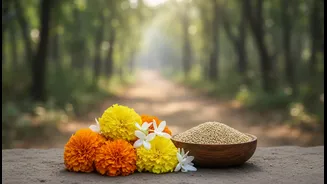
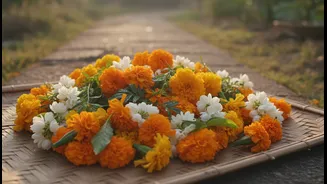
The month of Shravan, or Sawan, is deeply connected with the worship of Lord Shiva, and flowers are a cornerstone of this devotion. According to tradition, certain flowers are particularly dear to Lord Shiva and are offered to seek his blessings. These
include the white flowers of Datura (thorn apple) and Aak or Madar (crown flower), which are believed to have special significance. Other favoured offerings are the fragrant Jasmine (Mogra or Chameli), which is said to bring peace and spiritual growth, and the beautiful blue lotus. While Lord Shiva is pleased with simple, natural offerings, using fresh, vibrant flowers is considered a sign of pure devotion. Each flower carries its own symbolism, from the purity of the lotus to the prosperity associated with Akanda flowers.
Plan Your Puja Flower Budget
Festival seasons in India almost always lead to a sharp increase in flower prices. During Sawan, the demand for puja-specific flowers skyrockets, and vendors at local mandis often double or even triple the prices. To avoid financial stress, it is wise to plan ahead. Start by creating a simple budget for your weekly or daily flower needs for the entire month. Consider which flowers are essential for your daily puja and which ones you might reserve for the special Sawan Somvar (Mondays). You can also explore buying from direct farm suppliers or wholesale markets if you plan to purchase in larger quantities, as this can offer more stable pricing compared to last-minute retail buys. Some families team up with neighbours to buy in bulk, splitting the cost and ensuring a steady supply for everyone.
How to Spot the Freshest Flowers
Selecting the freshest possible flowers is the first step to making them last. When at the market, don't just grab the first bunch you see. Take a moment to inspect the blooms. Look for flowers with firm petals and sturdy, green stems. Avoid any bunches with yellowing or slimy leaves, as this is a sign that they are old. It's often better to choose flowers with a mix of fully opened blooms and tight buds. The buds will open over the next couple of days, giving you a longer-lasting arrangement. Gently touch the base of the flower head; it should feel firm, not soft or mushy. Also, check the water in the vendor's bucket. If it's dirty or smelly, it’s a sign the flowers have been sitting for a while and might not be the freshest choice.
Smart Buying Strategies
Timing and location matter when it comes to buying flowers. Prices are often highest in the morning when demand is at its peak. If your schedule allows, consider visiting the market in the early afternoon when crowds are smaller and vendors may be more willing to offer a better price. Building a good relationship with a local florist can also be beneficial. A regular vendor might save the freshest stock for you or give you a heads-up on new arrivals. Avoid buying pre-made mixed bouquets from general stores if possible, as they often contain less fresh flowers padded with filler greens. Instead, buy single varieties from a dedicated flower seller to ensure better quality.
Keeping Your Offerings Divine for Longer
Once you bring your beautiful flowers home, a few simple tricks can help them stay fresh. First, never store them in plastic bags, which trap heat and moisture, causing them to decay quickly. A damp cotton cloth or a traditional banana leaf wrap is a much better alternative for delicate flowers like jasmine. For flowers with stems, trim about an inch from the bottom at an angle before placing them in water. This helps them absorb water more effectively. Remove any leaves that would sit below the waterline to prevent bacterial growth. Keep the flowers in a cool part of your home, away from direct sunlight and the heat of incense or diyas. Changing the water daily and giving the stems a light mist can also significantly extend their life.