






The Old School ‘Detox’
For years, the go-to solution for post-indulgence guilt or burnout was a ‘detox’ retreat. These trips were often marketed with a clinical-sounding edge, promising to purge toxins through extreme measures. Think week-long fasts of nothing but cayenne-laced
lemon water, rigorous daily colonics, and militant exercise schedules. The philosophy was rooted in restriction and punishment; a belief that wellness had to be earned through suffering. The goal was rapid, often temporary, weight loss and a feeling of virtuous purity, even if the science behind 'toxin removal' was shaky at best. These retreats positioned self-care as a bootcamp, a trial to be endured rather than an experience to be enjoyed.
The Rise of Restorative Retreats
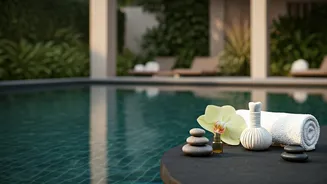
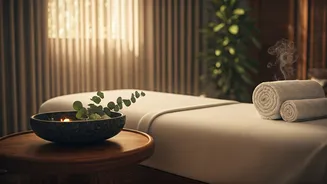
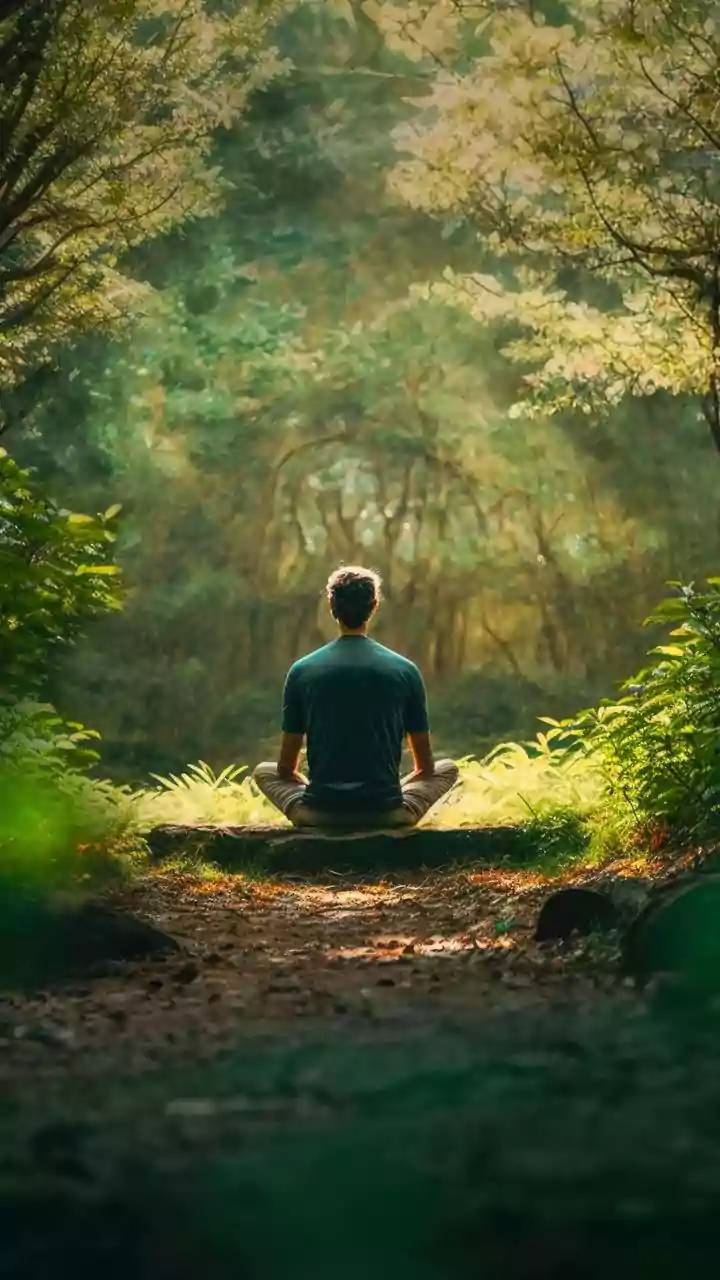
Today, a new wellness philosophy is taking hold, and it looks a lot more like a luxurious spa break. Instead of deprivation, the focus is on nourishment. Instead of gruelling workouts, there’s restorative yoga and mindful nature walks. The modern wellness retreat isn’t about what you can eliminate, but what you can add to your life: sleep, peace, joy, and delicious, healthy food. Properties across India, from the Himalayas to the backwaters of Kerala, are leading this charge. They are transforming from mere hotels with spas into holistic wellness destinations that offer integrated programmes combining ancient wisdom like Ayurveda with modern therapies.
Why the Shift from Punishment to Pleasure?
This evolution is a direct response to a collective burnout. We’ve realised that adding more stress—even in the name of health—is counterproductive. The modern wellness seeker is better informed and more sceptical of quick fixes. They understand that true health isn’t about a seven-day fast but about building sustainable, long-term habits. The pandemic accelerated this trend, highlighting the importance of mental health and genuine rest. People are no longer seeking to escape their bodies; they are seeking to reconnect with them in a kind and compassionate way. The new luxury is not austerity, but abundance—an abundance of time, peace, and self-compassion.
What a Modern Spa Break Offers
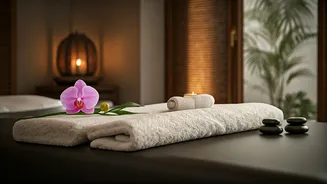
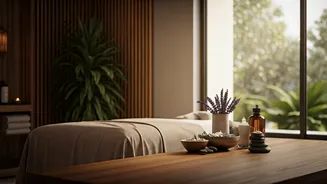
So, what does this new kind of retreat look like in practice? It’s far more than a simple massage and a dip in the pool. These programmes are highly personalised, often beginning with consultations with wellness experts, nutritionists, or Ayurvedic doctors. The itinerary might include guided meditation, sound healing sessions, sleep therapy workshops, and cooking classes focused on wholesome ingredients. The physical treatments are designed for relaxation and rejuvenation—think Shirodhara, aromatherapy massages, and thermal bathing circuits. The emphasis is on slowing down and listening to your body's needs. It’s a holistic approach that addresses the mind, body, and spirit, recognising that they are deeply interconnected.
A Sustainable Approach to Wellbeing
Experts in the travel and wellness industries confirm this is not a fleeting trend but a fundamental reshaping of the market. High-end travellers are increasingly requesting experiences that offer tangible, lasting benefits for their mental and physical health. They want to return from a trip not just rested, but equipped with new tools and knowledge to handle the stresses of daily life. The goal has shifted from a temporary ‘detox’ to a permanent upgrade in one’s personal operating system. The new wellness holiday is an investment in long-term health, not a frantic attempt to undo short-term damage.