


As the monsoon recedes, it often leaves behind a common problem: increased hair fall. The shift in humidity and environmental stressors can weaken hair, but the solution might be on your plate. Here are the essential diet tweaks to make.
Understanding Post-Monsoon Hair Fall
The end of the
monsoon is a tricky time for hair. The high humidity during the rainy season causes hair shafts to absorb moisture and swell, weakening the roots. This can lead to increased breakage and shedding. The warm, damp environment is also a breeding ground for fungal issues like dandruff, which can clog follicles and worsen hair fall. As the weather transitions, your body needs the right nutritional support to repair the damage and encourage new, healthy growth. A balanced diet becomes your first line of defence.
Prioritise Protein, The Building Block
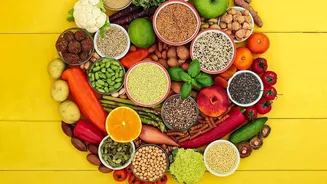
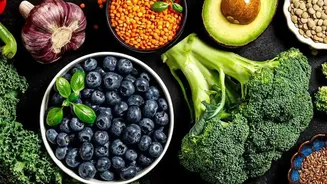
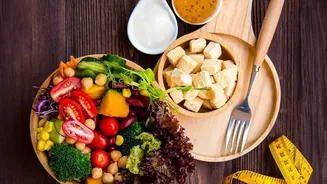
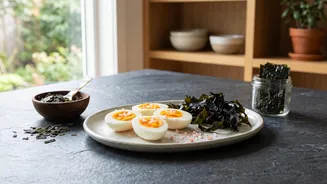
Hair is primarily made of a protein called keratin. Without enough protein in your diet, your body cannot efficiently build strong hair strands, leading to weakness and thinning. Post-monsoon, it's crucial to ensure you're consuming adequate high-quality protein. For vegetarians, dals (lentils), paneer (cottage cheese), chickpeas, and yoghurt are excellent sources. Non-vegetarians can include eggs, chicken, and fatty fish. Eggs, in particular, are a powerhouse, providing both protein and biotin, another key nutrient for hair health.
Boost Your Iron Intake
Iron deficiency is one of the most common nutritional causes of hair loss, particularly among Indian women. Iron is essential for producing haemoglobin, which carries oxygen to your cells, including the hair follicles that stimulate growth. Low iron levels can starve the follicles, pushing them into a premature shedding phase. To combat this, load up on iron-rich foods like spinach, beetroot, lentils (dal), and dates. Combining these foods with a source of Vitamin C can significantly boost iron absorption.
Embrace Vitamin C for Absorption and Collagen
Vitamin C does two critical jobs for your hair. First, it is essential for absorbing plant-based (non-heme) iron, making your intake of spinach and lentils more effective. Second, it plays a vital role in producing collagen, a protein that strengthens the area around the hair follicles, providing structural support. Excellent Indian sources of Vitamin C include amla (Indian gooseberry), lemons, guavas, and citrus fruits. A simple glass of amla or lemon juice can make a big difference.
Incorporate Healthy Fats and Omega-3s
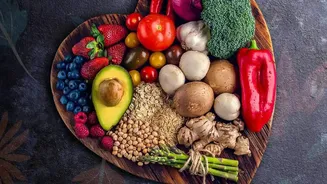
Healthy fats are crucial for maintaining a nourished scalp and adding lustre to your hair. Omega-3 fatty acids, in particular, help reduce inflammation, which can contribute to hair shedding. They lubricate the scalp and hair follicles from within. Good sources include fatty fish like salmon, and for vegetarians, walnuts, flaxseeds (alsi), and chia seeds are fantastic options. A handful of soaked walnuts and almonds can provide a mix of Omega_3s and Vitamin E, another antioxidant that protects hair follicles.
Don't Forget Biotin and Zinc
Biotin (Vitamin B7) is famous for its role in hair health, as it helps strengthen the keratin infrastructure. While severe deficiency is rare, ensuring a steady supply can support hair quality. Zinc is equally important for hair tissue growth and repair. Foods rich in these nutrients often overlap. Nuts like almonds and walnuts, seeds like sunflower and pumpkin seeds, whole grains, eggs, and legumes are all excellent sources of both biotin and zinc.