







That familiar ping from a food delivery app is tempting. It promises instant gratification after a long day. But what if those frequent orders are quietly eating into a bigger dream, like a vacation? Here's how to make a change without the struggle.
First, Understand Your Spending
Before
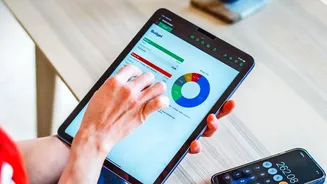
you can change a habit, you need to see it clearly. Many people underestimate how much they spend on food delivery. One person was surprised to find they were spending ₹18,000 a month, not the ₹8,000 they had estimated. The first step is to track your orders for one month. Use a budgeting app popular in India like INDmoney, FinArt, or Money Manager to automatically categorise your expenses from SMS alerts and UPI transactions. This isn't about feeling guilty; it's about gathering data. Note the days and times you order most. Is it a stressful workday? A lazy weekend? Identifying these triggers is key to finding alternatives.
Embrace 'Good Enough' Home Cooking
The goal isn't to become a gourmet chef overnight. It's to make home-cooked meals more convenient than ordering in. Meal prepping can feel daunting, so start small. Instead of planning for a full week, just prep for the next three days. On a Sunday, you can simply boil some dal, chop vegetables for a sabzi, or make a versatile ginger-garlic paste. Having these components ready cuts down daily cooking time significantly. There are many simple Indian recipes like Chana Masala, Aloo Matar, or Vegetable Pulao that can be made in under 30 minutes with basic masalas. The aim is to have an answer to 'What's for dinner?' that takes less effort than scrolling through an app.
Hack Your Cravings
Food delivery apps are masters of psychology. They use enticing photos, limited-time offers, and notifications to create a sense of urgency and anticipation. You can fight back with a simple rule: the five-minute pause. When the urge to order strikes, wait just five minutes before opening the app. Use this time to drink a glass of water and ask yourself: 'Am I truly hungry, or am I bored, stressed, or tired?' This brief pause can often break the impulse cycle. The craving is often for the thrill of the order itself, a dopamine hit that comes from anticipation. By recognising this, you can separate the emotional trigger from the need for food.
Make Saving Visible and Fun
Cutting an expense feels like a loss. To make it feel like a win, you need to see the reward. Create a separate savings account or use a goal-based feature in your banking app specifically for your 'Vacation Fund'. Every time you successfully skip a food order, transfer the amount you would have spent—say, ₹400 or ₹500—into this fund immediately. Watching this fund grow provides a powerful, motivating visual. You can even create a vision board with pictures of your dream destination and keep it somewhere you'll see it daily. This transforms the act of not ordering from a sacrifice into a direct contribution towards your travel goal.
Order Smarter, Not Never
This isn't about completely eliminating the convenience of food delivery. It's about being strategic. If you must order, try to consolidate. Instead of multiple small orders that incur small-cart fees, place one larger order that can cover two meals. Ordering during off-peak hours can sometimes result in lower delivery fees. It’s also often cheaper to order directly from a restaurant's own website or phone number, as third-party apps pass their commission costs onto you through higher menu prices and extra fees. For days when you're just too tired, consider having a few ready-to-eat meals or frozen options stocked in your kitchen as a faster, cheaper alternative to delivery.