




Why Panic is the Wrong Strategy
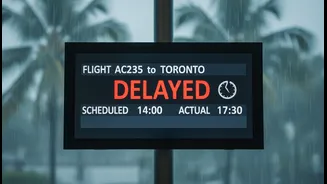
When a flight is delayed due to weather, the situation is fluid for everyone, including the airline. A sudden downpour can halt ground operations, reduce visibility, and create a backlog of flights waiting to take off and land. In this initial chaos,
hitting 'rebook' on another flight might feel proactive, but it’s often a gamble. You could end up paying a premium for a new ticket on a flight that may also get delayed or cancelled, forfeiting your booking on the original flight which might eventually depart. The first 30-60 minutes of a delay announcement are the worst time to make a major decision. The airline's ground staff have the least amount of information, and the system is in flux. Your best currency in this moment isn't a credit card, but patience.
The Power of a Timeline
Instead of joining the frantic queue at the rebooking counter, shift your focus to gathering intelligence. Your single most important question for airline staff is not “Can you book me on the next flight?” but rather, “What is the expected timeline for a decision?” or “When will you have your next update?” This reframes your request from demanding an impossible immediate solution to seeking clarity. An airline needs to coordinate with air traffic control, assess weather forecasts, and manage its crew and aircraft availability. This takes time. By asking for a timeline, you empower yourself to make a strategic choice. If the staff says they will have an update in one hour, you can use that hour productively instead of waiting in a pointless queue.
Know Your Rights (Even in Bad Weather)
While airlines are generally exempt from paying financial compensation for delays caused by 'force majeure' events like bad weather, they are not exempt from their duty of care. According to Directorate General of Civil Aviation (DGCA) regulations, if your flight delay exceeds certain thresholds, you are entitled to assistance. For delays of two hours or more, airlines must provide free meals and refreshments. For longer, overnight delays, they are required to provide hotel accommodation and transport. Crucially, if a flight is eventually cancelled, the airline must offer you a choice between a full refund or a seat on an alternative flight. Knowing these rights prevents you from being fobbed off. Politely but firmly enquiring about meal vouchers or other provisions is a valid and necessary step.
When Rebooking Actually Makes Sense
The goal isn't to never rebook, but to rebook smartly. Panic rebooking happens in an information vacuum. Strategic rebooking happens once you have a timeline. If the airline announces a cancellation or a delay of more than six hours, your right to a full refund or an alternative flight kicks in. This is your decision point. Armed with this official status, you can assess your options. Is the refund sufficient to book a new flight on a different carrier that is actually scheduled to depart? Have you checked the weather forecast and the status of other flights? If the entire airport is socked in, with hundreds of flights affected, jumping to another airline may not help. However, if your delay is specific to one airline's operational issue compounded by weather, then rebooking might be the right call.
The Calm Traveller's Toolkit
While you wait for a clear timeline, put your energy to good use. Find a charging station and power up your phone and power bank. Download a movie or a few podcast episodes. Use the airport's Wi-Fi to send updates to family or work, managing expectations. Find a quieter corner away from the main gate area to reduce sensory overload. And most importantly, stay hydrated. A calm, informed, and prepared passenger is in a much better position to navigate a disruption than one running on anxiety and incomplete information. By focusing on a timeline first, you take back a measure of control in a situation that feels utterly uncontrollable.