




The New Climate Conundrum
Gone are the days of clearly defined seasons. Climate change has blurred the lines, giving us hotter summers, delayed monsoons, and unpredictable temperature drops. This new reality has made traditional, season-specific wardrobes impractical. The heavy
woollens feel useless for milder winters, and summer clothes don't always stand up to a sudden downpour. This daily style challenge has pushed both designers and consumers to rethink not just what we wear, but how we build our closets from the ground up.
What is Transitional Dressing?
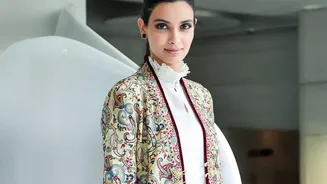
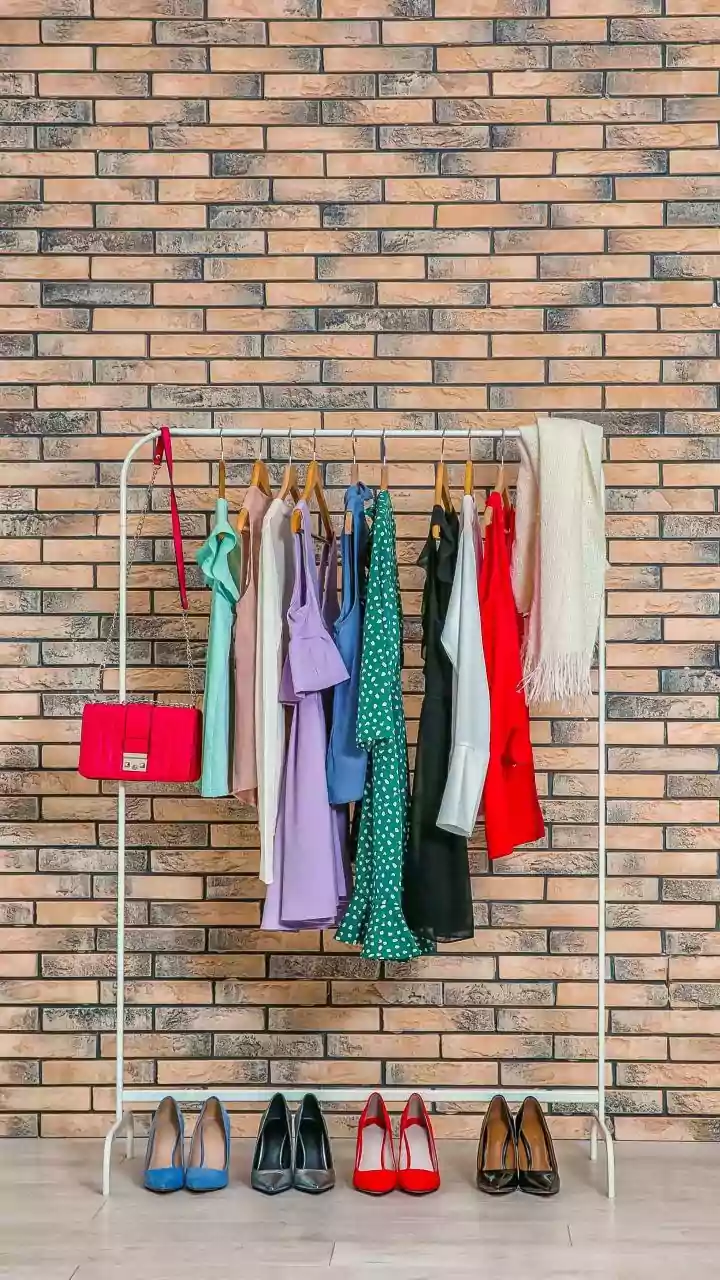
Enter 'transitional dressing'. The term describes a wardrobe built with versatile pieces that work across multiple seasons, not just one. It's about owning clothing that can be layered, mixed, and matched to adapt to fluctuating temperatures. Think a lightweight jacket that can be thrown over a dress, a cotton shirt that works on a warm day but also layers under a knit, or trousers in a breathable fabric that feel comfortable in both dry heat and humidity. This approach moves away from the idea of a complete wardrobe overhaul every few months and towards a more sustainable, practical collection of timeless staples.
The Indian Designer Response
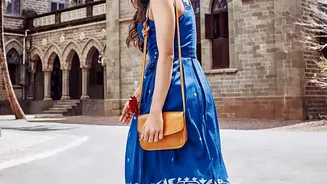
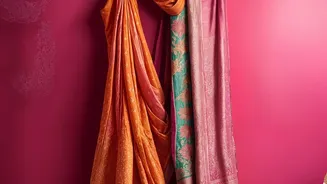
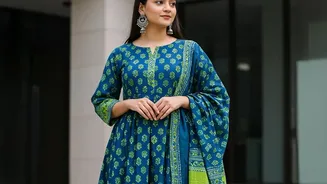
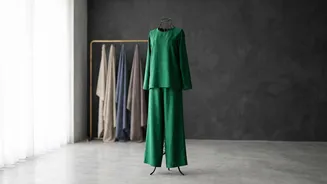
Indian designers are leading this charge by championing climate-conscious collections. Labels are increasingly focusing on breathable, natural fabrics like organic cotton, linen, and their blends, which are ideal for India's predominantly warm and humid conditions. Designers are creating modern silhouettes that are both stylish and practical; think A-line dresses, wide-leg trousers, and versatile co-ord sets that offer comfort without sacrificing style. Many are also reviving heritage fabrics like Khadi, Kota Doria, and Eri silk, which are naturally thermoregulating—meaning they keep you cool in the heat and comfortable when it's milder. This shift is also about creating season-agnostic clothing, with some brands focusing on year-round summer-friendly dressing rather than distinct seasonal collections.
Building Your All-Weather Wardrobe
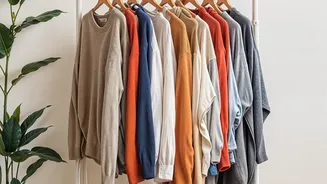
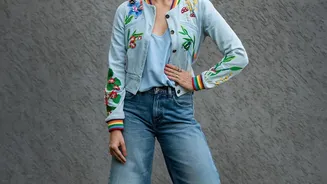
Adapting your own wardrobe for unpredictable weather doesn't require starting from scratch. It's about making smart additions. Start by prioritising fabrics. Breathable materials like cotton, linen, and Khadi should form the foundation of your closet. Next, invest in high-quality layering pieces. A lightweight bomber jacket, a classic denim jacket, shrugs, and scarves can instantly adapt an outfit to a change in temperature. Focus on versatile silhouettes that don't cling to the body, such as shirt dresses, culottes, and relaxed-fit trousers. When it comes to traditional wear, opt for shorter kurtas that can be paired with culottes or ankle-length pants to avoid issues during unexpected rain. Finally, choose colours wisely. While bright hues can combat gloomy days, a base of neutral tones ensures maximum mix-and-match potential.
A Mindful Shift in Consumption
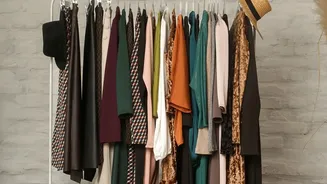
This trend is more than a reaction to the weather; it's part of a larger movement towards sustainable and mindful fashion. By building a transitional wardrobe, you naturally move away from the fast-fashion cycle of buying trendy, disposable items for every micro-season. Instead, the focus shifts to investing in fewer, high-quality, versatile pieces that will last for years. This 'buy less, buy better' philosophy not only saves you money and closet space but also reduces textile waste, a significant environmental concern. It encourages a more creative and personal approach to style, where you reimagine and restyle what you already own.