






The New Festive Philosophy
Across India, a quiet but powerful shift is taking place in how younger generations approach festive hosting. The focus is moving away from sheer opulence and towards more meaningful, mindful gatherings. This new philosophy champions the idea that a celebration's
success isn't measured by its extravagance, but by its warmth, authenticity, and connection to both culture and the environment. Young hosts are increasingly questioning the need for single-use plastics and imported goods, especially when traditional, sustainable alternatives are readily available. This isn't about sacrificing joy; it's about redefining it. They are discovering that a thoughtfully planned, eco-friendly feast can be even more memorable and special, reflecting a deeper set of values that prioritize community and planetary well-being. This trend is driven by a desire to celebrate responsibly, creating new traditions that are both beautiful and beneficial.
The Revival of the Banana Leaf
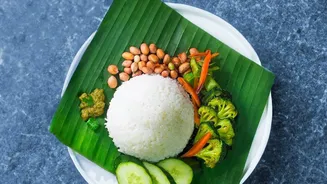
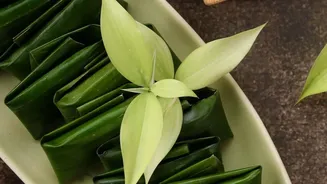
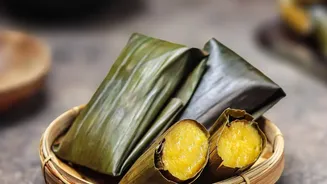
At the heart of this sustainable shift is the humble banana leaf. Long used in South Indian and other regional cuisines, it's making a major comeback on the urban dinner table. For young hosts, choosing banana leaves over disposable or even ceramic plates is a multi-layered decision. Firstly, it's a powerful environmental statement. Banana leaves are completely biodegradable and compostable, offering a zero-waste alternative to plastic and paper plates that clog landfills. Secondly, there are unique culinary benefits. When hot food is served on a banana leaf, its natural wax coating melts slightly, releasing polyphenols—the same antioxidants found in green tea—and imparting a subtle, earthy aroma that enhances the food's flavour. Finally, it's a nod to cultural heritage, a way of connecting with age-old practices in a modern context. It serves as a conversation starter, turning the meal itself into an experience that is both rustic and remarkably chic.
A Return to Local and Seasonal
Alongside the choice of serving ware is a growing emphasis on the ingredients themselves. The farm-to-table concept is being passionately embraced, with a focus on sourcing local and seasonal produce. Young hosts are increasingly visiting local markets to buy vegetables and fruits that are in season, a practice rooted in traditional Indian food wisdom. The benefits are clear: seasonal produce is fresher, tastier, and more nutrient-dense. Opting for locally grown food also significantly reduces the carbon footprint associated with transporting ingredients over long distances. Furthermore, it supports local farmers and strengthens community economies. This conscious choice is about celebrating the flavours of the region and the season, leading to menus that are not only delicious but also deeply connected to the land.
Your Guide to a Greener Gathering
Planning a sustainable feast is easier than it sounds. It starts with mindful menu planning. Build your dishes around vegetables and fruits that are currently in season in your region. For decor, ditch the plastic and get creative with natural elements. Earthen diyas, fresh flower garlands, and rangoli made from rice flour and turmeric are beautiful, traditional, and eco-friendly. When it comes to serving, consider not just banana leaves but also other reusable options like areca leaf plates. Encourage guests to participate by setting up a clearly marked compost bin for food scraps and biodegradable plates. To minimize food waste, plan your portions carefully and have reusable containers ready for guests to take leftovers home. These small, intentional choices collectively make a huge impact.