






A Cinematic First for Indian Science
In a pioneering initiative for science communication in Asia, the Birbal Sahni Institute of Palaeosciences (BSIP) has announced 'Prithvi-2026', the first film festival in India dedicated entirely to palaeoscience. Scheduled to be held in Lucknow from
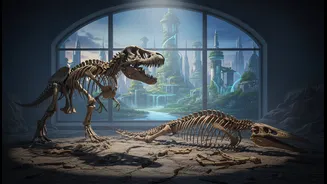
July 23-25, 2026, the event aims to bridge the gap between scientists and society. The motto, "Bringing Earth's Stories to Life, Inspiring a Sustainable Future," captures its core mission: to translate complex research on our planet's history, biodiversity, and climate into engaging visual narratives. By inviting filmmakers, students, and scientists to participate, the festival hopes to foster a new culture of science storytelling and make the deep past accessible to everyone.
Reading the Past in Fossils
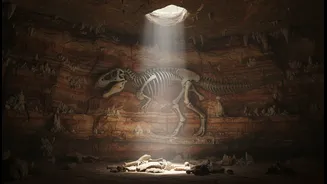
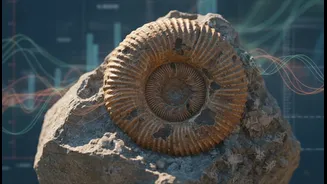
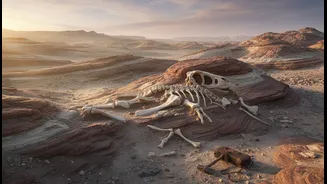
But how can a fossil, a remnant of ancient life, tell us about the weather millions of years ago? Palaeontologists use fossils as a direct window into prehistoric environments. For instance, the discovery of fossilized palm trees in regions that are now arctic tundra clearly indicates that those areas were once much warmer. Similarly, the chemical composition of microscopic shells from ancient marine organisms can tell scientists about the temperature and carbon dioxide levels of the oceans they lived in. Preserved pollen grains, studied in a field called palynology, allow researchers to reconstruct entire landscapes, revealing whether an area was a lush forest or an arid grassland, and how that changed over time. These fossil records are nature’s own climate archives, providing invaluable data on how Earth's systems have responded to changes in the past.
The Power of Visual Storytelling
While scientific papers are essential for researchers, they don't always capture the public's imagination. This is where film comes in. Documentaries and animations can make abstract concepts tangible. Instead of just reading about an ice age, an audience can see a glacier advance across a continent. Instead of looking at data points on a graph, they can watch an animated sequence showing how CO2 levels have fluctuated. This visual and narrative approach is incredibly effective for communicating science because it connects with viewers on an emotional level. Studies have shown that creative documentaries can increase public interest in science and make the scientific process itself feel more human and relatable. A film can transform a fossil from a static museum piece into a key character in the epic story of life on Earth.
India's Unique Prehistoric Legacy
For India, this connection is particularly relevant. The Indian subcontinent has a rich and unique geological history, having travelled from near the South Pole to its current position, colliding with Asia to form the Himalayas. This epic journey has left behind a trove of fossils that hold clues to major climatic shifts. Researchers, including those at the festival's host institute BSIP, are actively using these records to understand the history of the Indian monsoon and how past climate changes influenced vegetation and even the rise and fall of ancient dynasties. However, the field of palaeontology in India faces challenges, including a decline in specialists at some universities. Initiatives like the Prithvi film festival are therefore crucial not just for public education, but also for inspiring a new generation to take up the study of our planet's past.
Ancient History, Modern Lessons
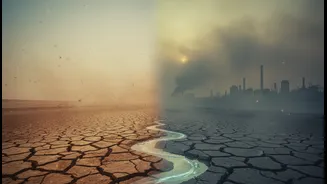
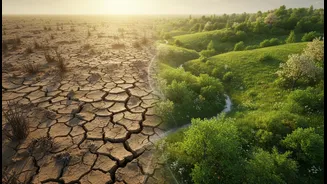
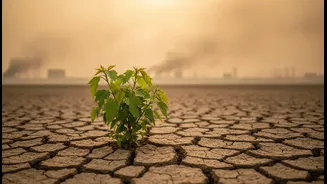
The ultimate goal of connecting fossils to climate is to better understand our present and future. By studying past periods of global warming or mass extinction events, scientists can refine the models they use to predict the consequences of today's human-caused climate change. Palaeoclimatology reveals that Earth's climate is a sensitive system and that past changes, even when 'natural,' had profound impacts on life. The records preserved in rock and ice show us what happens when greenhouse gas levels rise or when biodiversity collapses. By bringing these stories to life, a film festival does more than just entertain or inform; it equips its audience with a deeper understanding of our planet's history and the context needed to navigate the environmental challenges of the 21st century.