

Why the Monsoon Increases Food Safety Risks
The arrival of the monsoon brings relief from summer heat, but it also creates the perfect storm for foodborne illnesses. The combination of high humidity and ambient temperatures provides an ideal breeding ground for bacteria like E. coli, Salmonella,
and other pathogens. These microorganisms thrive in damp conditions, causing food to spoil much faster. Water sources can become contaminated with sewage and pollutants, which may be used to irrigate or wash vegetables, increasing the risk of infection. Leafy greens and vegetables with complex surfaces, like cauliflower, are especially tricky as they can harbour dirt and germs that are hard to wash away.
Rule 1: Start with Clean Water
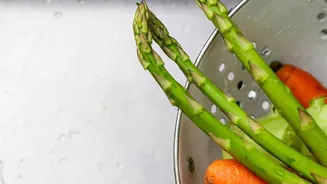
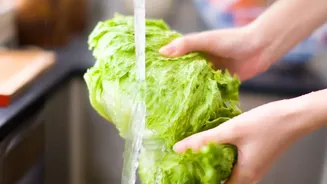
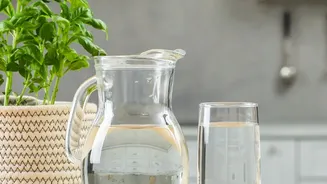
The most critical step to making salads safe is the water you use for washing. Tap water can be a source of contamination during the monsoon. To be safe, always use filtered or purified water for washing vegetables, especially those you plan to eat raw. If you don't have a water purifier, boiling water and allowing it to cool completely is an effective alternative. When washing, don't just give your produce a quick rinse. For leafy greens, submerge them in a bowl of clean water, swish them around to loosen grit, and repeat the process if necessary. Soaking vegetables in a solution of salt water or vinegar for 15-20 minutes can also help dislodge germs before a final rinse with clean water.
Rule 2: Master Kitchen and Hand Hygiene
Your hygiene practices in the kitchen are just as important as washing the vegetables themselves. Always wash your hands thoroughly with soap and water before and after handling produce. Use clean cutting boards and knives, and ideally, keep separate boards for vegetables and raw meat to prevent cross-contamination. Ensure your kitchen counters are clean and dry. Flies and other insects are more common during the monsoon and can transfer bacteria to food, so keep ingredients covered and don't leave prepared salads sitting out in the open.
Rule 3: Choose and Store Produce Wisely
Food safety begins at the market. Select vegetables that are fresh, crisp, and free from bruises or signs of rot. Avoid leafy greens that are already wilted. During the monsoon, vegetables with dense florets like broccoli and cauliflower can trap moisture and pests, so inspect them carefully. Once home, proper storage is crucial. High humidity accelerates spoilage. Make sure to dry your vegetables completely after washing them. A salad spinner is excellent for this, or you can pat them dry with a clean cloth or paper towels. Store them in airtight containers or perforated bags in the refrigerator to maintain freshness and keep harmful bacteria at bay.
Smart Alternatives and Extra Precautions
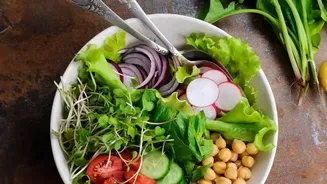
If you're still wary of raw salads, there are plenty of safer alternatives. Consider making salads with steamed or lightly blanched vegetables. This process helps kill off surface bacteria without turning your salad into a fully cooked dish. Salads made from ingredients like roasted sweet potato, chickpeas, or grilled paneer are also excellent and safer choices. When preparing dressings, using acidic ingredients like lemon juice or vinegar not only adds flavour but can also help inhibit bacterial growth. And as a general rule, it's always safest to prepare salads just before you plan to eat them.