








A Fundamental Shift in Travel Values
For decades, the hotel was the hero of the holiday. A prestigious address, a sprawling pool, and a lavish room were the primary markers of a successful getaway. Today, that script is being flipped. An experience-first mindset is redefining travel across
Asia, where what you do is becoming far more important than where you sleep. This isn't just about adding a walking tour to a city break; it's a fundamental change in trip motivation. Research shows that travelers are increasingly choosing destinations based on the activities available, from cultural immersion and outdoor adventures to culinary discoveries. A recent Klook survey found travelers are now more willing to spend on activities, even cutting back on shopping to fund richer experiences. The new currency of travel is memory and personal growth, and an increasing number of people believe that comes from doing things, not just owning them.
The Gen Z and Millennial Effect
Driving this transformation are younger travelers, particularly Millennials and Gen Z. Having grown up in a digital world, they are less focused on accumulating possessions and more interested in collecting experiences that offer good stories and shareable moments. Studies from travel platforms like Agoda and Klook highlight that these digital natives are the engine of experience-led travel in the Asia-Pacific region. They favor shorter, more frequent trips packed with activities, and are 50% more likely to increase their travel spending compared to their Western counterparts. This demographic seeks authenticity, with surveys showing that the opportunity to have local experiences (42%) and discover hidden gems (39%) are key motivators.
Technology as the Great Enabler
This boom in activity-focused travel would not be possible without technology. Mobile-first booking platforms like Klook, Agoda, and GetYourGuide have revolutionized access to in-destination activities. Where travelers once had to rely on hotel concierges or street-side tour operators, they can now discover, compare, and book thousands of experiences—from a cooking class in Hanoi to a guided hike in South Korea—with a few taps on their phone. The Asia-Pacific region now commands the largest share of the global tours and activities booking market, driven by high smartphone penetration and a young, digitally-savvy population. These platforms don't just facilitate bookings; they inspire travel, with a significant number of users deciding on activities even before choosing their destination.
What 'Experience' Really Means
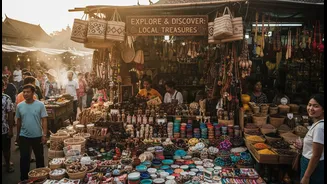
The experiences being sought are diverse and go far beyond typical sightseeing. Travelers are looking for deep cultural connections and personal enrichment. This includes food-based activities like market tours and cooking classes, wellness retreats focused on mental and physical well-being, and hands-on craft workshops with local artisans. Outdoor adventures, from exploring national parks to kayaking through serene waters, are also a major draw. The trend also extends to exploring secondary cities and lesser-known locales to escape crowds and find more authentic encounters. A Klook report noted that 77% of travelers took a side trip to a lesser-known destination on their last holiday, with a third saying it became the highlight of their trip.
How the Hotel Industry Is Adapting
So, where does this leave the traditional hotel? While the focus has shifted, hotels are not becoming obsolete. Instead, the smartest players are adapting to the new landscape. Many are no longer just selling a room, but are positioning themselves as gateways to local culture. This can mean integrating experiences into their offerings, such as hosting workshops, offering curated neighborhood tours, or partnering with local activity providers. Some hotels have found that having a strong localisation strategy leads to better performance and guests who are willing to pay more. The understanding is clear: in an era of experience-led travel, the best hotels help guests connect with the destination outside their walls, not just remain comfortably inside them.