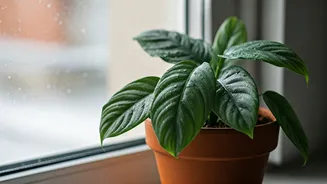




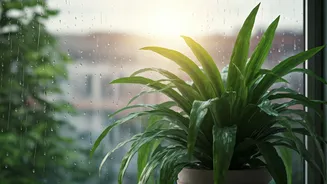

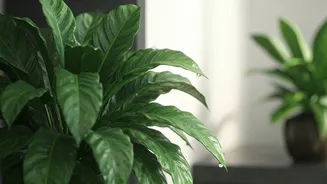


Rethink Your Watering Schedule
The single most important adjustment to make during periods of high humidity is how you water your plants. When the air is saturated with moisture, the process of transpiration—how plants release water vapor from their leaves—slows down dramatically.
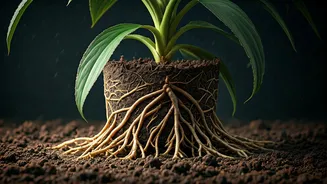
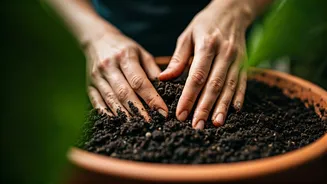
This means they don't lose water as quickly and, therefore, don't need to be watered as often. Continuing to water on a dry-weather schedule is the fastest path to root rot, a deadly condition where roots suffocate and decay in waterlogged soil. Always check the soil before watering; stick your finger an inch or two into the pot. If it feels moist, wait another day or two before checking again. It's far better to err on the side of caution and underwater slightly than to risk drowning your plants.
Increase Air Circulation
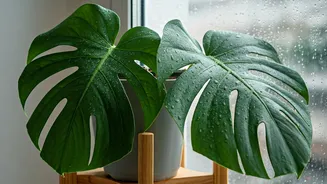
Stagnant, humid air is a breeding ground for fungal diseases like powdery mildew, downy mildew, and gray mold. These diseases can quickly spread, leaving unsightly spots on leaves or causing entire sections of the plant to rot. To combat this, focus on improving air circulation around your plants. If possible, open a window to let in a breeze or use a small fan to gently move the air in the room. Avoid crowding your plants too closely together; giving them adequate space allows air to flow between them, which helps keep their foliage dry and less susceptible to infection. This simple step can significantly reduce the risk of your green friends falling victim to common monsoon-season ailments.
Watch for Unwanted Pests
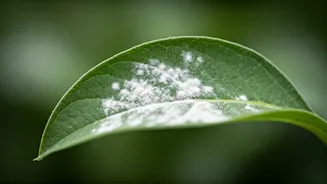
High humidity doesn't just encourage fungus; it also creates a perfect environment for common houseplant pests. Fungus gnats, for example, thrive in consistently moist soil, while mealybugs and aphids are also more prevalent in damp conditions. Regularly inspect your plants for any signs of infestation. Check the undersides of leaves, the joints where leaves meet stems, and the surface of the soil. If you spot pests, act quickly. Natural remedies like neem oil spray can be effective against a wide range of common insects and also has antifungal properties, making it an excellent preventative tool during the monsoon. Keeping the top layer of soil drier and ensuring good airflow can also make your plants less attractive to these unwelcome guests.
Adjust Light and Location
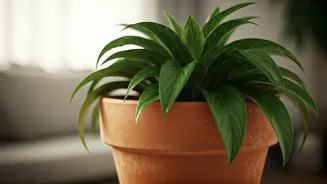
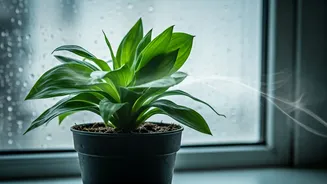
While humidity is high, pay attention to where your plants are placed. A spot that was perfect in the dry season might become problematic. A corner with low airflow could become a hotspot for mold. While many tropical plants enjoy the extra moisture in the air, they still need adequate light for photosynthesis. Overcast monsoon days can significantly reduce light levels, so you may need to move some plants closer to a window to ensure they get the energy they need. However, be mindful not to place them in a location where they will remain damp for extended periods. The goal is a balance of bright, indirect light and good ventilation.
Hold Back on Fertiliser
Many plants slow their growth during the darker, cloudier days of the monsoon, even if they are enjoying the high humidity. Because they aren't actively pushing out as much new growth, their need for nutrients decreases. Fertilising plants when they aren't in an active growth phase can lead to a buildup of mineral salts in the soil, which can burn the roots and cause further stress. For most houseplants, it’s best to reduce or pause your fertilising schedule when you notice growth slowing. You can resume your regular routine when the days get brighter and you see your plants begin to grow more vigorously again.