





Another Election, Another Deadlock
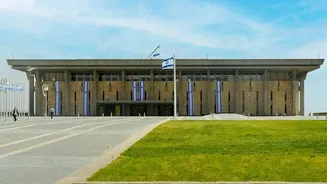
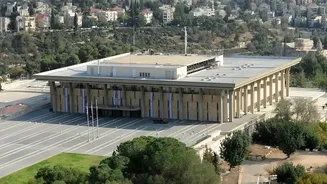
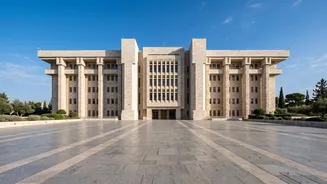
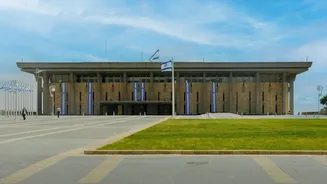
Following the latest national elections on October 27, Israel finds itself in a familiar state of political uncertainty. Neither the right-wing bloc led by incumbent Prime Minister Benjamin Netanyahu nor the diverse opposition bloc managed to secure the 61
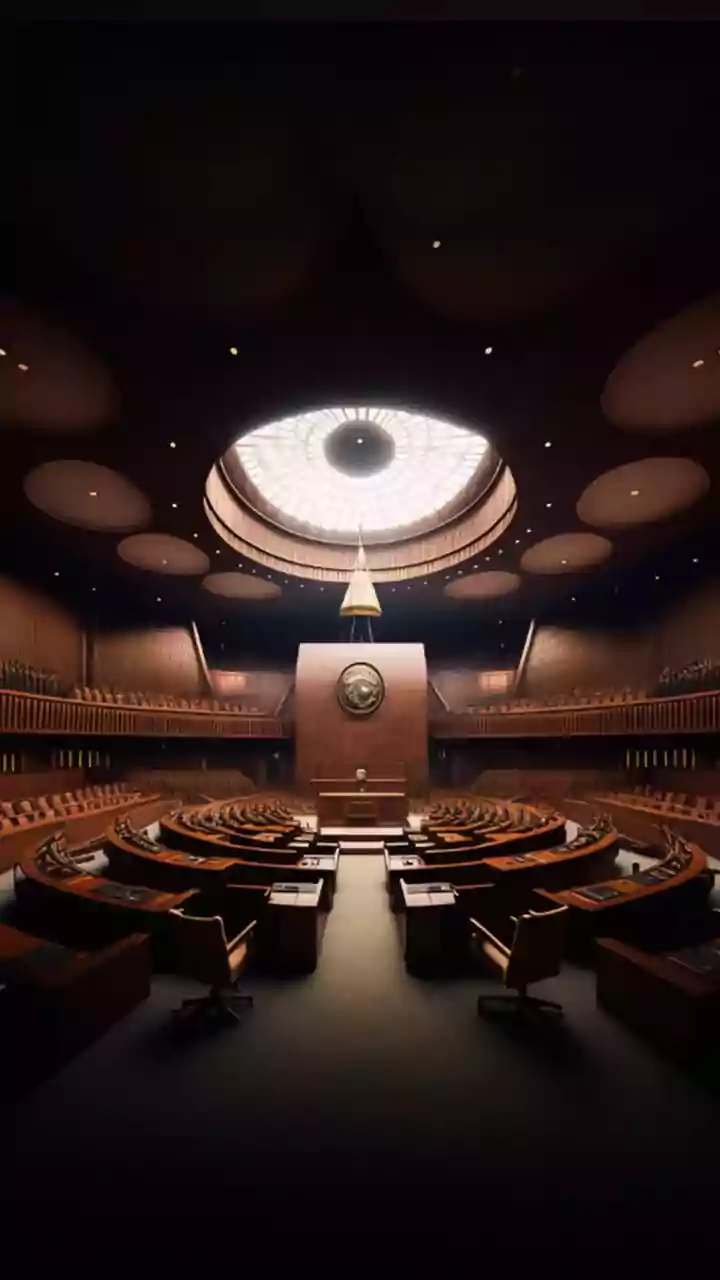
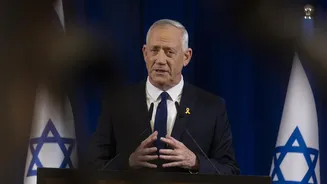
seats needed for a majority in the 120-seat parliament, known as the Knesset. Netanyahu's bloc emerged with 53 seats, while a collection of opposition parties holds the balance of power, creating a complex negotiation landscape where no single path to a stable government is clear. This has kicked off a frantic period of coalition talks, with President Isaac Herzog handing the initial mandate to form a government to opposition leader Gadi Eisenkot, whose bloc received more recommendations from elected parties.
Netanyahu: The Caretaker Premier
Despite his bloc not winning a majority, Benjamin Netanyahu, Israel's longest-serving prime minister, remains in office in a 'caretaker' or 'transitional' capacity. This is a standard feature of parliamentary democracies like Israel, where the outgoing government continues to run the country's day-to-day affairs until a new one is successfully formed and sworn in. This isn't a powerless position. As a caretaker prime minister, Netanyahu retains significant executive authority, particularly over national security, military operations, and foreign affairs. His government continues to manage the state until a new coalition gains the confidence of the Knesset.
Powers and Political Restraint
Under Israeli Basic Law, a caretaker government has nearly all the same legal powers as a regular one. It can manage security, conduct foreign relations, and even, through a cabinet vote, approve military action. However, it is expected to operate with a 'duty of restraint'. This constitutional norm means a caretaker government should avoid making major, irreversible policy decisions or significant new appointments that could tie the hands of its successor. Any such moves can be challenged in court, which would apply a stricter standard of reasonableness than it would for a government with a fresh electoral mandate. While security matters are often seen as an exception where a caretaker leader has more leeway, domestic decisions on budgets or new legislation are more constrained.
The High-Stakes Coalition Puzzle
The current focus is on Gadi Eisenkot's attempt to build a government. His challenge is immense, as his potential coalition partners span a wide ideological spectrum, from right-wing nationalists to Arab parties. Finding common ground on policy, cabinet positions, and the fundamental nature of the government is a monumental task. Netanyahu, from his position as caretaker PM, is actively trying to influence these talks, calling for a 'national unity' government but on his own terms—insisting on including his traditional ultra-Orthodox and right-wing allies. This has been rejected by key opposition figures, who are wary of Netanyahu's past political manoeuvres in similar unity arrangements.
What Happens Next?
Eisenkot has a 28-day window, with a possible 14-day extension, to form a government. If he fails, the president could offer the mandate to another candidate, possibly Netanyahu. If no one succeeds after all options are exhausted, the Knesset would dissolve, and Israel would be forced into yet another election cycle—a scenario most political leaders claim they want to avoid. In the meantime, Eisenkot's bloc is moving to assert control over the Knesset itself by seeking to replace the speaker and take charge of key parliamentary committees, which would allow them to advance legislation even without forming a government.