





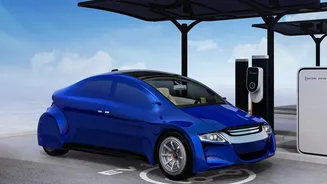
The Burning Problem in Electric Vehicles
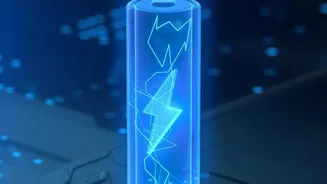
The heart of every electric vehicle is its lithium-ion battery. These powerful energy packs have revolutionised personal transport, but they come with an inherent risk. The liquid electrolytes used inside them, which allow charge to flow between the positive
and negative electrodes, are typically flammable organic solvents. While battery management systems are incredibly sophisticated, damage from an accident or a manufacturing defect can lead to a short circuit. This can trigger a dangerous chain reaction known as 'thermal runaway,' where the battery overheats uncontrollably, potentially leading to intense and hard-to-extinguish fires. This safety concern, though statistically rare, looms large in the public imagination and represents a significant challenge for automakers and a source of anxiety for consumers.
A Breakthrough from an Unlikely Source
In a remarkable leap forward, scientists have developed a new kind of electrolyte that is not only non-flammable but also derived from a sustainable and abundant resource: crop waste. The key ingredient is lignin, a complex polymer that gives plants their rigidity. Lignin is a major byproduct of the paper and biofuel industries, with millions of tonnes produced globally each year. Much of this waste is either discarded or burned for low-value energy. Now, researchers have devised a method to transform this humble material into a high-performance component for the next generation of batteries. By processing the raw lignin, they have created a 'gel polymer electrolyte'—a semi-solid material that could make EV battery fires a thing of the past.
How Plant Power Prevents Fires
The genius of the lignin-based electrolyte lies in its physical state and chemical stability. Unlike a liquid, which can leak and ignite, this new gel polymer is a stable, semi-solid substance. It functions as both the electrolyte and a physical separator, keeping the battery's positive and negative electrodes safely apart. If a battery is punctured or crushed, the gel structure is far less likely to fail in a way that allows for a catastrophic short circuit. Furthermore, the material itself is inherently non-flammable, remaining stable at temperatures far higher than those that cause traditional liquid electrolytes to break down and catch fire. This innovation addresses the root cause of battery fires, rather than just mitigating the symptoms, offering a fundamental safety improvement.
More Than Just a Safety Upgrade
The benefits of this technology extend far beyond safety. It represents a major step towards a truly circular economy. By upcycling agricultural waste into a critical, high-value industrial product, it creates a new revenue stream for industries that produce lignin as a byproduct. For a country like India with a massive agricultural sector, the potential is enormous. It turns a disposal problem into a manufacturing opportunity. This process could also be more cost-effective and environmentally friendly than producing conventional electrolytes, which rely on petroleum-derived solvents. The use of a sustainable, Earth-abundant material like lignin reduces the battery industry’s reliance on volatile supply chains and critical raw materials.
The Road Ahead for Greener Batteries
While the laboratory results are incredibly promising, it will take time for this technology to appear in the electric car you buy. The next phase of research will focus on scaling up production of the lignin electrolyte and conducting extensive testing to ensure its long-term durability and performance under real-world driving conditions. Scientists need to verify that batteries using this electrolyte can withstand thousands of charge-and-discharge cycles over many years without significant degradation. If these hurdles can be overcome, collaborations between research institutions and battery manufacturers will be crucial to integrate the technology into commercial production lines. The path from lab to highway is a long one, but this breakthrough has laid a clear and exciting foundation for a safer and more sustainable future for electric mobility.