



An Aesthetic Rooted in Heritage
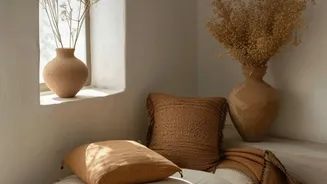
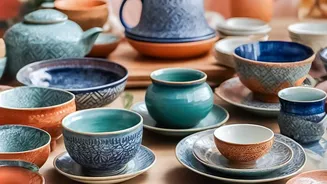
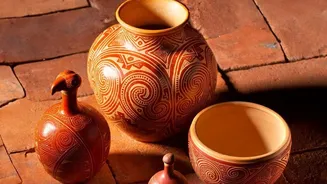
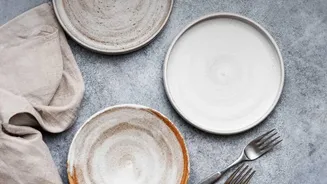
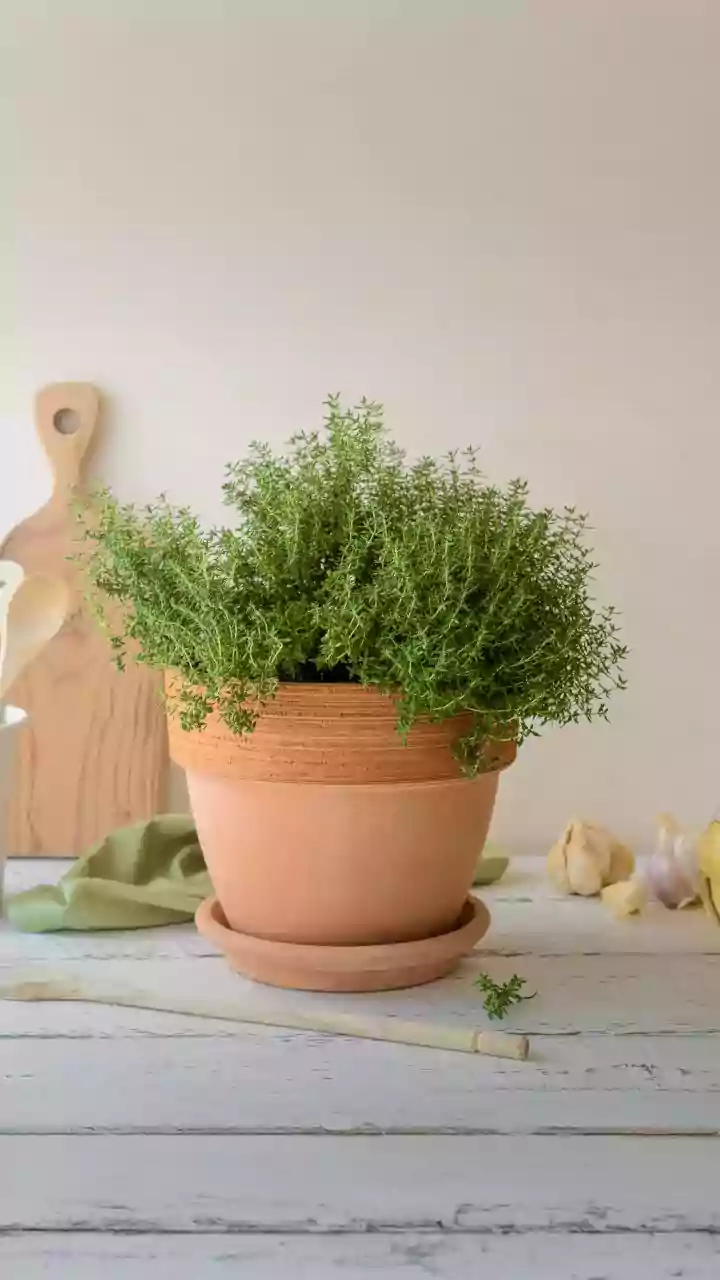
For many young decorators, the appeal of terracotta is deeply visual. Its warm, earthy tones and rustic texture provide a welcome contrast to the sleek, mass-produced uniformity of plastic. This isn't just about nostalgia; it's a deliberate design choice.
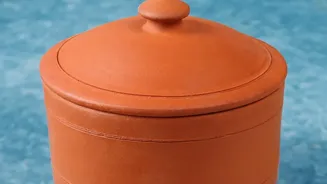
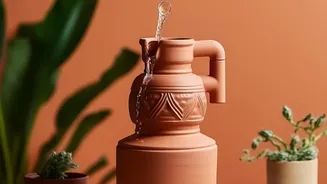
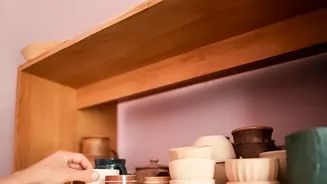
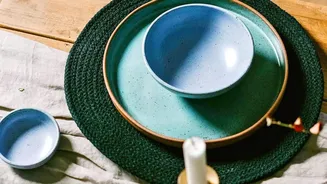
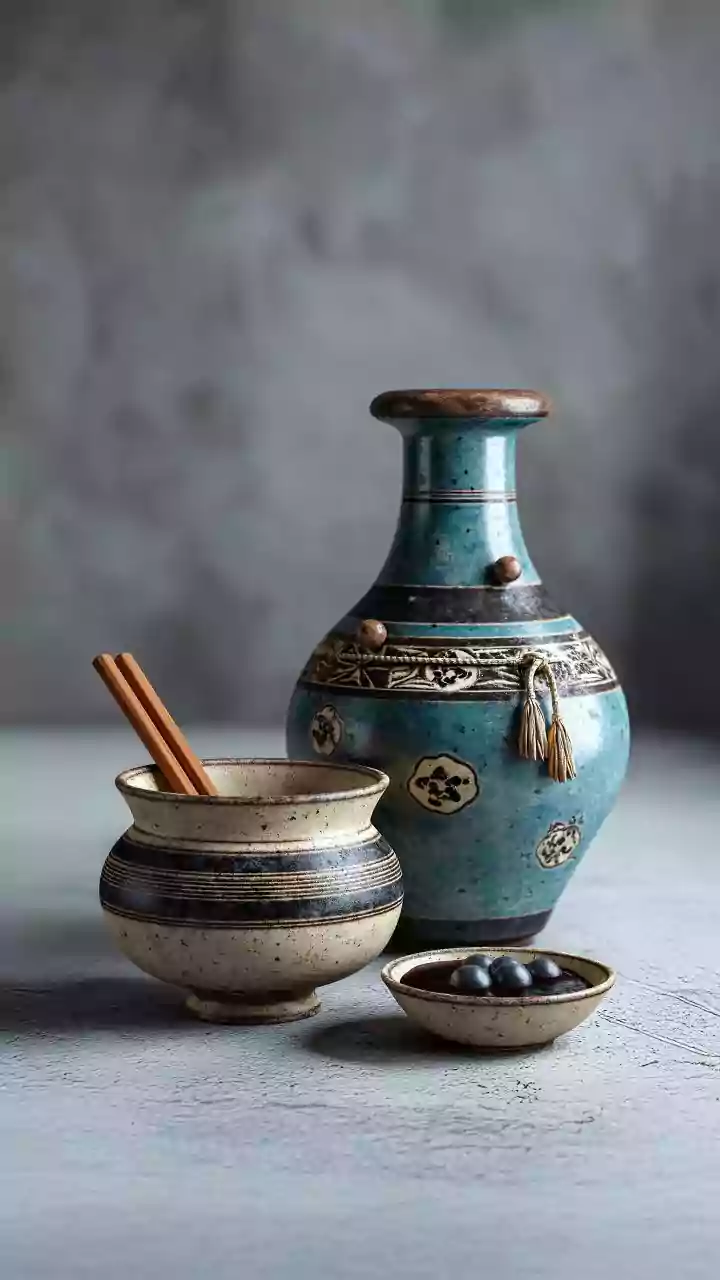
In modern Indian homes that often feature minimalist or contemporary decor, earthenware adds a layer of organic warmth and character. This trend is part of a larger movement towards incorporating traditional Indian crafts into urban lifestyles. Terracotta, a material used in the subcontinent for millennia, connects a modern dining experience to a rich artisanal heritage, making every meal feel a little more special. Artisans are also innovating, producing terracotta serveware with modern glazes and contemporary shapes that fit seamlessly into today's kitchens.
The Eco-Conscious Choice
Beyond aesthetics, a significant driver of this trend is a growing environmental consciousness. Young consumers are increasingly aware of the environmental cost of plastic, a petroleum-based material that can take centuries to decompose and often ends up in landfills. Terracotta, made from natural clay, is biodegradable and returns to the earth without leaving a toxic footprint. This makes choosing earthenware an act of sustainable living. By opting for locally made clay dishes, decorators are not only reducing their plastic consumption but also supporting traditional artisans and lowering their carbon footprint, as terracotta production is typically less energy-intensive than plastic manufacturing.
A Healthier Way to Dine
Health and wellness are major considerations for today's consumers. There are growing concerns about plastic kitchenware, especially when it comes into contact with hot food, potentially leaching chemicals like BPA and phthalates. Earthenware is seen as a safer, non-toxic alternative. Clay is a natural, inert material that doesn't release harmful substances into your food. Some proponents even claim that the alkaline nature of clay can help balance the pH levels of acidic foods, subtly enhancing their natural flavour. Furthermore, the porous nature of unglazed terracotta can help retain a food's moisture, making dishes juicier and more flavourful.
Enhancing the Everyday Experience
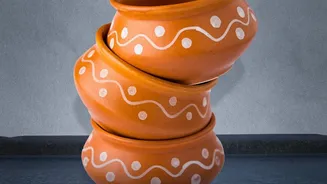
The preference for terracotta also extends to the overall sensory experience of dining. Unlike the cold, sterile feel of plastic, earthenware is tactile and grounding. The heft of a clay bowl or the rustic surface of a plate engages more than just the sense of sight. Many believe that food simply tastes better when served in clay vessels, attributing it to an earthy aroma and superior heat retention that keeps dishes warm for longer. Serving dishes like 'dahi' in a clay pot or 'biryani' from an earthen 'handi' is not just traditional but is believed to enhance the authentic flavour of the food. It transforms a routine meal into a more mindful and enjoyable ritual.
Practicality and a Mindful Pace
While plastic offers undeniable convenience and durability, many are finding that the perceived fragility of earthenware is manageable and even rewarding. Caring for terracotta—such as seasoning it before first use and washing it gently by hand—encourages a slower, more deliberate approach to daily routines. Though heavier and more prone to chipping than plastic, good quality terracotta is quite durable. This small investment in care is seen by many as a worthwhile trade-off for the aesthetic, environmental, and health benefits it brings, representing a move away from a disposable culture towards one that values longevity and craftsmanship.