



The Great Monsoon Escape and The Greater Return
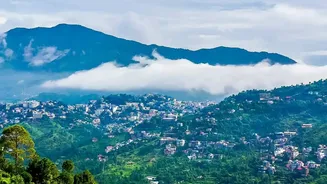
Every Friday during the monsoon, thousands of city dwellers pack their bags and head for the hills or the coast. Popular destinations like Lonavala near Mumbai, Mussoorie in Uttarakhand, and the Shimla-Kalka belt see a massive influx of vehicles. The
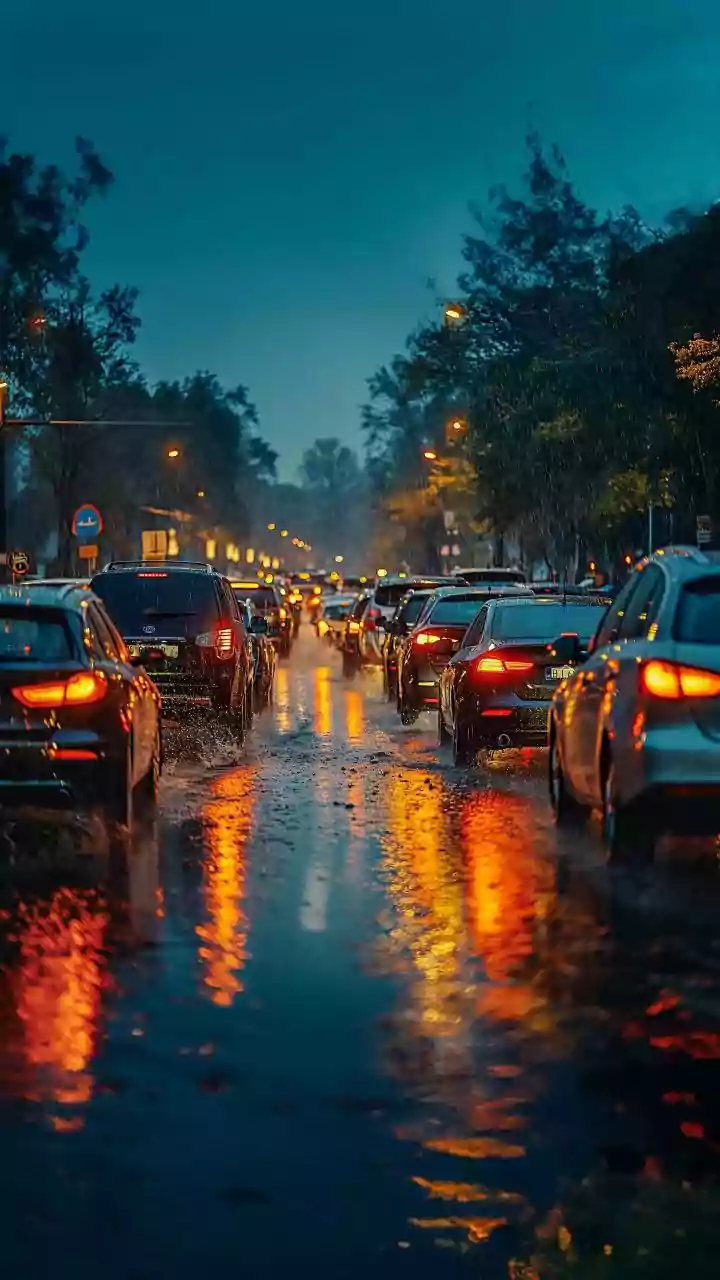
dream is to trade urban clamour for natural serenity. The reality, however, often culminates in a Sunday evening nightmare. The same highways that offered a smooth escape become clogged arteries of gridlocked traffic. What should be a three-hour drive easily stretches into six, seven, or even more, turning refreshed vacationers into frustrated commuters just hours after checking out.
A Perfect Storm of Problems
Several factors combine to create this weekly travel chaos. First, there is the sheer volume of people. Popular spots are seeing unprecedented tourist numbers, especially during long weekends. Second, the infrastructure in and around these tourist towns wasn't built to handle such a massive, concentrated rush. Add to this the primary challenge: the monsoon itself. Heavy rains can cause waterlogging and trigger landslides, which can shut down crucial highways for hours or even days. Recent reports from July 2026 highlight frequent disruptions on routes in Himachal Pradesh and Uttarakhand due to landslides and rockfalls. Even a minor blockage can have a cascading effect, leading to kilometres-long tailbacks.
Holiday Gridlock Hotspots
While the problem is widespread, certain routes are notoriously bad. The Mumbai-Pune Expressway, particularly the stretch near Lonavala and Khandala, is a classic example where weekend traffic slows to a crawl. In the north, the winding roads to Shimla and Manali become choked with cars, with authorities often issuing advisories. Similarly, the route from Dehradun to Mussoorie is a well-known choke point. The issue isn't just about traffic; it’s about safety. Weather conditions can change rapidly in the hills, making night driving particularly hazardous when combined with fatigue and congestion.
How to Plan a Smoother Return
Avoiding the crush entirely requires a strategic shift in planning. The most effective tactic is to travel off-peak. Instead of leaving with everyone else on Sunday afternoon, consider altering your schedule. Leave exceptionally early on Sunday, aiming to be on the road by 7 AM before the majority of tourists have even finished breakfast. Alternatively, if your work schedule permits, extend your stay. Check out on Monday morning and enjoy a leisurely drive back while everyone else is already back at their desks. This simple change can be the difference between a pleasant ride and a stressful ordeal.
Smarter Travel Tactics
Beyond timing your departure, other small preparations can make a huge difference. Before you leave, check weather forecasts and traffic advisories from local authorities. Keep your itinerary flexible enough to accommodate unexpected delays. Always pack an emergency kit for your car with essentials like water, snacks, a first-aid kit, and a fully charged power bank for your phone. Use real-time traffic apps, but also have a backup route in mind where possible. Sometimes, the most important part of a monsoon trip isn't where you go, but how you plan your return.