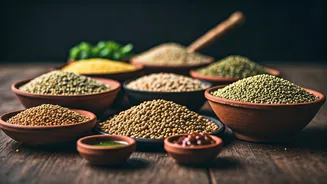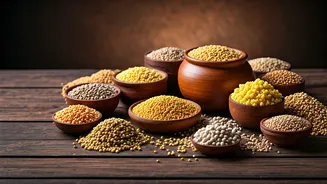




From Ancestral Grain to Modern Staple
Not long ago, preparing millets felt like a commitment. They were considered a 'poor man's grain' and gradually faded from urban diets, replaced by the convenience of polished rice and refined wheat. However, a powerful shift is underway. This resurgence
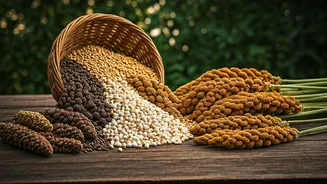
was significantly boosted by government initiatives, including the declaration of 2023 as the International Year of Millets, following India's proposal to the UN. This national and global spotlight has encouraged a fresh look at grains like jowar (sorghum), bajra (pearl millet), and ragi (finger millet), which were staples during the Indus Valley Civilization. A May 2026 report highlighted that around 70% of Indian households now regularly consume millets, signalling a major dietary shift. This comeback isn’t just about nostalgia; it’s about rediscovering a food that is deeply suited to India's climate and its people's nutritional needs.
The Nutrition Powerhouse
The renewed interest in millets is strongly tied to a growing health consciousness across the country. Unlike refined grains, millets are nutritional powerhouses. They are naturally gluten-free, making them an excellent choice for those with celiac disease or gluten sensitivity. Their high fibre content aids digestion, helps in weight management by keeping you fuller for longer, and supports a healthy gut microbiome. Furthermore, millets have a low glycemic index, which is crucial for managing blood sugar levels, a growing concern in India. Different millets offer unique benefits: Ragi is one of the richest plant-based sources of calcium, vital for bone health. Bajra is packed with iron, helping to combat anaemia. And varieties like foxtail and proso millet are lauded for their high protein content.
The Convenience Revolution
Perhaps the biggest driver of the millet revival is that they are finally easy to use. The 'practical era' is defined by a wave of innovation in the food industry. The market is now flooded with ready-to-cook and ready-to-eat millet products that fit seamlessly into a busy lifestyle. You can find everything from multi-millet dosa and idli mixes to upma, noodles, and breakfast cereals. These products eliminate the traditional hassles of soaking and long cooking times. The snack aisle has also seen a millet makeover, with baked (not fried) millet namkeens, cookies, and energy bars offering healthier alternatives to conventional snacks. This boom is supported by government schemes like the Production Linked Incentive Scheme for Millet-based Products (PLISMBP), which encourages companies to create and market these convenient options.
Making Millets Work for You
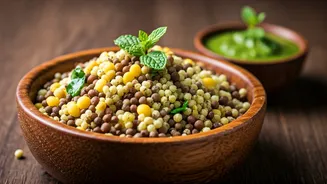
Incorporating millets into your daily diet is easier than ever. You don’t need to completely overhaul your eating habits. Start with simple swaps. Try replacing a portion of your regular rice with cooked foxtail or little millet. You can cook most millets just like rice, typically using a 1:2 grain-to-water ratio, and they are ready in about 20-25 minutes. For a nuttier flavour, toast the grains in a dry pan for a few minutes before adding water. Use ragi flour mixed with wheat flour for rotis or turn it into a nutritious porridge. Jowar flour can be used to make bhakri, and bajra is perfect for khichdi, especially in winter. Leftover cooked millet can be tossed into salads or used to add bulk to vegetable fritters and soups.
A Sustainable and Smart Choice
The benefits of embracing millets extend beyond personal health. They are known as climate-resilient crops, requiring significantly less water than rice and wheat—up to 70% less in some cases. They can thrive in arid regions and poor soil conditions with minimal need for fertilizers or pesticides, making them an environmentally sustainable choice and a boon for farmers in dry areas. By choosing millets, consumers are not only making a healthier choice for themselves but also supporting a more sustainable agricultural system and the livelihoods of countless small farmers. This combination of health, convenience, and environmental benefits is what solidifies their place in the modern Indian kitchen.