
The Soul of the Peda: Khoya
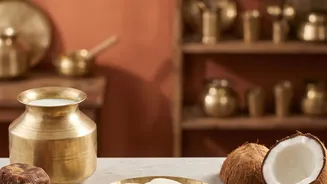
The secret to Mathura's famous peda lies not in a complex recipe, but in the painstaking preparation of its core ingredient: khoya. Also known as mawa, khoya is simply milk that has been slowly simmered in a large, open pan until most of the water evaporates,
leaving behind the concentrated milk solids. This foundation is what separates an authentic Mathura peda from its countless imitations. While many sweets use khoya, the Mathura tradition is defined by its commitment to freshness and a specific cooking technique that has been passed down through generations. The quality of the milk, often sourced locally from the Braj region, is considered paramount, as it forms the very essence of the final product's flavour.
A Masterclass in Slow Cooking
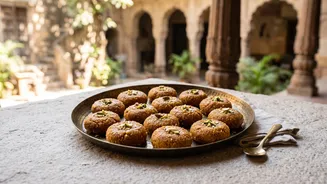
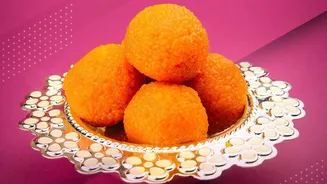
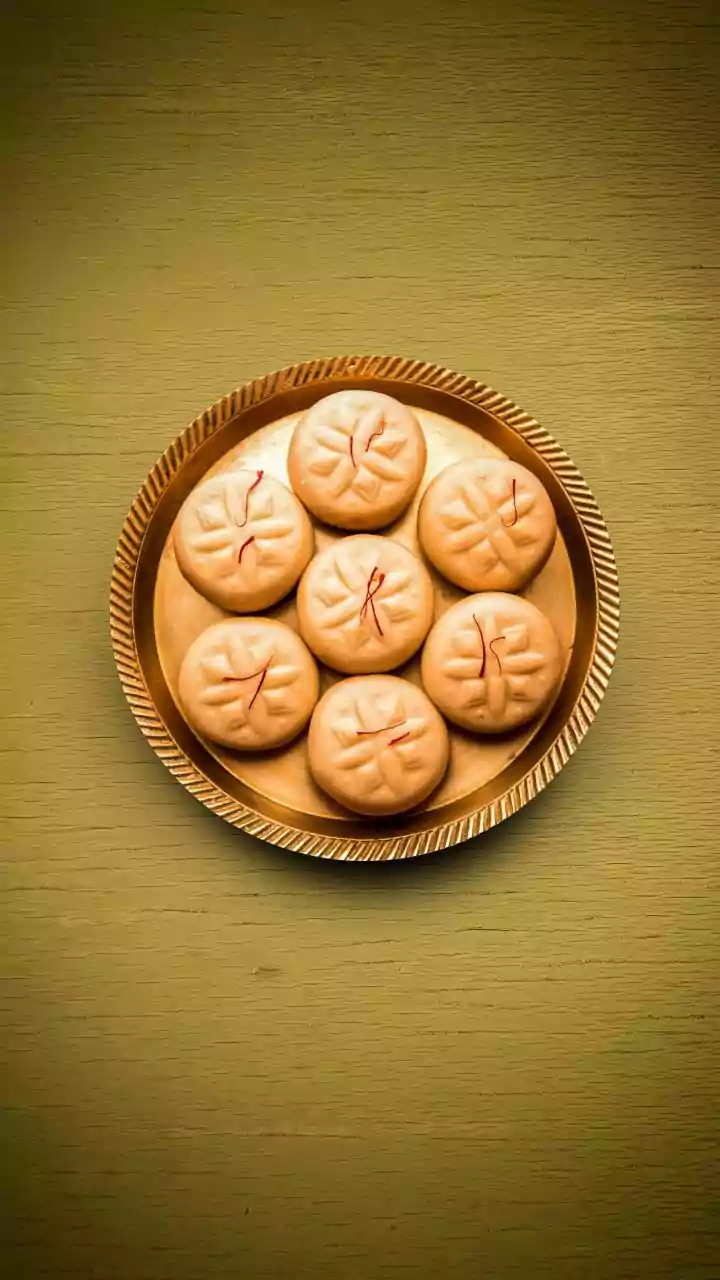
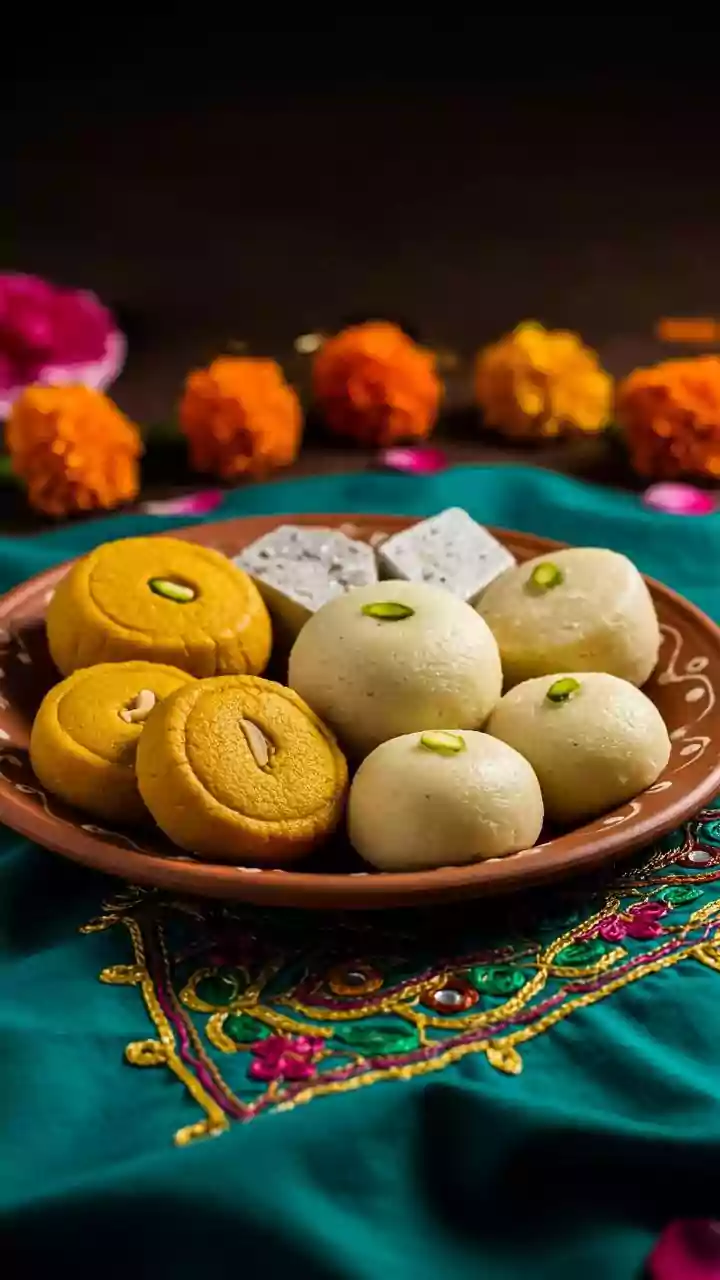
What truly distinguishes the Mathura peda is the roasting of the khoya. Unlike the pale, soft pedas found elsewhere, which use lightly cooked mawa, the artisans of Mathura continue to cook the milk solids long after they have formed. The khoya is patiently roasted, often with a bit of ghee, and stirred continuously over a low flame. This process can take a significant amount of time, as the artisan waits for the milk sugars to caramelise. This is what gives the peda its signature tan, brownish colour and a deep, almost nutty flavour profile. The result is a texture that is uniquely 'danedar' or grainy, a characteristic highly prized by connoisseurs. It is a labour of love that cannot be rushed or replicated by industrial shortcuts.
It’s Not Just Any Sugar
Another crucial element contributing to the peda's texture is the type of sugar used. Traditionally, makers of Mathura peda don't use regular powdered sugar. Instead, they use 'tagar' or 'bura', a specific kind of porous, aromatic sugar. Tagar is made by boiling sugar syrup to a certain consistency, then cooling and stirring it to form a dry, powdery texture. This special sugar is mixed into the roasted khoya after it has cooled slightly. Because tagar is less fine than industrial powdered sugar, it doesn't dissolve completely, contributing to the delightful, slightly crumbly and grainy mouthfeel that makes the peda melt in your mouth in a unique way. The final step often involves rolling the shaped pedas in this same sugar for a light, sweet coating.
An Offering Fit for a God
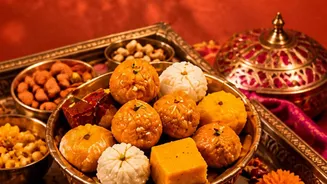
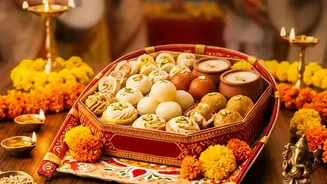
The peda's significance in Mathura is inseparable from the city's identity as the birthplace of Lord Krishna. Milk and milk products are central to the stories of Krishna's childhood, making milk-based sweets a natural and cherished part of the local culture. Mathura peda is one of the most common offerings, or 'prasad', in the temples of Mathura and Vrindavan. Devotees who visit the region often take boxes of these sweets back home as blessed gifts for friends and family. This has cemented the peda's status not just as a local delicacy, but as a symbol of devotion and a tangible piece of a sacred pilgrimage.
Protecting a Sweet Legacy
In the modern age, the reputation of Mathura peda faces challenges. The biggest threat is adulteration, with some producers using milk powder, starch, or poor-quality khoya to cut costs, especially during peak festival seasons. This compromises the authentic taste and texture that comes from slow-cooked, pure milk. To protect this culinary heritage, there has been a significant push to secure a Geographical Indication (GI) tag for the Mathura Peda. An application was filed by the local mithai association to ensure that only pedas made in the traditional manner within the geographical region can be called 'Mathura Peda'. While the tag is still in process as of late 2026, it represents a crucial step in preserving the artistry and quality standards that make this sweet a national treasure.