


What Exactly Is Sourdough Discard?
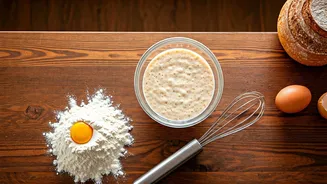
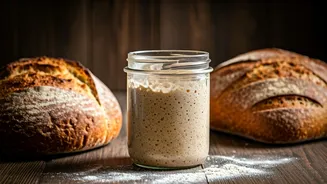
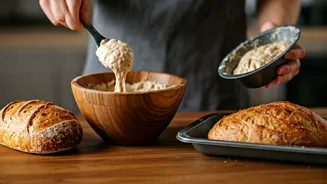
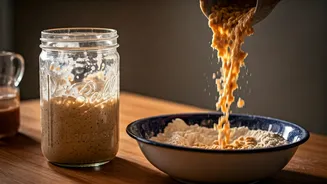
To keep a sourdough starter healthy and active, it needs regular 'feedings' of fresh flour and water. During this process, a portion of the starter is removed to manage its size and acidity. This removed portion is the 'discard'. While it lacks the leavening
power of a freshly fed starter, it's packed with tangy flavour and is far from being waste. Instead of ending up in the compost, bakers are now seeing it as a versatile ingredient in its own right.
The Shift from Waste to Wonder
The movement to utilise sourdough discard is part of a broader trend towards reducing food waste and embracing more sustainable kitchen practices. For years, tossing the discard felt like a necessary but wasteful part of the sourdough process. Experts and home bakers alike are now championing a new approach, framing the discard not as a byproduct but as a 'secret ingredient'. It adds a complex, tangy flavour similar to buttermilk or crème fraîche to a wide array of recipes, tenderises baked goods, and contributes to better browning. This shift in perspective is a simple yet powerful way to make your baking habit more circular and economical.
Getting Started: Sweet & Savory Staples
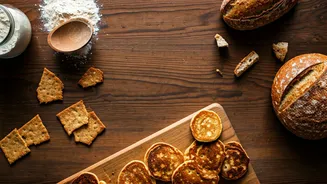
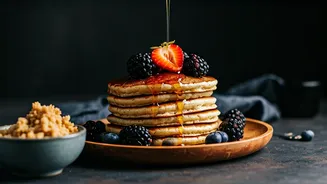
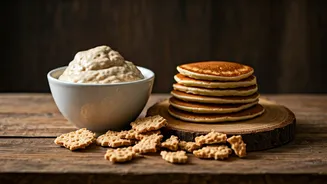
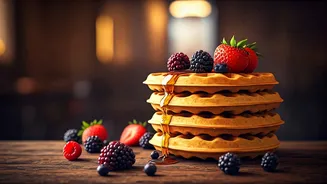
The easiest way to begin using your discard is with breakfast classics. Pancakes and waffles are incredibly forgiving and a popular starting point for many. The acidity in the discard reacts with baking soda to provide lift, resulting in fluffy, tender results with a delightful tang. Beyond breakfast, savory options abound. Sourdough crackers are a simple and impressive way to use up a lot of discard; they just require you to roll the dough thinly, season, and bake. You can also incorporate discard into pizza dough, flatbreads, and biscuits for enhanced flavour and texture.
Creative Uses Beyond the Basics
Once you're comfortable with the basics, a world of culinary creativity opens up. Experts suggest using discard to create everything from fudgy brownies and moist coffee cakes to sophisticated pie crusts. The discard's tang is a brilliant counterpoint in sweet recipes, balancing the sugar and adding depth. For more adventurous cooks, it can be used to make fresh pasta, tender meatballs (in place of breadcrumbs), or even a batter for fried foods like fish or onion rings. Some bakers even dehydrate their discard, grinding it into a powder to be added to other recipes for a nutritional and flavourful boost.
How to Store and Manage Your Discard
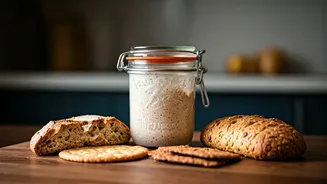
To start saving your discard, simply place it in a separate, clean jar in the refrigerator. It's best to use a container with a loose-fitting lid to allow any gases to escape. You can continue adding new discard to this container each time you feed your starter. In the fridge, it will last for about a week, though some bakers keep it for longer. The flavour will become more acidic over time, so fresher discard is often preferred for sweeter recipes like cookies and cakes, while older, tangier discard can be great for savory dishes like crackers or pasta. For long-term storage, discard can be frozen for several months.