



Start Small with Textiles
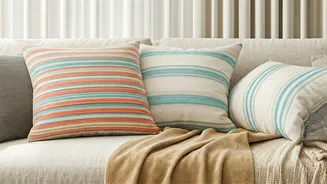
The easiest way to dip your toes into the world of stripes is through textiles. You are not committing to a permanent change, and the effect can be surprisingly transformative. Think about cushion covers on your sofa, a striped throw draped over an armchair,
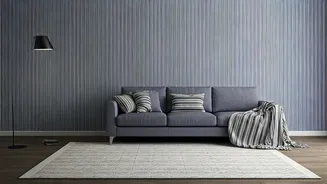
or even a chic table runner for your dining area. These small additions break the visual monotony of a room without overwhelming it. For a classic look, try navy and white or grey and cream. If you’re feeling more adventurous, a multi-coloured stripe can add a pop of cheerful energy, especially in a neutral-toned room. This low-risk approach allows you to see how stripes interact with the light and existing colours in your home before you consider a bigger project.
The Magic of Vertical vs. Horizontal
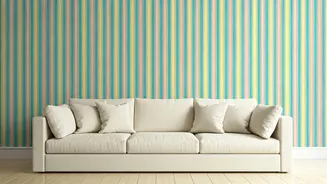
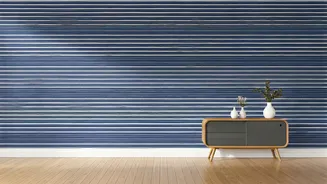
The fear that stripes make a room look smaller is a common myth, but it’s all about direction. The rule is simple: vertical stripes make a ceiling feel higher, while horizontal stripes make a room feel wider. If you have a room with a low ceiling, a common feature in many modern apartments, consider wallpaper with subtle vertical stripes on one wall. This will draw the eye upward, creating an illusion of height and airiness. Conversely, if you have a narrow room or corridor, horizontal stripes can create a sense of spaciousness. You don’t need to paint the whole room; even a striped rug or a feature wall can achieve this powerful optical illusion.
Play with Scale and Colour
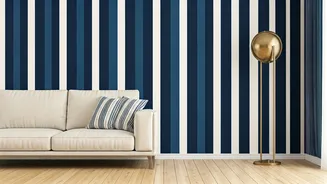
Not all stripes are created equal. The width and colour of the stripes dramatically change their impact. Bold, wide, high-contrast stripes (like black and white) make a strong, graphic statement. They are perfect for a feature wall in a minimalist space or on a statement piece of furniture. On the other hand, thin, delicate pinstripes or stripes in similar tones (a 'tone-on-tone' effect, like two shades of beige) read as a subtle texture from a distance. These are fantastic for adding depth and sophistication without being loud. This type of stripe works beautifully on curtains, bedding, or even a full wall in a bedroom, creating a serene and elegant atmosphere.
Use Stripes as a Neutral Anchor
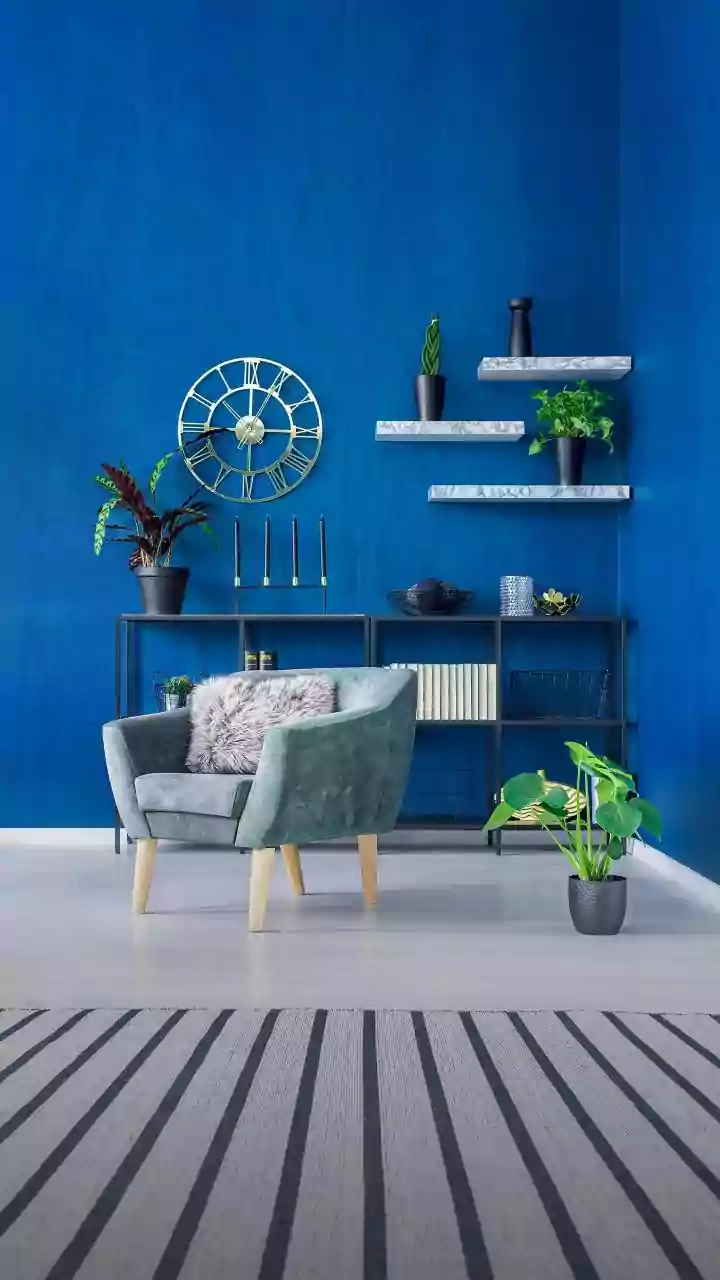
This may sound counter-intuitive, but a simple, classic stripe can act as a neutral element in a room, especially when paired with more complex patterns. Many Indian textiles feature intricate floral, paisley, or geometric motifs. A simple striped dhurrie or rug can ground these patterns, preventing the room from feeling too busy. The key is to stick to a simple two-colour stripe in a palette that complements your other textiles. For example, a blue and white striped rug can look stunning with block-printed cushions that have hints of blue in them. The stripe provides structure, allowing the more ornate patterns to shine.
Create a Fearless Focal Point
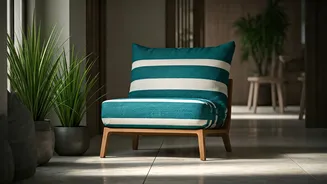
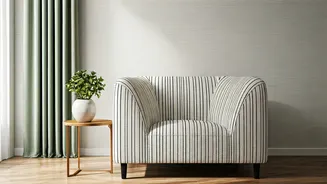
If you’re ready to be bold, use stripes to create a stunning focal point. This doesn’t have to be a whole room. Consider the wall behind your bed or the main wall in your living room. A beautifully wallpapered or painted striped wall can act as artwork in itself, reducing the need for other decorative items. Another powerful idea is to reupholster a single piece of furniture—an old armchair, a set of dining chairs, or an ottoman—in a striking striped fabric. This creates an immediate conversation starter and injects a dose of personality into your space. It’s a designer trick that makes a room feel custom and thoughtfully curated.