






What is Slow Travel, Really?
The term ‘slow travel’ can be misleading. It isn’t necessarily about moving at a snail’s pace, but rather about changing your mindset. Born from the slow food movement of the 1980s, slow travel prioritises connection over checklists. It’s about choosing
depth over breadth—spending more time in a single location to absorb its culture, rhythms, and environment. Instead of racing between landmarks, you walk, you linger, you engage. The goal is not to see a place, but to experience it. This philosophy encourages travellers to form a genuine bond with the places they visit, supporting local communities and minimising their environmental footprint along the way.
The Great Digital Exhaustion
The rise of slow travel is a direct response to the pressures of modern life. We live in a state of perpetual connection, where work emails arrive at dinner and social media feeds demand our attention late into the night. This 'always on' culture has led to a collective burnout, making a true escape more necessary than ever. A digital detox—intentionally stepping away from screens—is a core component of this new travel style. The benefits are profound: reduced stress, improved sleep, deeper focus, and more meaningful connections with the people and places around you. Travellers are discovering that the ultimate luxury isn't a five-star hotel, but the silence to hear their own thoughts again.
Why The Forest is The Perfect Cure
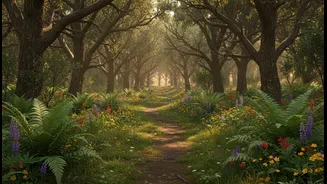
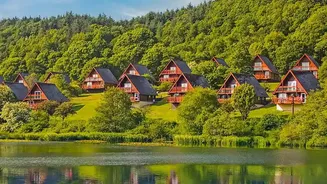
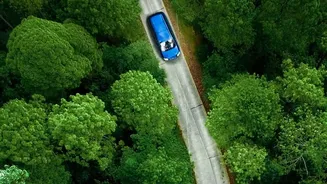
If slow travel is the philosophy, then the forest is its cathedral. Nature provides the ideal setting for disconnecting from the digital world and reconnecting with a more ancient rhythm. Immersed in a forest, the constant buzz of notifications is replaced by the sound of wind in the trees and the melody of birdsong. It is an environment that commands presence. You are encouraged to walk slower, breathe deeper, and notice the small details—the texture of bark, the scent of damp earth, the way sunlight filters through the canopy. These escapes, often in eco-lodges or secluded homestays, are designed to pull you gently back into the real world, one sensory experience at a time.
India's Growing Appetite for Quiet
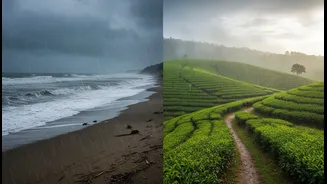
This global trend has found fertile ground in India, where the frantic pace of urban life has created a strong desire for meaningful rest. A recent travel report revealed that relaxation is the primary motivation for 67% of Indian travellers. This is fuelling a surge of interest in quieter destinations. For instance, accommodation searches for Dharamshala, with its peaceful meditation centres and forest trails, have skyrocketed. From the misty hills of Uttarakhand and Himachal Pradesh to the dense coffee plantations of Coorg and the tranquil backwaters of Kerala, Indians are seeking out destinations that promise peace over parties. Places like Matheran, Asia’s only automobile-free hill station, and the secluded artist village of Andretta are becoming havens for the modern-day mindful traveller.
More Than a Vacation, A Mindset
Ultimately, the turn towards forest escapes is about more than just a holiday. It represents a fundamental shift in what we value. These journeys are often rooted in sustainability, with many eco-lodges and jungle retreats working to preserve local ecosystems and support communities. They offer a model of tourism that gives back, where a visitor’s presence contributes to conservation. By choosing to travel slowly, we are not just recharging our own batteries; we are investing in a more conscious and sustainable way of engaging with the world. It’s a reminder that sometimes, the most profound journeys are the ones where we stay put long enough to let the world sink in.