








The Daily Time Deficit
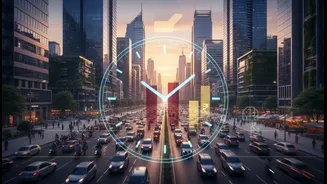
For millions of urban Indians, the day is a race against time. Long work hours, coupled with gruelling commutes, leave little room for much else. This time poverty has a direct impact on health. When the choice is between an extra hour of sleep or a 6
AM workout, sleep often (and understandably) loses. The 'hustle culture' celebrated for years is now being recognized for what it is: a major contributor to burnout and chronic stress. In response, convenience has become the new currency. This has fuelled the rise of at-home fitness apps, quick 20-minute online yoga sessions, and meal delivery services. While these solutions offer a workaround, they also highlight a fundamental shift: health is no longer a dedicated activity but something to be squeezed into the margins of a frantic day. The focus is shifting from intense gym sessions to sustainable, time-efficient habits like mobility training and mindfulness practices that can be integrated into a busy lifestyle.
The High Cost of Wellness
The perception of healthy living as a luxury is not without merit in Indian cities. While a basic nutritious meal has become slightly more affordable in some regions, a truly balanced and varied diet comes at a premium. Speciality ingredients, organic produce, and protein supplements can significantly inflate a monthly grocery bill. Beyond the kitchen, the costs add up. A gym membership can range from a few hundred to several thousand rupees a month, while specialised classes like Pilates or functional training command even higher prices. This economic barrier creates a two-tiered wellness system. While one segment of the urban population invests in high-end fitness solutions and personalised nutrition, a larger majority finds healthier choices financially out of reach. This often means falling back on cheaper, calorie-dense, and processed foods, which contributes to the rising tide of lifestyle diseases like diabetes and hypertension in urban centres.
Designed for Discomfort
Perhaps the most significant, yet often overlooked, factor is the design of our cities. Indian urban landscapes are largely built for vehicles, not people. The simple act of going for a walk or a run can be a hazardous undertaking, involving navigating broken or non-existent footpaths, dodging traffic, and dealing with pollution. Green spaces, which are crucial for both physical activity and mental well-being, are scarce and often poorly maintained. This hostile pedestrian environment discourages incidental physical activity—the kind of movement that is naturally built into the day. The lack of safe, accessible, and well-lit public areas for recreation forces citizens indoors. While some cities have initiated projects to improve walkability and create cycling lanes, progress is slow. The result is a sedentary lifestyle that is not entirely a choice, but a consequence of an environment that makes being active difficult and unsafe.
A Holistic Shift in Thinking
Despite these challenges, a cultural shift is underway. Urban Indians are increasingly viewing health not as a series of isolated actions, but as a holistic system encompassing physical fitness, nutrition, mental clarity, and sleep. There's a growing awareness of burnout and the importance of mental fitness, with meditation apps and conversations around therapy becoming more mainstream. The focus is gradually moving from extreme routines to long-term, sustainable habits. This has led to a renewed interest in traditional Indian wellness practices like yoga and Ayurveda, but now integrated with modern, science-backed approaches. The understanding is dawning that true well-being is about functioning better in daily life, building resilience against stress, and prioritising longevity over short-term aesthetic goals.