


The Power of Compost
Before diving into the hacks, it’s worth knowing why compost is so beneficial. Often called 'black gold' by gardeners, compost is decomposed organic matter that enriches soil in numerous ways. It helps soil retain moisture, which means less watering for you.
It also improves soil structure, breaking up heavy clay and giving body to sandy soils. Most importantly, it's packed with essential nutrients like nitrogen, phosphorus, and potassium that feed plants slowly and sustainably, unlike synthetic fertilizers. By composting, you not only create a healthier garden but also significantly reduce household waste.
Coffee Grounds: A Gardener’s Best Friend
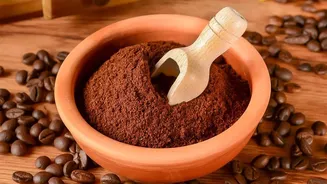
Don't throw away your used coffee grounds; they are a powerhouse for your compost pile. Despite their brown colour, coffee grounds are considered a 'green' compost material because they are rich in nitrogen, a crucial element for plant growth. This nitrogen helps accelerate the decomposition process in your compost pile. You can add the grounds directly to your compost bin, paper filter and all. They help aerate the mixture, improve drainage, and can even deter common garden pests like slugs and snails. While slightly acidic, they tend to neutralize as they decompose, making them suitable for most plants.
Don't Toss Those Eggshells
Eggshells are another kitchen staple that belongs in your compost. They are an excellent source of calcium, a mineral that helps plants build strong cell walls and can prevent issues like blossom-end rot in tomatoes. For the best results, rinse the shells and let them dry before crushing them into a fine powder. Smaller pieces break down much faster, allowing the calcium to become available to your plants more quickly. While they are technically a 'brown' material, their primary contribution is the valuable calcium they add to the finished compost.
Vegetable and Fruit Scraps: The Compost Core
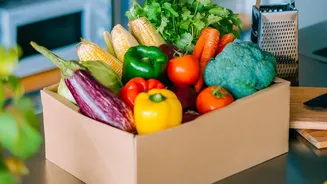
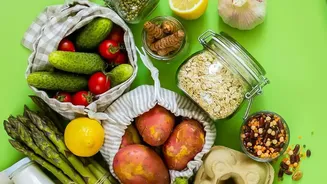
The bulk of your kitchen compost will likely come from fruit and vegetable scraps. Peels from bananas, apples, and carrots; the ends of cucumbers; lettuce cores; and citrus rinds are all excellent 'green' materials that add nitrogen and moisture to your pile. To speed up decomposition and avoid attracting pests, it's a good practice to chop larger items into smaller pieces before adding them to your bin. Keeping a small, lidded container on your kitchen counter makes it easy to collect these scraps throughout the day.
The 'Lazy' Composter's Method: Trench Composting
If managing a compost bin feels like too much work, trench composting is a wonderfully simple alternative. This method involves digging a hole or trench in your garden, about 12 inches deep, and burying your kitchen scraps directly in the soil. Simply dump your collected scraps in, cover them with the soil you dug out, and let nature do the rest. The scraps will decompose underground, enriching the soil right where your plants need it. You can do this in empty patches of your garden or between rows of existing plants. It's a discreet, odour-free way to feed your soil without any special equipment.
What to Leave Out of Your Pile
Just as important as knowing what to add is knowing what to avoid. Certain items can attract pests, create unpleasant odours, or harbour pathogens that are harmful to your plants. As a general rule for home composting, steer clear of meat, fish, bones, and dairy products. Fats, oils, and greasy foods should also be left out. While some advanced composting systems can handle these materials, a standard backyard pile typically doesn't get hot enough to break them down safely. Stick to plant-based scraps for a healthy, trouble-free compost pile.