








India's quest for global recognition of its heritage treasures takes a fascinating turn. Three new sites have been added to the nation's tentative list for UNESCO World Heritage status, shining a spotlight on remarkable geological wonders.
A Stepping Stone to Global Recognition
Before a site
can be officially inscribed as a World Heritage Site, it must first be placed on a country's Tentative List. This is an inventory of properties that a nation considers to have 'outstanding universal value' and intends to nominate in the coming years. Getting on this list is the crucial first step in a long and rigorous process managed by the UNESCO World Heritage Committee. It signals a country's commitment to protecting the site and allows for the development of a comprehensive nomination dossier. India’s tentative list is a vibrant showcase of its cultural and natural diversity, and these new additions underscore a growing appreciation for a different kind of heritage—one written in stone, soil, and volcanic fire.
India's New Geological Jewels
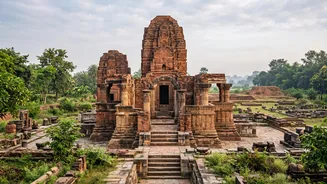
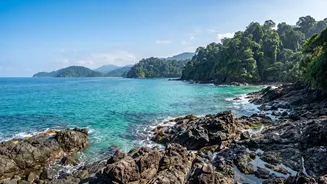
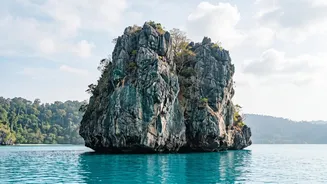
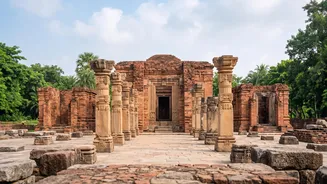
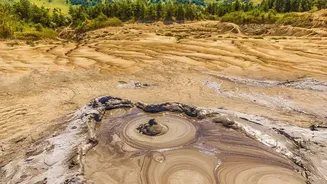
The latest additions highlight India's incredible and often overlooked geological diversity. Two of the sites are in the Andaman and Nicobar Islands. The first is the Karst-mud-volcano Complex of Baratang, which features unique limestone cave formations and mud volcanoes that push mud and gas to the surface instead of lava. The second is the Andaman Subduction Volcanoes, which includes Barren Island—home to South Asia’s only confirmed active volcano—and Narcondam Island, a dormant volcanic landmass with a unique, isolated ecosystem. The third nominee is the Sirpur Cultural and Archaeological Landscape in Chhattisgarh. While rich in temples and monuments, its geological significance comes from the very materials used in its construction: locally quarried, fossilised stromatolite rocks, which contain evidence of life from over a billion years ago.
Why a Focus on Rocks and Volcanoes?
The inclusion of these sites isn't a coincidence; it reflects a global and national shift towards recognizing and preserving 'geo-heritage'. For decades, the conversation around heritage was dominated by grand monuments, palaces, and ancient cities. However, there is a growing understanding that landscapes, geological formations, and fossil sites are just as crucial to the story of our planet and humanity. These sites are natural laboratories that hold clues to Earth's past, from continental shifts and volcanic processes to the evolution of life. They are irreplaceable records of geological time. For India, a country with some of the world's most unique geological features, this focus is a logical next step. Protecting these sites as part of our heritage ensures that their scientific and educational value is preserved for future generations, preventing them from being damaged by unchecked development or neglect.
The Broader Significance for India
Recognizing geological heritage also has tangible benefits beyond science and conservation. It opens up new avenues for sustainable tourism, a key goal of the UNESCO Global Geoparks program. Instead of concentrating tourists in a few crowded historical cities, it encourages travel to lesser-known regions, promoting local economies. Imagine educational tours at Baratang explaining karst landscapes or boat trips around Barren Island to witness an active volcano safely. This approach diversifies the tourism portfolio and fosters a deeper public appreciation for the natural world. It moves heritage from being a static monument to a dynamic, living classroom. By championing these sites, the Geological Survey of India and the Archaeological Survey of India are making a powerful statement: our natural history is as foundational to our national identity as our cultural history.