





Why Humidity is the Real Fitness Foe
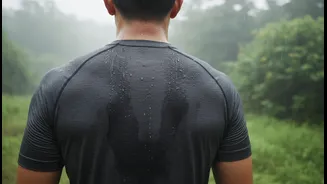
When you exercise, your body sweats to cool down. As sweat evaporates from your skin, it takes heat with it. However, when the air is already saturated with moisture—as it is during the humid monsoon season—this evaporation process slows down dramatically.
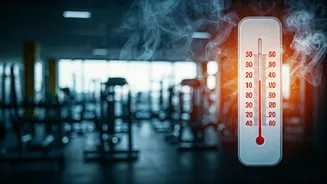
Your sweat has nowhere to go, leaving you feeling sticky and preventing your body from cooling itself effectively. This forces your cardiovascular system to work harder to manage your core temperature, increasing your heart rate and making even moderate exercise feel significantly more strenuous. Studies show that as relative humidity increases, exercise capacity in warm environments is progressively impaired, leading to fatigue much faster than in dry conditions.
The Hidden Health Risks of Humid Workouts
Pushing yourself too hard in high humidity isn't just uncomfortable; it can be dangerous. The body's inability to cool down increases the risk of heat-related illnesses. Dehydration is a major concern, as you lose fluids and essential minerals (electrolytes) through excessive sweating that isn't providing a cooling benefit. This can lead to heat cramps, painful muscle spasms that are an early sign you're overexerting yourself. More serious conditions include heat exhaustion, characterized by dizziness, nausea, and weakness, and the life-threatening condition of heatstroke, which occurs when your body's temperature regulation system fails completely. Furthermore, the constantly damp environment makes you more susceptible to fungal and bacterial skin infections if you remain in sweaty clothes.
Smarter Exercise: Indoors is Your Best Bet
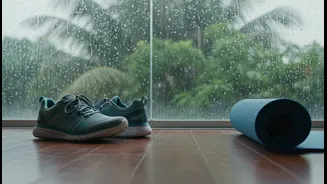
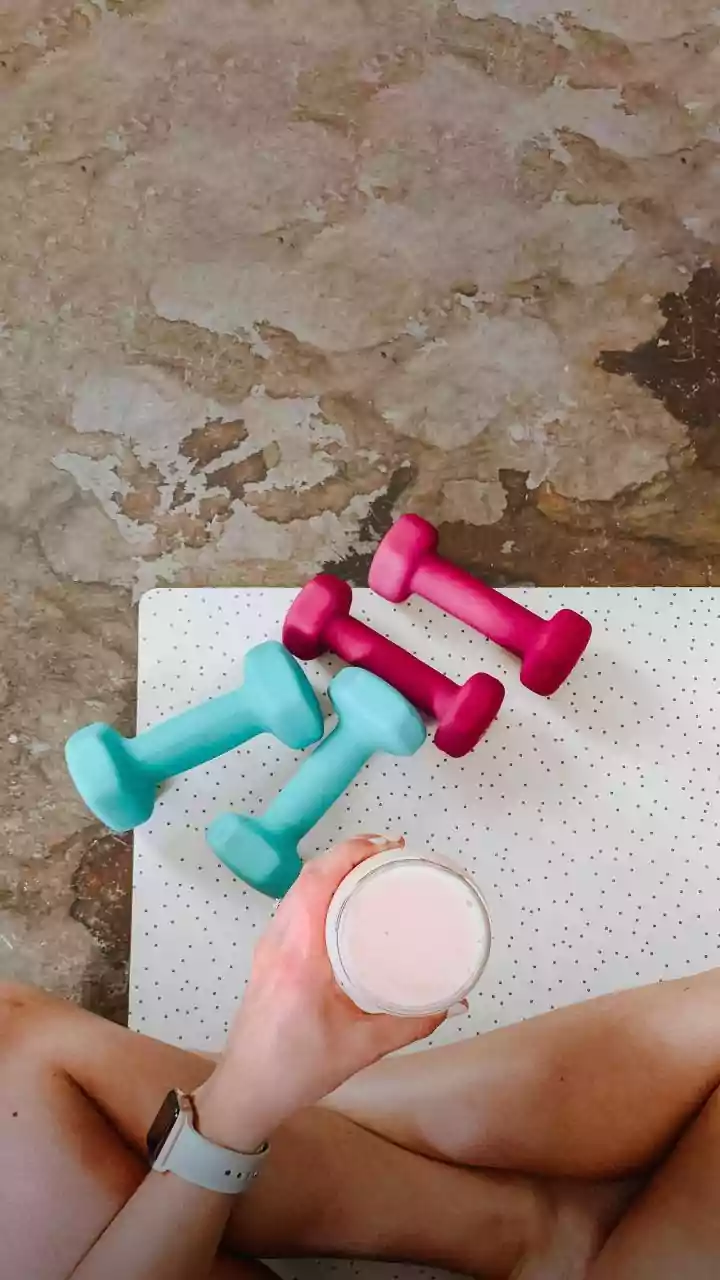
The safest and most effective way to maintain your fitness during the monsoon is to move your workouts indoors. This eliminates weather and humidity as factors, allowing you to exercise consistently. Bodyweight exercises like squats, push-ups, and lunges are excellent for strength training without any equipment. Yoga and Pilates are fantastic for improving flexibility, core strength, and mental well-being, which can be particularly beneficial during gloomy weather. For a cardio hit, consider high-intensity interval training (HIIT) with moves like jumping jacks, burpees, or spot jogging. If you have access to a gym, now is the perfect time to use the treadmill, stationary cycle, or join a class like Zumba or aerobics.
Tips for Safe Outdoor Exercise
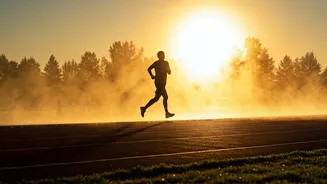
If you can't resist the call of the outdoors, it's crucial to take precautions. Schedule your workouts for the coolest parts of the day, such as early morning or late evening, to avoid peak heat and humidity. Reduce the intensity and duration of your usual routine; your body is already under additional stress. Choose routes that are well-paved and free of waterlogging to prevent slips, falls, and exposure to contaminated water. Listen to your body and be prepared to stop if you feel dizzy, lightheaded, or excessively fatigued.
Dress for Success, Not for Sweat
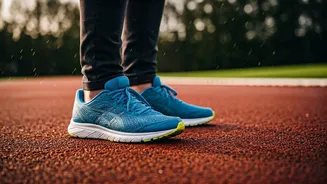
Your workout attire plays a significant role in managing humidity. Avoid cotton at all costs; it absorbs moisture like a sponge, becoming heavy and clinging to your skin. Instead, opt for lightweight, loose-fitting clothes made from moisture-wicking synthetic fabrics like polyester or nylon. These materials pull sweat away from your skin to the fabric's surface where it can evaporate more easily. Light-colored clothing is also a smart choice as it reflects heat rather than absorbing it. Don't forget proper footwear with good grip to handle slippery surfaces.
Hydration is Non-Negotiable
You might not feel as thirsty in the cooler monsoon air, but hydration is more important than ever due to increased sweat loss in humid conditions. Drink water consistently throughout the day, not just during your workout. A good guideline is to drink about 500-600 ml of water two to three hours before exercising. During longer or more intense workouts, it's vital to replenish electrolytes like sodium and potassium. Consider a sports drink or an electrolyte supplement to maintain fluid balance and prevent cramps. A simple way to check your hydration level is to monitor your urine; it should be a pale yellow color.