





When a snack craving hits, the choice between traditional and modern can be tough. In one corner, we have the ancient Indian super-grain, ragi. In the other, the global movie-night champion, popcorn. Which one is the healthier choice?
The Contenders: An Introduction
Let's meet our competitors.
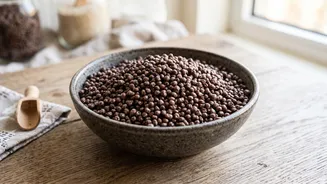
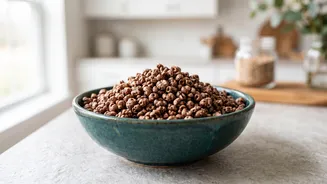
Puffed ragi, also known as finger millet, is a traditional grain that has been a staple in many Indian households for centuries. It's made by roasting ragi kernels until they pop, resulting in a light, crunchy snack. Popcorn, on the other hand, is a specific type of flint corn that expands and puffs up when heated. It's a whole grain and one of the most popular snack foods worldwide, beloved for its satisfying crunch and volume. While both offer a crunchy texture, their nutritional profiles tell very different stories.
The Nutritional Powerhouse: Ragi's Mineral Edge
When it comes to micronutrients, puffed ragi is a clear champion, particularly in its calcium content. Ragi is one of the richest plant-based sources of calcium, containing approximately 344mg per 100g. This is significantly more than most other cereals and makes it an excellent food for bone health. It's also packed with iron, another crucial mineral that supports energy levels and can help prevent anaemia. While popcorn contains minerals like magnesium, phosphorus, and iron, it doesn't come close to the dense mineral profile offered by ragi. For those specifically looking to boost their intake of calcium and iron through snacking, ragi has a distinct advantage.
The Fiber Factor: Satiety and Digestion
Both popcorn and puffed ragi are good sources of dietary fiber, which is essential for digestive health, and keeping you feeling full for longer. Air-popped popcorn is celebrated for its high fiber content relative to its low-calorie count, making it a voluminous snack that can aid in weight management. A cup of air-popped popcorn contains around 1 gram of fiber for just about 30 calories. Ragi is also high in fiber, which contributes to its benefits for digestion and blood sugar control. The fiber in both snacks helps slow down digestion, preventing the rapid blood sugar spikes associated with more refined snacks.
Blood Sugar and The Glycemic Index
For individuals managing blood sugar levels, the glycemic index (GI) is a critical factor. The GI measures how quickly a food raises blood glucose. Air_popped popcorn has a relatively low GI of around 55. Ragi's GI can vary depending on its preparation but generally falls into the low_to_medium range, from 54 to 68. This slow release of sugar makes both snacks a smarter choice than high_GI options like sweets or refined flour snacks. However, because ragi is often combined with other flours or ingredients, its final GI can change. Popcorn, when eaten plain, provides a more predictable, low_GI response.
The Preparation Problem: How Healthy Is It Really?
The health benefits of both puffed ragi and popcorn can be quickly undone by how they are prepared. Air_popped popcorn with no additives is a low_calorie ,high_fiber snack. However ,movie theatre popcorn loaded with butter and salt ,or microwave popcorn bags containing unhealthy fats and chemical flavourings ,are a different story entirely. Similarly ,while roasted puffed ragi is nutritious ,commercially available ragi snacks can be fried or coated in sugar and salt ,diminishing their health advantages. The healthiest way to enjoy either snack is to prepare it at home ,where you can control the amount of oil ,salt ,and other seasonings. Roasting ragi kernels or air_popping corn kernels are the best methods.