

The Celestial Event of August
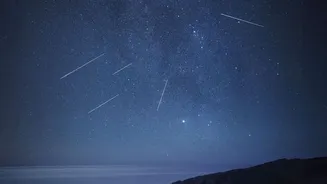
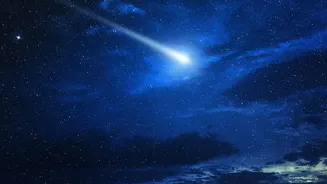
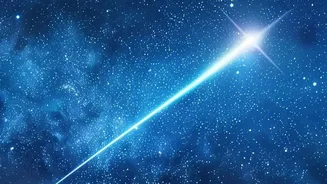
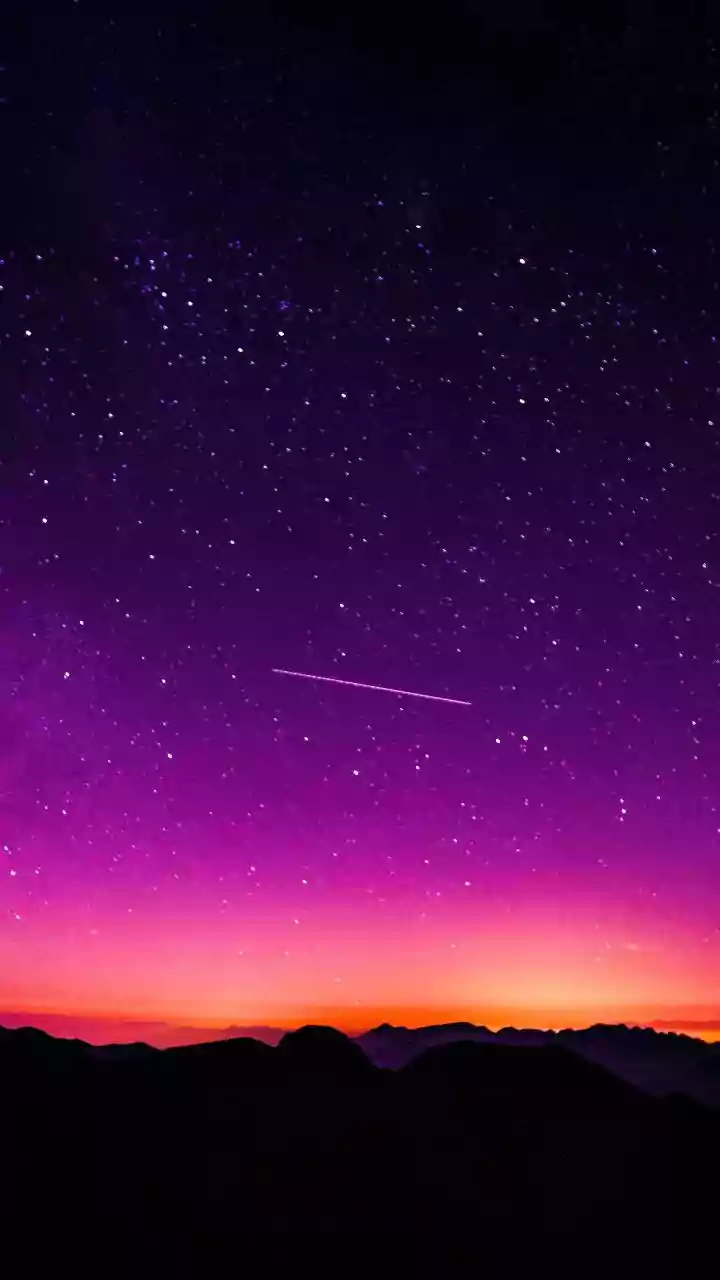
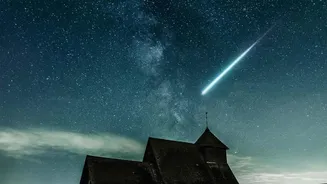
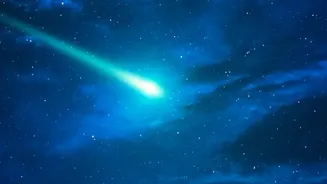
The annual Perseid meteor shower is one of the most brilliant astronomical events, known for its fast, bright meteors that frequently leave long trails of light and colour. These “shooting stars” are actually tiny pieces of debris left behind by the comet
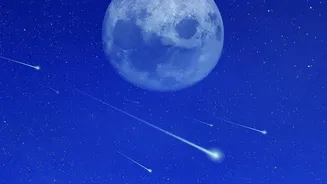
Swift-Tuttle, which burn up as they enter Earth's atmosphere at incredible speeds. This year's shower is active from mid-July to late August, but the best viewing opportunity occurs during its peak. What makes 2026 exceptional is that the peak coincides perfectly with a new moon on the night of August 12-13. This means the sky will be completely dark, allowing even faint meteors to become visible, with rates of up to 100 per hour under ideal conditions.
Best Time and Dates to Watch
To catch the most activity, plan your viewing for the night of Wednesday, August 12, into the pre-dawn hours of Thursday, August 13. While you can spot meteors anytime after dark, the density of shooting stars increases significantly after midnight. For viewers in India, the prime time to watch is between 2:00 AM and 4:30 AM IST on August 13. This is when the Earth turns head-on into the debris stream, and the shower's radiant point—the constellation Perseus—climbs higher in the northeastern sky, maximising the number of visible meteors.
Top Hill Stations for Dark Skies
Escaping artificial light is the single most important factor for a successful viewing. Spiti Valley in Himachal Pradesh is a stargazer's paradise, offering high altitudes, dry air, and almost no light pollution. Villages like Kibber, Langza, and the area around Chandratal Lake are renowned for their crystal-clear skies where the Milky Way is vividly visible. In Uttarakhand, places like Kausani, Mukteshwar, and Munsiyari provide stunning Himalayan backdrops with dark, unpolluted skies. For those in the south, Coorg in Karnataka is an excellent option. Away from the main town of Madikeri, the coffee plantations and hills of southern Coorg offer some of the darkest skies in the Western Ghats, perfect for watching the shower.
Preparing for Your Night of Stargazing
Comfort is key for an enjoyable experience. Even in August, nights in the hills can get surprisingly cold, so dress in warm layers. Pack a blanket, sleeping bag, or a reclining lawn chair to lie back comfortably and look up without straining your neck. To preserve your night vision, use a red-filtered flashlight instead of a bright white one; your phone screen will ruin your dark adaptation. It takes about 30 minutes for your eyes to fully adjust to the darkness, so put your phone away and be patient. Don't forget to bring snacks and a thermos of a hot beverage to stay warm and energised through the early morning hours.
Tips for the Best Viewing Experience
You don't need a telescope or binoculars to watch a meteor shower; your naked eyes are the best tool because they offer the widest field of view. Find a spot with an open view of the sky, away from tall trees or buildings. While the meteors appear to radiate from the constellation Perseus in the northeast, they can flash across any part of the sky. The best technique is to simply lie back, look straight up, and take in as much of the sky as possible. The show is a test of patience, but the reward of seeing a brilliant fireball streak across the cosmos is well worth the wait.