



The Summer Struggle for Pets
As temperatures soar, our pets face a unique challenge. Dogs and cats don't sweat through their skin the way humans do; they primarily cool down by panting and through their paw pads. This process is less efficient in extreme heat and humidity, making
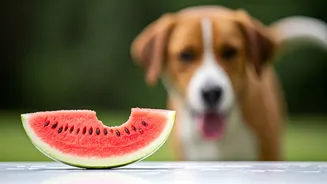
them susceptible to dehydration and overheating. You might notice your pet becoming more lethargic, drinking excessive amounts of water, or seeking cool patches of tile to lie on. While these are normal coping mechanisms, providing extra sources of hydration can make a significant difference in their comfort and well-being. A cool, happy pet is a healthy pet, especially when the mercury is climbing.
Why Watermelon? The Hydration Hero
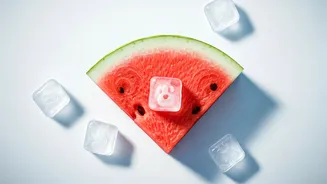
Enter watermelon, summer’s favourite fruit. What makes it a fantastic treat for your pet is its incredibly high water content—around 92%. This makes it a delicious and effective way to supplement your pet’s water intake on a hot day. Beyond hydration, watermelon is a source of pet-friendly nutrients. It’s low in calories and packed with vitamins A, B6, and C, as well as potassium. It also contains lycopene, a powerful antioxidant that is beneficial for overall health. When offered correctly, it’s not just a treat; it’s a nutritious boost that helps your pet beat the heat from the inside out.
The Hack: How to Prepare It Safely
Preparing this cooling snack is simple, but safety is paramount. Follow these steps to ensure the treat is enjoyable and risk-free for your dog or cat. First, start with a seedless watermelon if possible. If not, you must meticulously remove all seeds, both black and white. Seeds can cause intestinal blockages, which can be a serious medical emergency. Next, completely remove the rind. The green rind is tough and difficult for pets to digest, potentially leading to gastrointestinal upset or blockages. Once you have the pure, seed-free flesh, cut it into small, bite-sized cubes appropriate for your pet's size. For a small dog or cat, cubes should be no larger than one inch.
Creative Twists: Frozen Pupsicles and More
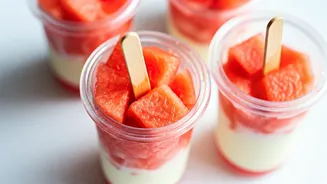
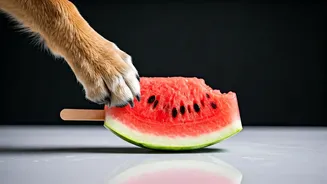
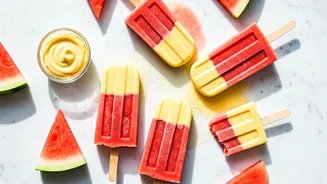
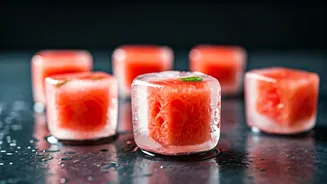
You can elevate this simple hack into an even more exciting treat. One of the easiest and most popular methods is to make frozen 'pupsicles'. Simply place the bite-sized watermelon cubes on a tray and freeze them for a few hours. These frozen chunks provide a longer-lasting, cooling chew that dogs especially love. For another variation, you can blend the seedless watermelon flesh (with a little water if needed) into a purée. Pour this slush into an ice cube tray and freeze for perfectly portioned treats. You can even pour the purée into your pet's bowl as a refreshing 'smoothie' on a particularly hot afternoon. These variations add enrichment and make hydration fun.
Moderation is Key
While watermelon is healthy, it should always be considered a treat. Due to its natural sugar content, it should be given in moderation to avoid adding unnecessary calories to your pet’s diet, especially for those who are overweight or diabetic. As a general rule, treats should not make up more than 10% of your pet's daily caloric intake. For a medium-sized dog, a few one-inch cubes are plenty. For a cat, one or two small cubes is a sufficient serving. Overfeeding can lead to digestive issues like diarrhoea, so always start with a small amount to see how your pet's stomach handles it.
When a Hack Isn't Enough
This watermelon hack is excellent for combating mild heat-related discomfort, but it is crucial to distinguish that from severe agitation or heatstroke, which is a medical emergency. If your pet is showing signs like frantic panting, excessive drooling, bright red gums, vomiting, dizziness, or collapse, they need immediate veterinary attention. Do not rely on a food hack. Move them to a cool, shaded area, offer small amounts of water, and contact your vet immediately while on the way to the clinic. Heatstroke can be fatal, and professional intervention is the only solution.