



Beyond Sightseeing, Into Experience
So, what exactly is passion-driven travel? It’s the art of building a holiday not just around a destination, but around a specific hobby, interest, or passion. [8] Think planning a trip to Coorg not just for the hills, but for a deep-dive coffee tasting
tour, or heading to the Himalayas specifically to conquer a challenging trek. It’s a shift from being a passive observer to an active participant. Instead of just seeing the sights, travellers are learning a skill, pursuing a hobby, or immersing themselves in a cultural event. [3] This trend is a significant part of the larger experiential travel market in India, which is projected to be worth a staggering $45 billion by 2027, driven largely by travellers between 18 and 35 years old. [4, 18]
The Great Indian Culinary Quest
For a growing number of Indians, the quickest way to the heart of a culture is through its stomach. Culinary tourism is booming, with travellers planning entire itineraries around food. [6, 9] This goes far beyond just dining out. People are embarking on guided street food walks in Lucknow, participating in farm-to-table workshops in Rajasthan, and booking homestays in Chettinad to learn the secrets of the region's famously complex spice blends. [12] According to one report, an overwhelming 87% of food experts predict that Indians will travel more specifically to experience culinary culture. [9] This hunger for authentic flavour is reshaping hospitality, with hotels and tour operators now offering everything from immersive cooking classes to curated food trails. [12, 14]
The Call of the Wild Adventure
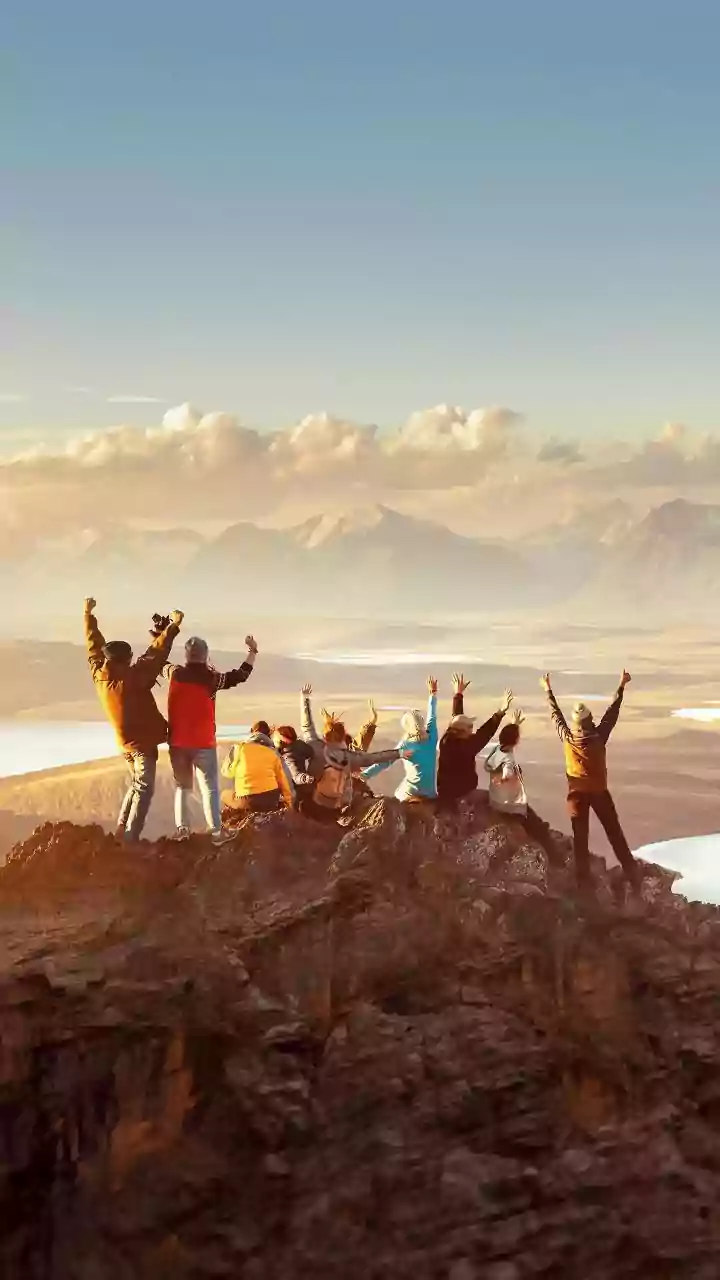
The demand for adrenaline is surging. India's diverse geography offers a massive playground for adventure enthusiasts, and the adventure tourism market is seeing explosive growth, with some estimates projecting a compound annual growth rate of over 20% between 2026 and 2033. [2] Trips are being designed around specific thrills: scuba diving among the coral reefs of the Andaman Islands, white-water rafting on the Ganga in Rishikesh, or paragliding over the valleys of Bir Billing in Himachal Pradesh. [28, 30] It’s not just about extreme sports; trekking remains a huge draw, from beginner-friendly trails in the Western Ghats to formidable high-altitude expeditions in Ladakh like the Chadar Trek. [28, 29] This isn't just a niche market anymore; it's a powerful driver of domestic tourism.
Artistic, Spiritual, and Cultural Pilgrimages
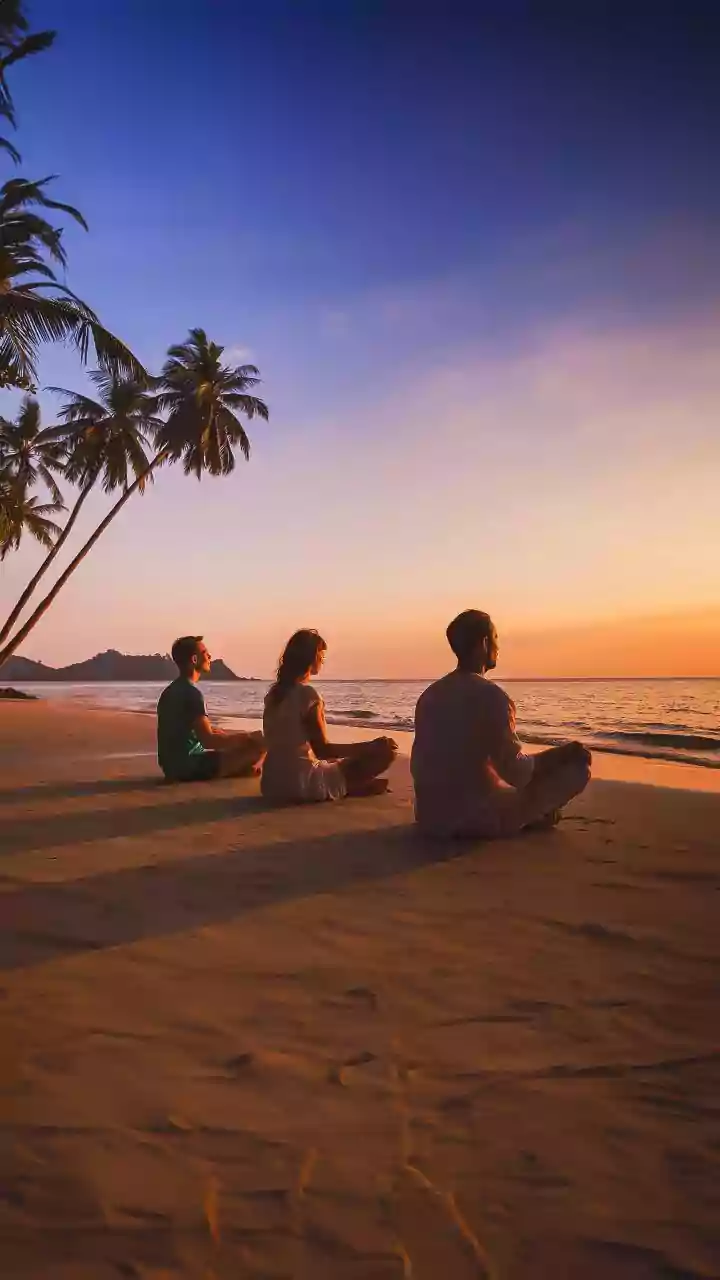
Passion travel isn't limited to food and adventure. A quieter but equally strong trend involves travel for creative, spiritual, and cultural enrichment. 'Bookish trips' are gaining traction, where literary fans visit the real-life settings of their favourite novels, such as the hill stations immortalised by Ruskin Bond. [20] Wellness and spiritual tourism, long a part of India's appeal, are being reframed as immersive retreats, with destinations like Rishikesh and Auroville attracting those looking for yoga, meditation, and mindful living. [3, 31] Furthermore, event-based travel is a major motivator. Indians are increasingly travelling for music festivals like Ziro, literary events such as the Jaipur Literature Festival, or major sporting events, letting a specific date on the calendar dictate their destination. [8, 16]
What's Fuelling This Shift?
Several factors are converging to drive this trend. A key driver is economic: rising disposable incomes, particularly in Tier 2 and Tier 3 cities, mean more people have the means to travel for leisure. [3] Younger generations, especially millennials and Gen Z, are prioritising spending on memorable experiences over material goods. [4, 16] Social media plays a huge role, providing both inspiration and a platform to share unique, skill-based travel stories. [5, 14] The post-pandemic mindset has also contributed, with a greater desire for meaningful, authentic, and less crowded travel experiences. [17, 25] Finally, government initiatives promoting niche tourism and improved infrastructure are making it easier than ever to access once-remote destinations and activities. [5, 17]