




A Structured, Realistic Plan
Wandering into the gym and randomly copying a workout you saw online is a fast track to frustration and potential injury. [3] The single most important essential is a plan. [8, 16] A good beginner's plan focuses on consistency over intensity, helping
you build a habit. [7, 14] It should include a mix of cardio and strength training, targeting major muscle groups throughout the week. [4, 26] Start with two to three gym sessions a week and schedule them in your calendar like any other important appointment. [4] This structure removes the guesswork and mental stress, allowing you to walk in with purpose and confidence, knowing exactly what to do. [16]
Mastery of Form Over Weight
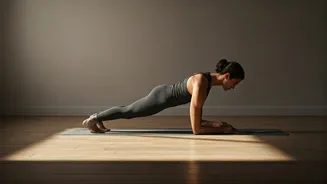
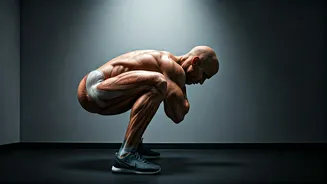
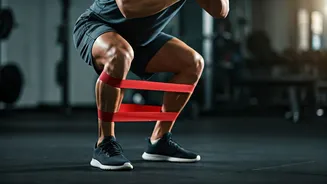
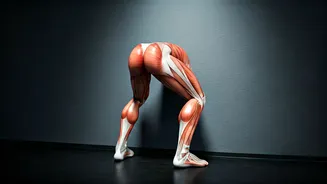
Social media often glorifies lifting heavy, but for a beginner, this is a dangerous path. The real goal should be mastering proper form. [21, 29] Using incorrect technique not only makes your workout less effective but is a leading cause of strains and injuries that can set you back for weeks. [2, 9, 34] Before you even think about adding more plates to the bar, start with lighter weights or even just your body weight to learn the correct movement patterns for foundational exercises like squats, lunges, and push-ups. [9, 31] Perfecting your form ensures you're targeting the right muscles safely and builds a solid base for future progress. [21, 29] Remember, how well you lift is far more important than how much you lift. [21]
The Unglamorous Power of Consistency
The true secret to fitness isn't a magic supplement or a punishing workout; it's showing up consistently. [7, 33] Fitness is built through the accumulation of steady effort over time. [27] Motivation will fade, but discipline and habit are what carry you through. [33] Many beginners quit within the first month because they expect instant results or they push too hard too soon, leading to burnout. [3, 13] Instead, focus on the victory of simply getting to the gym. A consistent routine, even when it's short or not your most intense, is infinitely better than sporadic, heroic efforts. [7] This regular stimulus is what allows your body to adapt, recover, and grow stronger. [18]
Serious Attention to Rest and Recovery
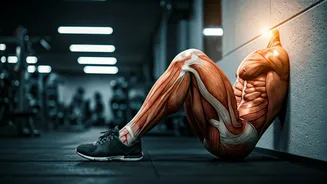
Fitness Reels are all about the grind, but they rarely show the most crucial part of getting stronger: rest. Muscles don't grow in the gym; they grow during recovery. [3] Neglecting rest days can lead to overtraining, fatigue, and a higher risk of injury. [2, 9] A good beginner plan should include at least one to two full rest days per week. [3] On these days, your body repairs muscle tissue, replenishes energy stores, and adapts to the stress of your workouts. [32] Active recovery, like gentle stretching or walking, can also be beneficial. [14] Prioritising sleep is also non-negotiable, as it's when crucial muscle repair and hormonal regulation occur. [24]
Supportive (Not Necessarily Stylish) Footwear
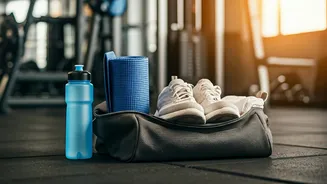
While many online videos showcase trendy sneakers, the most important function of a gym shoe is support, not style. Wearing the wrong footwear, like running shoes for lifting, can lead to instability and increase your risk of injury. [5] For strength training, you need a shoe with a flat, stable sole that keeps your foot connected to the ground during lifts like squats and deadlifts. For general gym use, cross-training shoes are a versatile option. [17] You don't need the most expensive pair; you need a pair that provides good traction and support for the activities you're doing. [34] This is one of the few physical items that truly is an essential from day one. [24]
The Humblest Essential: A Water Bottle
It might seem too basic to mention, but staying hydrated is key to your performance, energy levels, and recovery. [5, 6] Dehydration can significantly impact your workout and leave you feeling fatigued. [8] While most gyms have water fountains, carrying your own bottle is a constant visual reminder to drink water throughout your session, not just when you feel thirsty. [6, 20] You don't need a viral, oversized tumbler; any reusable bottle will do the job. It's a simple, non-negotiable item that supports every other effort you make in the gym. [5]