





What Is a Tasting Menu?
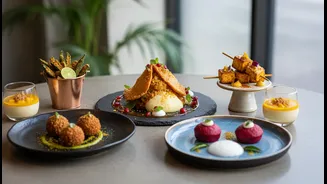
Simply put, a tasting menu, or dégustation menu, is a series of small, curated dishes served as a single meal. Instead of one or two large plates, diners experience anywhere from five to over ten courses. The goal isn't just to fill you up; it's to take
you on a culinary journey. Each plate is a chapter in a story the chef wants to tell, highlighting a specific theme, season, region, or a set of unique ingredients. This format allows for a broader exploration of a chef's skill and vision, moving dining from a functional activity to a form of entertainment and discovery.
The Chef as Storyteller
For chefs across Mumbai, Delhi, and Bengaluru, the tasting menu is a creative playground. It offers the freedom to innovate beyond the commercial pressures of an à la carte menu, where they might have to cook the same bestsellers repeatedly. This format allows them to showcase advanced techniques, tell personal stories, and champion local, seasonal produce. Many chefs see it as a way to connect diners to India's rich agricultural heritage, introducing them to forgotten grains or foraged ingredients from diverse ecosystems like the Himalayas or coastal backwaters. By controlling the entire sequence of the meal, chefs can build a narrative, with each course complementing the last, creating a more cohesive and impactful experience.
The Rise of the Curious Diner
This trend isn't just chef-driven; diners are actively seeking these experiences. In an age of social media and global exposure, urban Indians are more adventurous with their food choices. They are moving away from the idea of a meal being just about large portions and are instead valuing the experience itself. A tasting menu offers novelty, surprise, and a sense of occasion that a standard dinner doesn't. It sparks curiosity, encouraging questions about where an ingredient comes from or why a certain flavour combination was chosen. This shift is particularly visible among younger professionals who crave unique, memorable moments and are willing to invest in an evening of culinary exploration.
An Experience, Not Just a Meal
Experiential dining has become a major force in India's hospitality industry, and tasting menus are at its forefront. Restaurants are transforming into stages for culinary theatre, where presentation, service, and ambience play as crucial a role as the food itself. The multi-course format is inherently photogenic, making it perfect for sharing on social media platforms, which in turn fuels its popularity. A meal can last for hours, turning dinner into a full-fledged evening event that is both engaging and interactive. This focus on the complete sensory journey is what sets the tasting menu apart, making it a memorable social experience rather than just a transaction for food.
A Sign of Culinary Confidence
While tasting menus are often a premium affair, they can be surprisingly economical for restaurants by allowing for precise inventory control and reducing food waste. For diners, the price reflects the value of a multi-hour, immersive event. The growing popularity of this format in India's metros, and even emerging in Tier-2 cities, signals a maturation of the country's dining scene. Chefs are no longer looking to the West for validation but are confidently celebrating India's own diverse culinary identity on the plate. The rise of the tasting menu is more than a fad; it’s a statement about the evolution of Indian food, driven by creative chefs and discerning diners ready for the next chapter.