
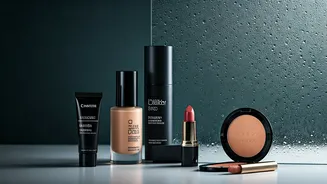



The Real Reason Your Makeup Disappears
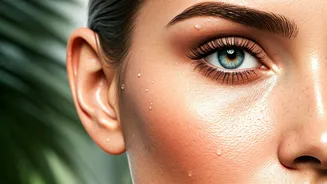
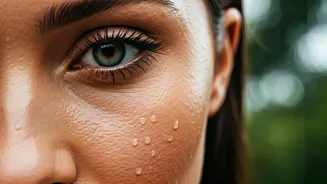
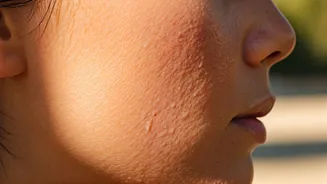
Makeup meltdown is caused by a combination of heat, humidity, sweat, and your skin's natural oils. High temperatures can soften the waxes and oils in your foundation, causing them to literally turn to liquid and slide away. Add humidity to the mix, and the moisture
in the air prevents products from setting properly. Your own sweat and sebum (oil) then work together to break down the layers of makeup you’ve applied, leading to a streaky, patchy finish that gathers in fine lines and around the nose and mouth.
It All Starts With Skin Prep
Long-lasting makeup begins long before you pick up a foundation brush. Think of your skin as a canvas; without proper preparation, the paint won't stick. A good pre-makeup routine is non-negotiable. Start by cleansing your face to remove any dirt and excess oil. Follow up with a lightweight, oil-free, or gel-based moisturiser. Even oily skin needs hydration; dehydrated skin can overcompensate by producing even more oil, making your makeup melt faster. Let your moisturiser fully absorb before moving on to the next step.
Don't Skip the Primer
If there's one secret weapon against melting makeup, it's primer. Primer creates a crucial barrier between your skin and your makeup, giving the products something to grip onto. This not only helps your makeup last longer but also creates a smoother surface by filling in pores and fine lines. For those in humid climates or with oily skin, a mattifying primer is essential. It will help control shine and absorb excess oil throughout the day. Focus the application on your T-zone (forehead, nose, and chin), where oiliness is most common.
Choose Your Base Wisely
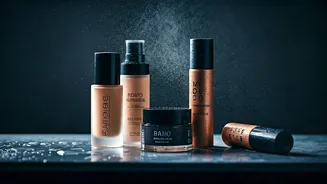
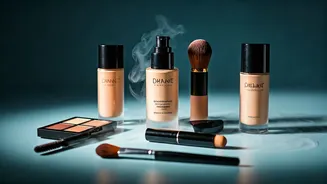
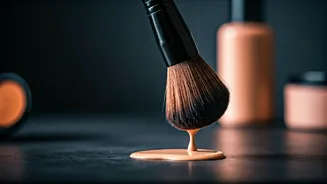
In hot and humid weather, heavy, full-coverage foundations are often a recipe for disaster. They are more likely to feel thick, trap heat, and slide around when you sweat. Instead, opt for lightweight formulas like BB creams, CC creams, or sheer skin tints. These products even out your skin tone without creating a heavy mask, allowing your skin to breathe. When applying, less is always more. Use a damp makeup sponge or a brush to apply thin layers, building coverage only where you need it. This technique prevents the cakey look and ensures your base is more resilient.
The Power of Powder and Spray
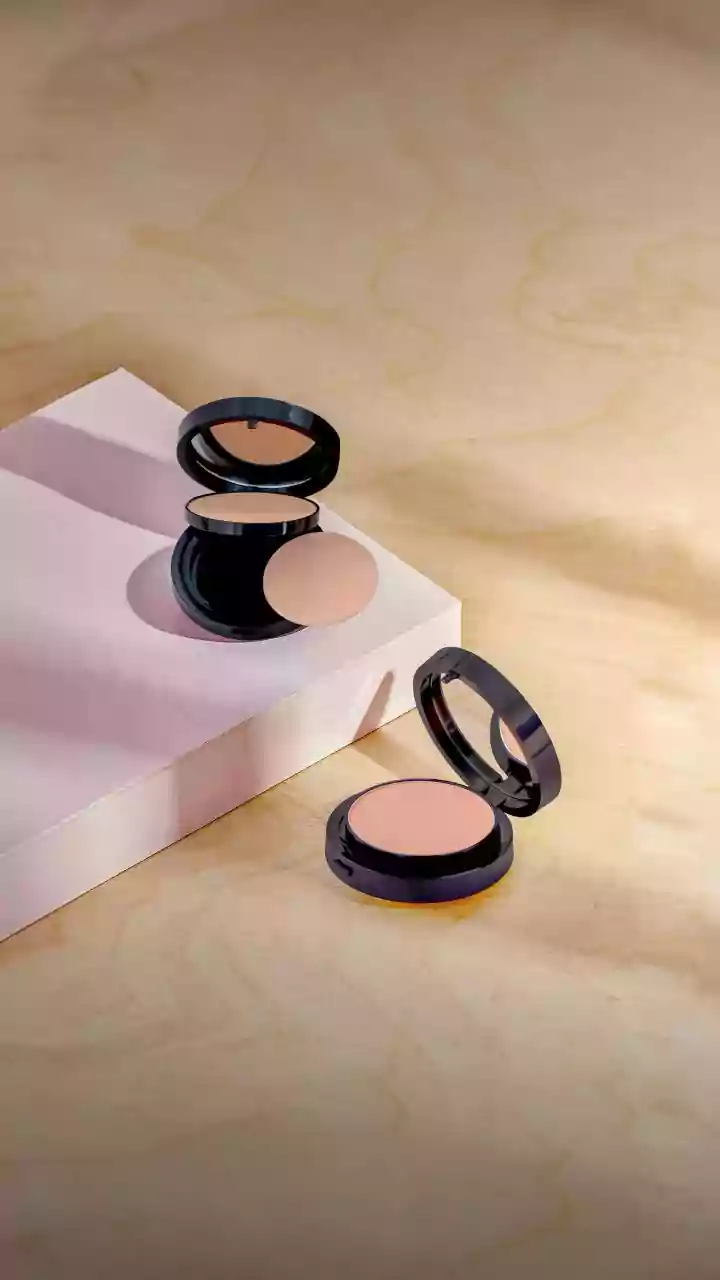
Setting your makeup is the step that locks everything in place. You have two main tools for this: setting powder and setting spray. Setting powder is excellent for absorbing excess oil and creating a matte finish, which is particularly useful for oily skin types. A light dusting of translucent powder, pressed into the T-zone, can prevent shine without looking heavy. A setting spray is the final seal. It's a mist that fuses all the layers of your makeup together, creating a protective film that resists sweat and humidity. For maximum staying power, many makeup artists recommend using both: first powder to control oil, then spray to lock in the entire look.
Smart Touch-Ups Throughout the Day
Even with the best preparation, a little shine might break through on a particularly long or hot day. The key is to touch up smartly. Instead of adding more powder on top of an oily face, which can lead to a cakey mess, use blotting papers first. These thin sheets are designed to absorb oil without disturbing the makeup underneath. Gently press a blotting paper onto shiny areas, lift it away, and then, if needed, you can apply a tiny amount of pressed powder. This two-step process keeps your makeup looking fresh, not heavy.