
The Science of a Good Stretch
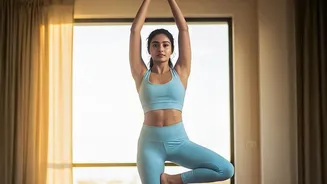
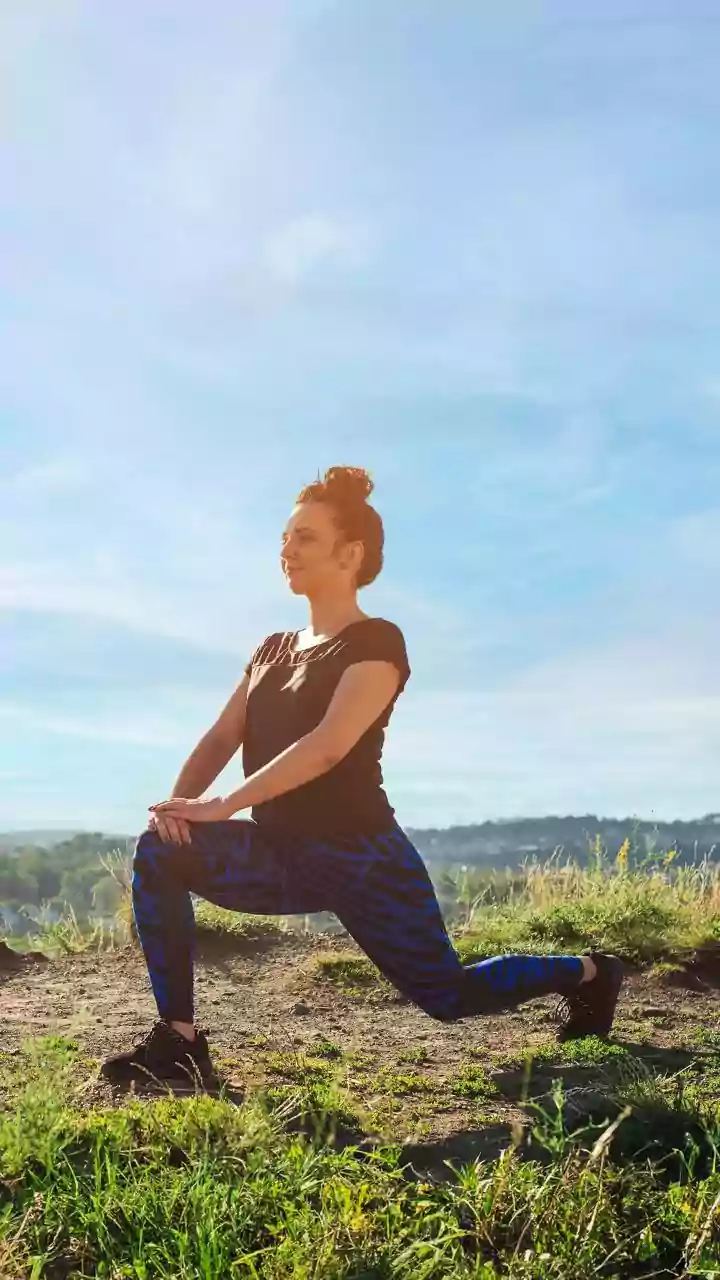
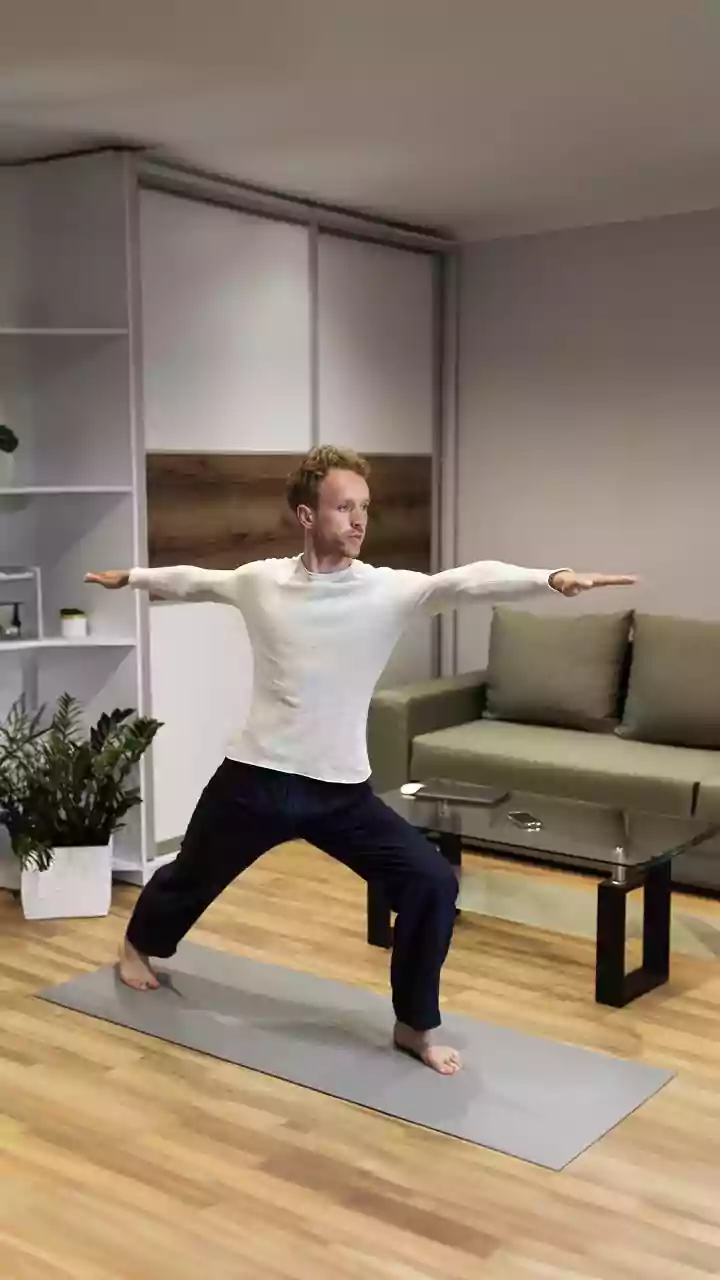
Many people think you have to already be flexible to do yoga, but it is the other way around. Yoga is the tool you use to build flexibility. It works by combining physical poses with focused breathing. This pairing helps relax the nervous system, which
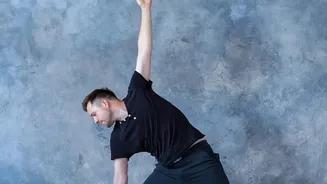
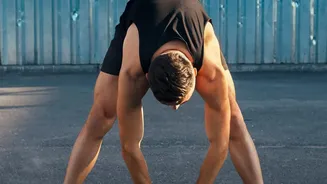
in turn allows your muscles to release tension. When you hold a yoga pose, you are gently lengthening muscle fibres and the connective tissues around them, known as fascia. With repetition, this process encourages your muscles to adapt, reducing stiffness and increasing your overall range of motion.
Consistency Over Intensity
The secret to unlocking flexibility isn't performing pretzel-like poses on day one. It's about consistency. A short, daily practice is far more effective than a long, intense session once a week. Regular, gentle stretching trains your body and muscles, creating 'muscle memory' that helps you deepen your flexibility over time. Studies have shown that people can improve their flexibility by up to 35% after just eight weeks of a consistent yoga practice. This shows that small, steady efforts yield the biggest rewards.
1. Cat-Cow Pose (Marjaryasana-Bitilasana)
This is one of the most fundamental yoga sequences for a reason. It is a gentle and effective way to warm up the spine and improve its flexibility. To perform Cat-Cow, start on your hands and knees in a 'tabletop' position. As you inhale, drop your belly, lift your chest and tailbone, and look forward (Cow Pose). As you exhale, round your spine toward the ceiling, tuck your chin to your chest, and press into your hands (Cat Pose). Flowing between these two poses massages the spine, relieves tension in the neck and shoulders, and prepares the body for deeper stretches.
2. Downward-Facing Dog (Adho Mukha Svanasana)
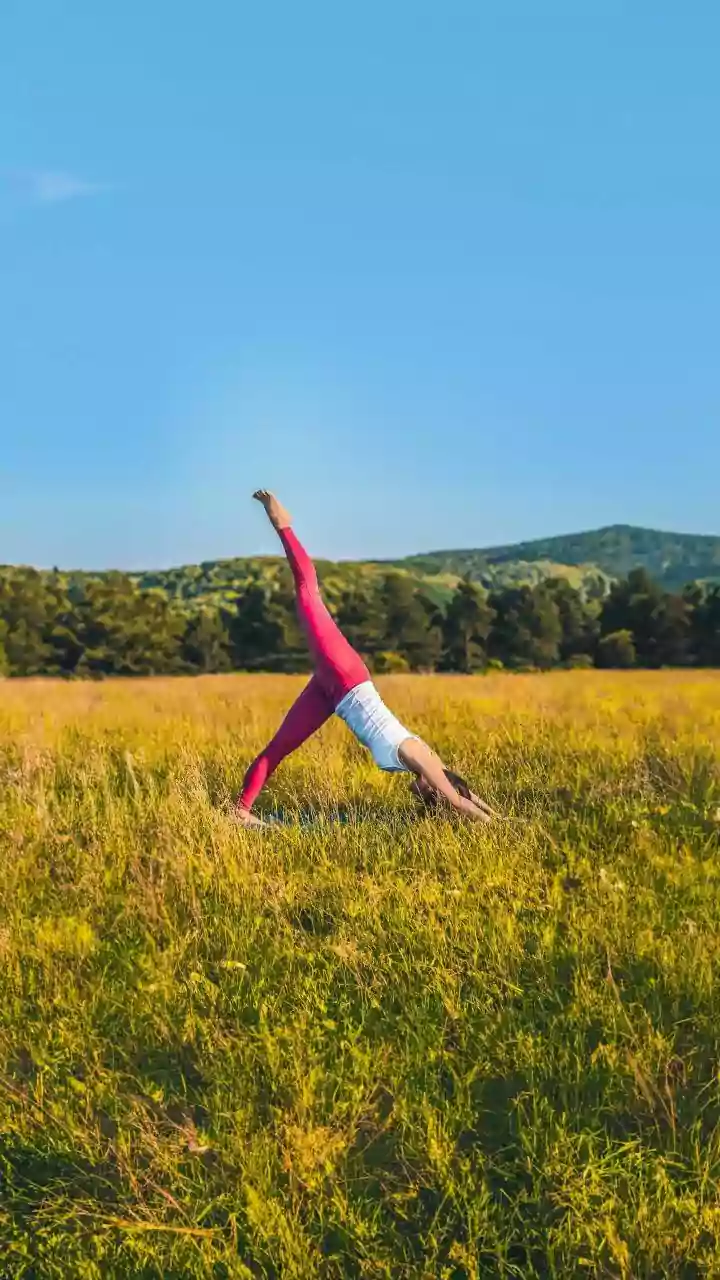
A cornerstone of modern yoga, Downward-Facing Dog is a full-body stretch that targets several key areas at once. From your hands and knees, tuck your toes and lift your hips up and back, forming an inverted 'V' shape with your body. It's important for beginners to keep a slight bend in the knees to avoid straining the lower back. This pose brilliantly stretches the hamstrings, calves, and the entire length of your back. With regular practice, it builds strength in the arms and shoulders while lengthening the spine.
3. Seated Forward Bend (Paschimottanasana)
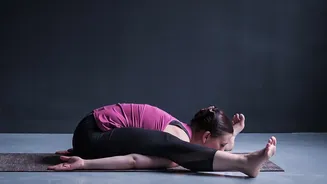
This pose provides an intense stretch for the entire back of the body, from your heels to your neck. Sit on the floor with your legs extended straight in front of you. As you inhale, lengthen your spine. As you exhale, hinge at your hips and begin to fold forward over your legs. Don't worry about touching your toes; the goal is to keep your back straight and fold from the hips. This asana is incredibly effective for tight hamstrings and a stiff lower back, common issues for those who sit for long periods.
4. Butterfly Pose (Baddha Konasana)
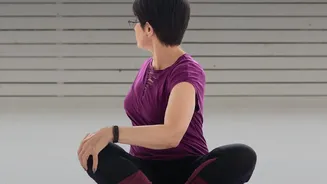
If you have tight hips, this pose is your new best friend. Butterfly Pose specifically targets the inner thighs, groin, and hips, improving joint mobility in the lower body. To practice it, sit on the floor and bring the soles of your feet together, letting your knees fall out to the sides like the wings of a butterfly. You can hold onto your feet or ankles. For a gentle stretch, sit tall. To deepen it, you can slowly fold forward. This pose is very calming and an excellent way to release stored tension in the hips.
5. Child's Pose (Balasana)
Child's Pose is a resting posture that offers a gentle stretch for the hips, thighs, and ankles while relieving back and neck pain. Start on your hands and knees, then sit back on your heels and fold forward, resting your forehead on the floor. Your arms can be stretched out in front of you or rest alongside your body. It's a fantastic pose for beginners because it allows you to connect with your breath and release tension throughout your entire back body. It's the perfect pose to return to anytime you need a rest during your practice.