



A Shift in National Wanderlust
The familiar rhythm of Indian travel is changing. While iconic monuments and bustling cities will always have their allure, a growing number of domestic travellers are looking beyond the conventional checklist. There is a clear and growing appetite for
experiences that are slower, more immersive, and deeply connected to nature and local culture. This shift, accelerated by a post-pandemic desire for open spaces and authentic connections, is setting the stage for a new chapter in Indian tourism. Travellers are increasingly seeking escapes that offer peace and a genuine departure from urban life, creating a fertile ground for destinations that were once considered off the beaten path.
The Call of the Wild, Reimagined
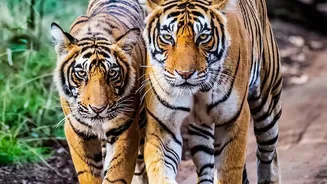
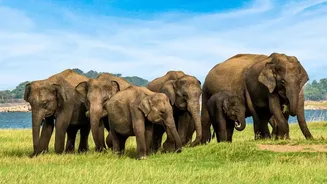
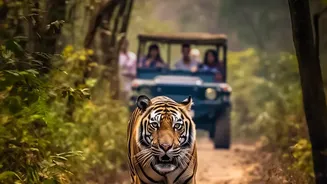
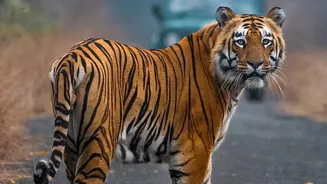
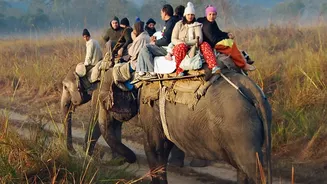
Wildlife tourism in India has long been synonymous with the thrill of a tiger safari. While the quest to spot big cats remains a powerful draw, the sector is broadening its appeal. The wildlife tourism market in India is projected to grow at a compound annual rate of over 10% between 2026 and 2033. This growth is not just about more safaris; it is about a more nuanced appreciation of the wild. Travellers are now engaging in naturalist-led walks, birding expeditions, and conservation-focused stays. This evolution moves beyond mere sightings to foster a deeper understanding of ecosystems. Lodges and tour operators are responding by creating immersive journeys that focus on the entire forest, not just its most famous inhabitants, and by integrating local communities into their operations to ensure the benefits of tourism are shared.
Rediscovering India's Heartland
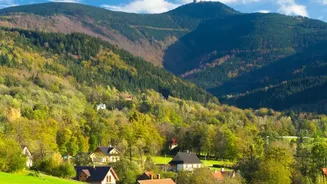
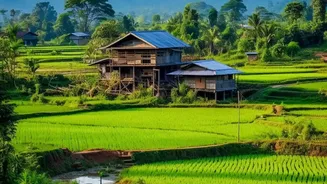
Parallel to the call of the wild is the rediscovery of India’s rural soul. With nearly 70% of its population in villages, India has a vast, untapped potential for rural tourism. This isn't just about farm stays; it is about showcasing the rich tapestry of rural life, art, culture, and heritage. The goal is to create an interactive experience where tourists can participate in farming activities, learn a local craft, or simply absorb the pace of village life. By generating income for youth and women in these areas, rural tourism can also help reduce migration to cities and preserve local traditions.
Driven by Policy and Passion
This emerging trend is supported by significant government policy. The Ministry of Tourism’s revamped Swadesh Darshan 2.0 scheme has shifted focus from building broad circuits to developing specific destinations in a sustainable and responsible manner. The scheme now actively promotes rural and tribal tourism, even providing financial support for the development of homestays. For instance, the 'Development of Homestays in Tribal Areas' initiative aims to create 1,000 such stays, empowering tribal communities and enhancing livelihood opportunities. This top-down push is complemented by a bottom-up passion from eco-conscious startups and a new generation of travellers who use social media to champion hidden gems, creating a powerful cycle of discovery and demand.
Sustainability: The Path Forward
As these sectors grow, the primary challenge is ensuring sustainability. The aim is to avoid the pitfalls of over-commercialisation that have plagued more traditional tourist hubs. This means developing infrastructure that is in harmony with the environment, managing carrying capacities to prevent ecological damage, and ensuring that local communities are primary stakeholders, not just service providers. States like Kerala, with its Responsible Tourism Mission, and Sikkim, as a fully organic state, offer successful models. The focus is on creating a form of tourism where the environment is protected, the local economy benefits directly, and the traveller leaves with a richer, more meaningful experience.