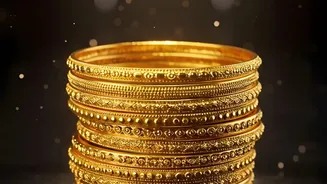







A Golden Festive Season
Jewellers across the country reported a significant uptick in business during the recent festive period, with gold sales estimated to have crossed Rs 60,000 crore. The All India Gem and Jewellery Domestic Council (GJC) noted strong consumer demand, attributing
the robust sales to a combination of cultural traditions and attractive pricing. The festive days of Dhanteras and Diwali are considered highly auspicious for buying gold, as the metal is deeply linked to Lakshmi, the Hindu goddess of wealth and prosperity. Families believe that purchasing gold during this time invites good fortune into their homes for the coming year, a tradition that continues to drive one of the most significant annual shopping events in the country.
Decoding the Price Correction
A key driver behind this year's sales boom was a notable 'correction' in gold prices. The headline figure of Rs 1.8 lakh, while dramatic, points to a real phenomenon: gold had become cheaper just in time for the festivities. Earlier in 2026, gold prices reached a record peak, with some reports citing levels as high as Rs 1.81 lakh to Rs 1.85 lakh per 10 grams in January. By the time Dhanteras arrived on November 6, prices for 24-carat gold had softened considerably, hovering around the Rs 1.43 lakh to Rs 1.46 lakh mark in major cities like Delhi. This drop from the year's peak made the precious metal seem more accessible and 'attractively' priced to consumers who had been watching the volatile market, strengthening their confidence to buy.
What Moved the Market?
The fluctuation in gold prices isn't just a local affair; it’s tied to a complex web of global economic factors. Throughout 2026, international gold prices have been volatile. A primary influence has been the monetary policy of the US Federal Reserve. When the Fed indicates it might raise interest rates, it makes interest-bearing assets like bonds more appealing than non-yielding assets like gold, which can put downward pressure on gold prices. A strengthening US dollar also plays a role, as gold is priced in dollars globally. When the dollar is strong, gold becomes more expensive for buyers using other currencies, which can dampen demand. The pullback in prices before Diwali was a result of these macroeconomic forces aligning, creating a window of opportunity for Indian buyers.
Shifting Consumer Habits
While the value of sales was high, industry experts noted a subtle shift in what consumers were buying. The volume of gold sold was estimated to be similar to last year, indicating that the higher overall price, despite the correction, still influenced purchasing decisions. Many buyers gravitated towards lightweight jewellery such as pendants, chains, and bangles. There was also strong demand for lower-purity options like 18-carat and 14-carat ornaments, which offer the traditional appeal of gold at a more accessible price point. Furthermore, the trend of investing in small gold coins and bars, weighing between one to five grams, continued to grow, reflecting a dual interest in gold as both a cultural token and a secure investment.