



The World Takes Notice
The secret is out. In its much-anticipated 'Best in Travel 2026' list, Lonely Planet spotlighted Kerala's food as one of the top 25 best experiences in the world. [2, 5, 6] Titled “Dig in to Kerala's Culinary Culture,” the feature celebrated the state
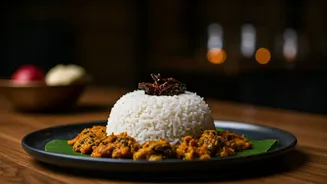
as a haven for gastronomic adventurers and was the only Indian entry to make the prestigious list. [2, 7, 8] This isn't just a fleeting mention; it’s a global endorsement that shifts the narrative. The food is no longer just a part of a trip to Kerala; it is the reason for the trip. [6] This recognition follows a trend of increasing global curiosity, with platforms like Taste Atlas consistently cataloguing and ranking beloved local dishes, from Appam to Karimeen Pollichathu, bringing them to a worldwide audience. [3, 4, 18]
A Symphony of Spices and Coconuts
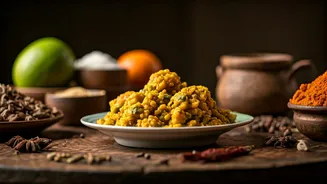
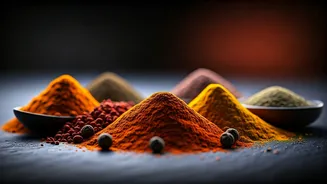
So, what makes this cuisine so captivating? It begins with geography. The Malabar Coast was the heart of the ancient spice trade, drawing traders from across the globe for its black pepper, cardamom, cloves, and turmeric. [5] These spices are the soul of Keralan food, but they are used with a unique finesse—often freshly ground and paired with coconut in its many forms: milk, oil, and grated flesh. This combination creates a flavour profile that is aromatic and layered, yet distinct from the culinary traditions in other parts of India. [5, 7] From the fiery fish curries to the subtly spiced stews, the dishes tell a story of the land itself. [5]
A Land of Incredible Diversity
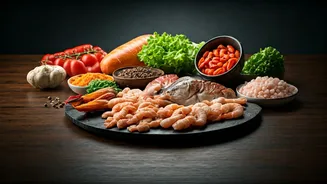
To talk of a single 'Kerala cuisine' is to miss the point entirely. As Lonely Planet rightly notes, the food varies enormously across the state. [2, 8] The north boasts the rich, layered flavours of Mappila (or Malabar) cuisine, famous for its distinctive biryanis and seafood preparations. [7] The Syrian Christian communities in central Kerala are known for their magnificent stews, often pairing soft, lacey appams with chicken or mutton. [2] Further south, the food often features a more pronounced use of coconut and tangy tamarind. This diversity is a direct reflection of Kerala's history, with centuries of influence from Arab, Chinese, and European traders enriching its culinary fabric. [5, 7]
More Than a Meal: Sadya and the Culture of Feasting
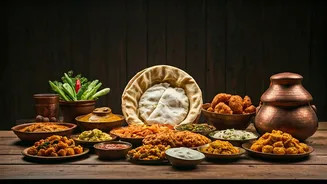
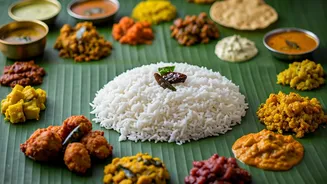
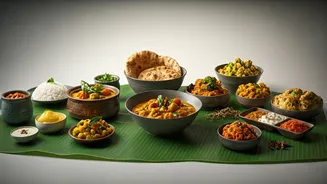
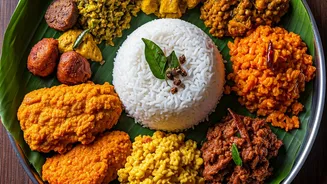
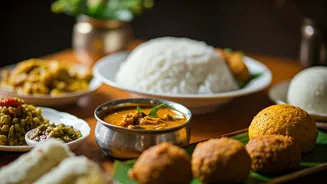
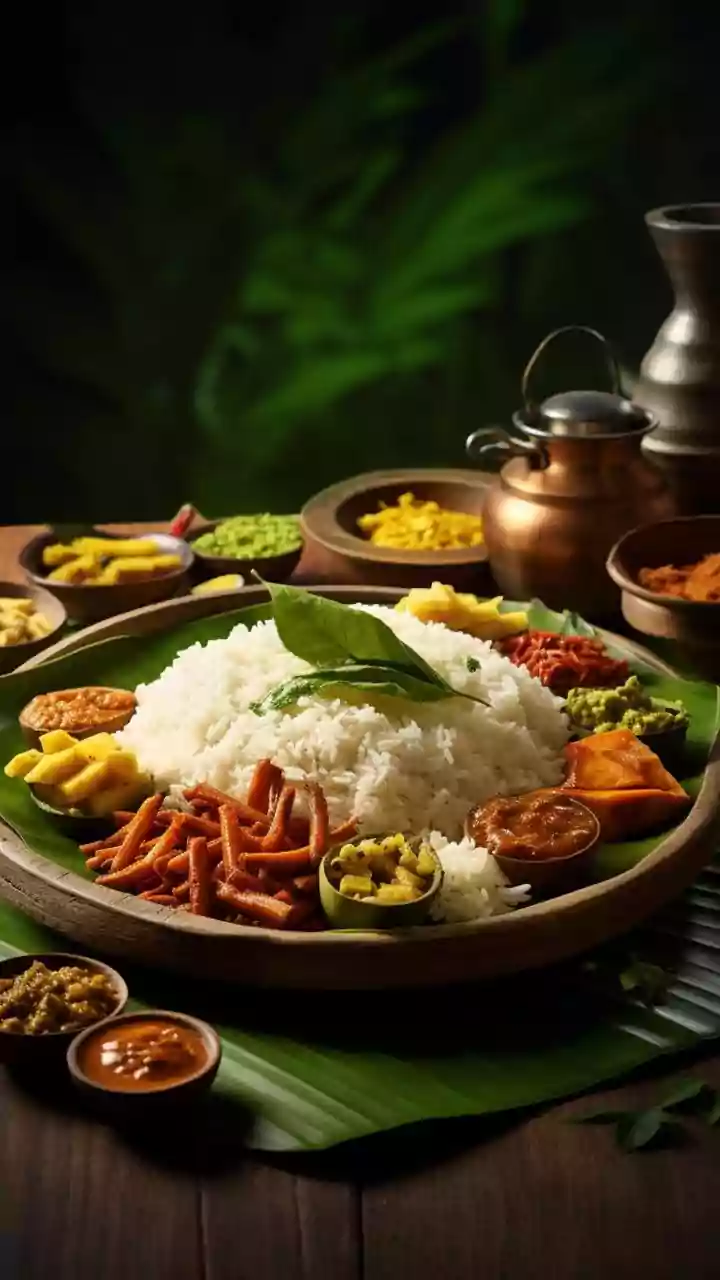
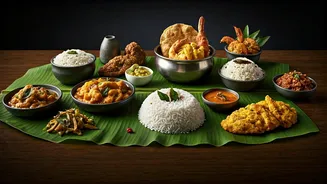
No exploration of Kerala's food is complete without mentioning the magnificent Sadya. This traditional vegetarian banquet is the centrepiece of any celebration and is an experience in itself. [7] Served on a fresh banana leaf, a Sadya can feature up to two dozen dishes, showcasing a breathtaking spectrum of flavours—sweet, sour, salty, and spicy. [8] You'll find staples like Avial (a mixed vegetable stew in a coconut-yoghurt gravy), Thoran (stir-fried vegetables with grated coconut), tangy Injipuli (a ginger and tamarind pickle), and fragrant Rasam. [4, 5, 8] This elaborate feast is a testament to the region's love for food and the cultural importance of sharing a meal. [8]
Kochi: The Culinary Gateway
For those looking to dive headfirst into this culinary world, many guides point to one city: Kochi. [2, 5] Named by Condé Nast Traveller as one of the best places to visit in Asia, the city is a melting pot of flavours. [16, 17, 19] Its historic spice-trading quarters in Mattancherry are home to over 30 communities, each with its own culinary traditions. [5] Evening food walks through its streets reveal everything from freshly caught seafood to dishes that blend Indian tastes with Chinese and European influences. [5, 7] The city’s recent recognition, including local honours like the Manorama Online Golden Clove Awards which crowned a Kochi restaurant 'Restaurant of the Year', further cements its status as a must-visit hub for food lovers. [12, 15]