

Revolutionising Remote Healthcare
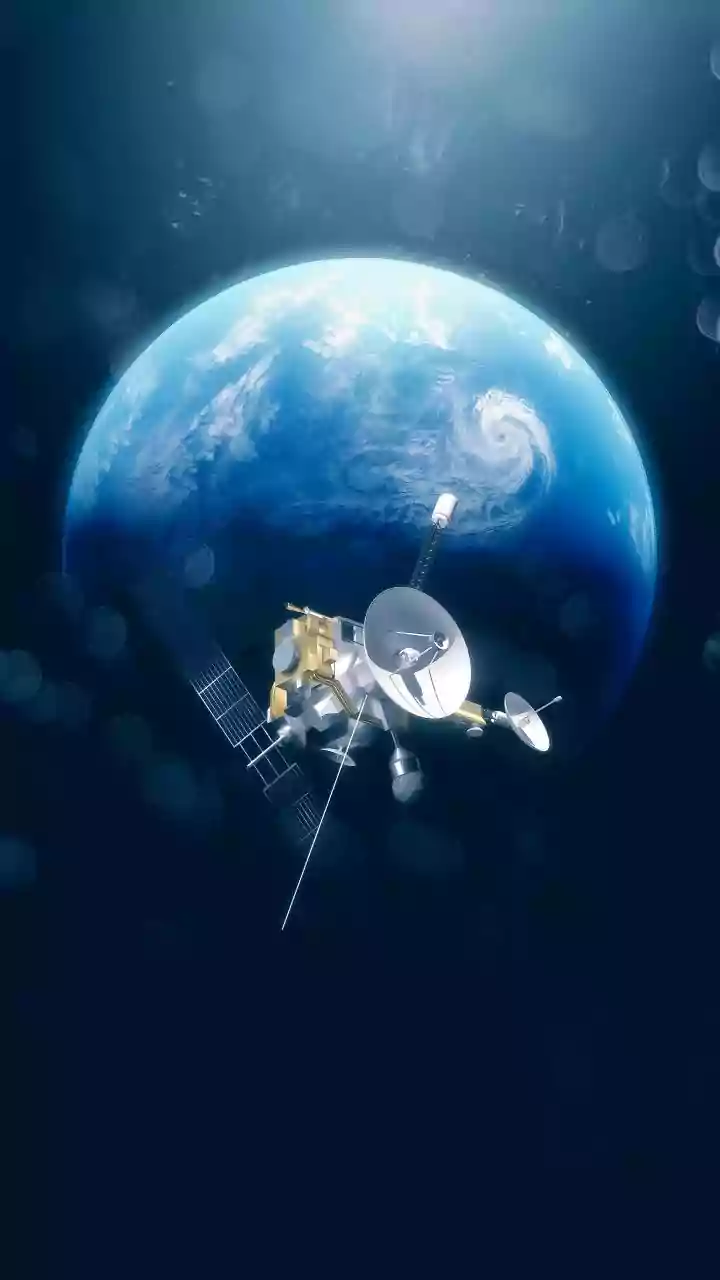
To keep astronauts safe hundreds of kilometres from the nearest hospital, ISRO has had to perfect the art of remote medicine. This involves using satellite technology to transmit real-time health data and conduct medical consultations from afar. This very
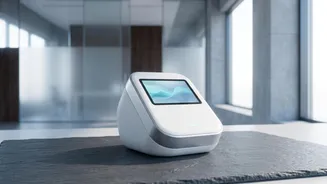
same capability is a game-changer for India's terrestrial healthcare needs. ISRO's advancements in VSAT-enabled medical units and satellite-based telemedicine can connect doctors in urban centres with patients in remote and rural villages where specialist care is scarce. This technology bridges critical gaps, allowing for expert diagnoses and monitoring without the need for difficult and time-consuming travel, effectively bringing the hospital to the patient.
Aiding the Fight Against Ageing
Astronauts in microgravity experience accelerated bone density loss and muscle weakening, conditions strikingly similar to osteoporosis and muscle atrophy seen in the elderly on Earth. Research conducted by ISRO and its partner institutes like AIIMS to counteract these effects in space provides invaluable data for managing age-related ailments. Studying how to maintain musculoskeletal health in space helps scientists develop better exercise regimes, nutritional plans, and potential therapies for those with mobility issues, recovering from long periods of bed rest, or simply navigating the challenges of ageing. Every solution designed to keep an astronaut strong is a step toward improving quality of life for senior citizens.
Advancing Personal Health Monitoring
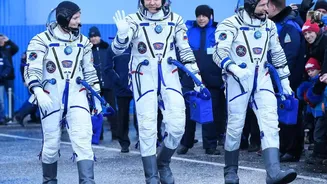
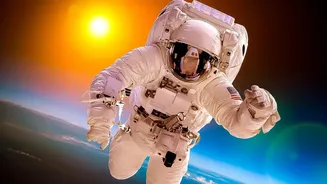
An astronaut's suit is packed with compact, non-invasive sensors that continuously monitor vital signs like heart rate, oxygen levels, and more. The need to create these tiny, durable, and highly accurate medical devices for space missions directly fuels the evolution of wearable health technology for the general public. These advancements, driven by organisations like ISRO, lead to better and more affordable smartwatches and health trackers that can monitor chronic conditions like diabetes or heart disease from home. This enables early detection of potential health issues, reduces the burden on hospitals, and empowers individuals to take a more active role in managing their own health.
Improving Water and Air Purity
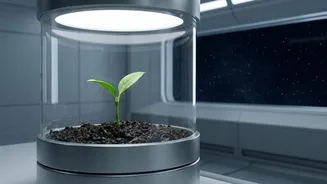
On a long-duration space mission, every resource is precious. Creating life support systems that can recycle water and purify air is not just a luxury; it is a necessity for survival. The advanced filtration and purification technologies developed to ensure astronauts have safe water to drink and clean air to breathe have direct and powerful applications on Earth. These systems, often developed to be lightweight and efficient, can be adapted to provide clean drinking water in areas facing scarcity or contamination. Similarly, air purification filters designed for sealed spacecraft cabins can be used in hospitals to control infection or in homes to improve air quality, tackling terrestrial problems with space-age solutions.
New Frontiers in Mental Wellness
The psychological toll of being isolated in a confined space far from home is one of the biggest challenges for astronauts. India's space medicine programme places a strong emphasis on behavioural health, studying the effects of stress and isolation and developing countermeasures to ensure mental resilience. The techniques and support systems created for the Gaganyaan crew, from stress management exercises to virtual support networks, are highly relevant for people in high-pressure jobs, those experiencing loneliness, or anyone navigating mental health challenges on Earth. This research helps us better understand the human mind and develop new strategies to promote psychological well-being for everyone.