




More Than Just a Light Show
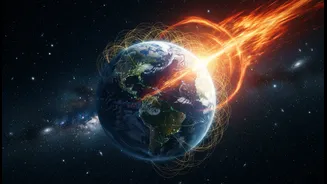
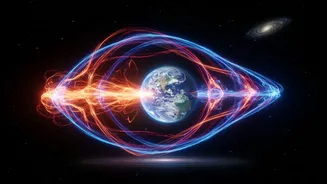
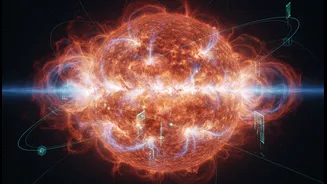
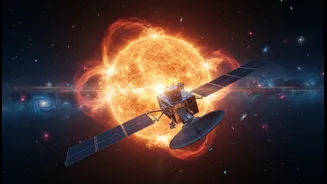
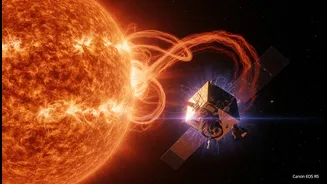
Space weather refers to the variable conditions in space caused by the Sun's activity, such as solar flares and coronal mass ejections (CMEs). While these phenomena can create spectacular auroras, their impact is far from benign. When massive bursts of
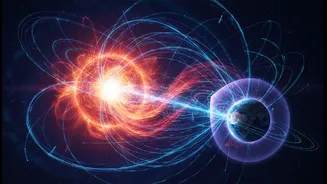
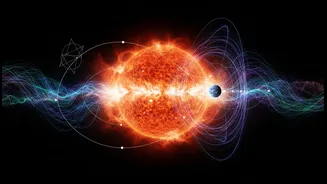
energy and particles from the Sun reach Earth, they can interact with our planet's magnetic field and upper atmosphere, creating what are known as geomagnetic storms. These storms are the source of significant risk, capable of disrupting the very technologies that underpin modern life. For students, understanding this is the first step in moving space weather from an abstract chapter in a physics textbook to a tangible, real-world issue with profound consequences.
Our Modern World's Invisible Weakness
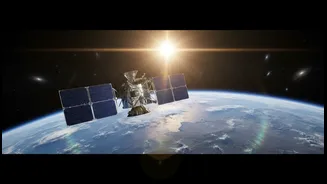
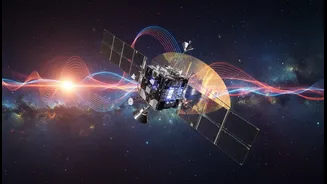
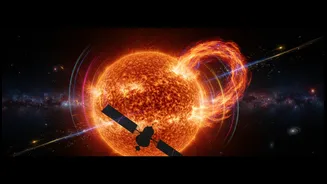
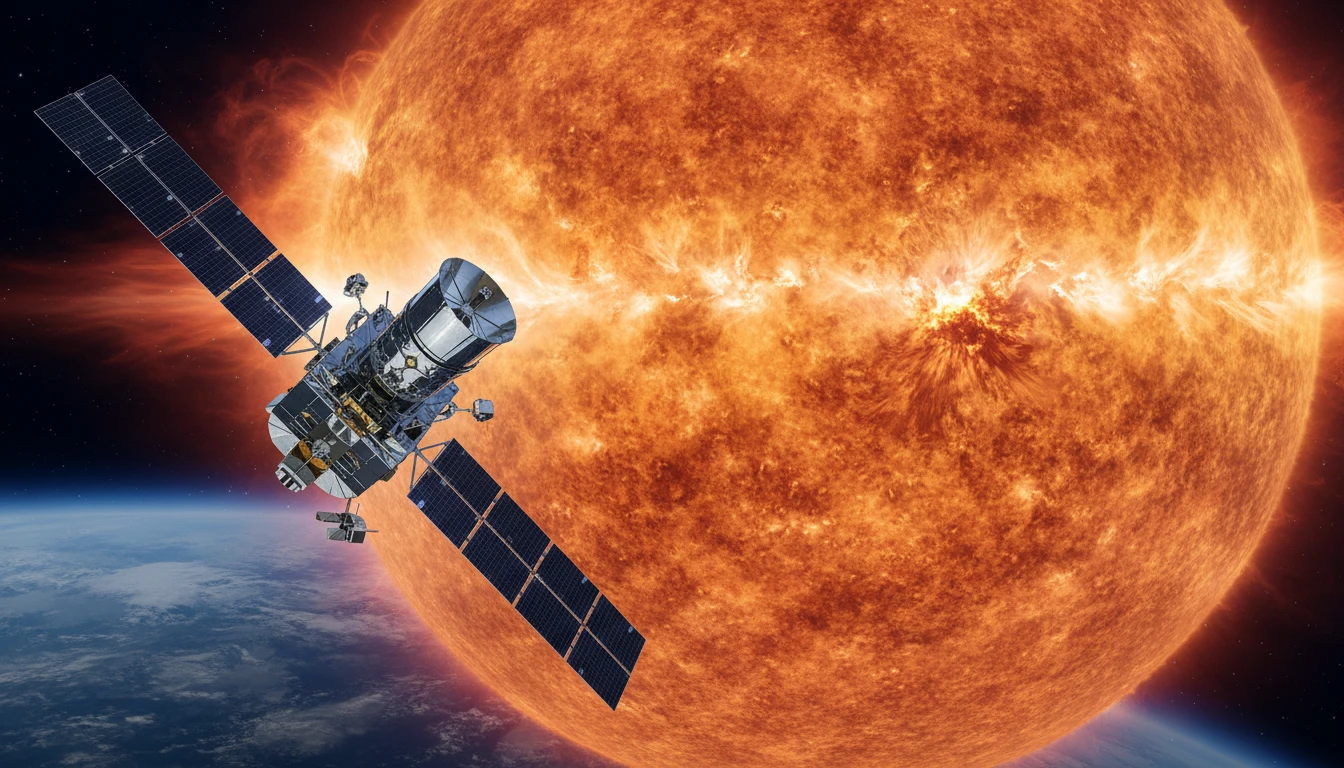
Our reliance on technology makes us increasingly vulnerable to space weather. A severe geomagnetic storm could induce powerful electrical currents in power grids, potentially causing widespread blackouts and damaging critical transformers. Communications and navigation systems are also at risk. GPS signals, essential for everything from aviation and shipping to precision agriculture and ride-sharing apps, can be degraded or lost entirely during intense solar activity. Satellites, which form the backbone of global communication, financial transactions, and weather forecasting, can suffer electronic damage or even be knocked out of commission. In February 2022, SpaceX lost 40 of its Starlink satellites to a geomagnetic storm shortly after launch, a stark reminder of the financial and operational risks. The potential economic fallout is staggering, with some estimates suggesting a severe event could cause trillions of dollars in losses.
A Growing Field of Urgent Careers
The increasing threat of space weather has created a demand for professionals who can understand, predict, and mitigate its effects. This is no longer a niche for a handful of research astronomers. Today, a variety of industries need space weather expertise. Space weather forecasters analyze solar data to issue warnings, much like terrestrial weather forecasters. Satellite operators, aviation companies, and power grid managers use these forecasts to take protective measures. Engineers are needed to design more resilient hardware, while data scientists and software developers create models to improve prediction accuracy. In India, the Aditya-L1 mission, ISRO's first space-based solar observatory, underscores the country's commitment to understanding and forecasting space weather, creating a need for skilled human resources in this domain. Initiatives like the ISRO-IIG Space Weather Summer School are already working to train the next generation of specialists.
From Theoretical Physics to Practical Skills
To meet this growing demand, the educational approach to space weather must evolve. It should be integrated not just into physics and astronomy courses, but also into engineering, computer science, and even public policy programs. Instead of solely focusing on the theoretical physics of the Sun, curricula should emphasize practical applications. This means hands-on projects, such as building simple magnetometers to track local magnetic field changes or analyzing real data from missions like Aditya-L1. Internships with organisations like ISRO, the Indian Institute of Geomagnetism (IIG), or private aerospace companies can provide invaluable experience. By framing space weather as a field of applied risk management and engineering, we can better prepare students for the critical jobs that will protect our future infrastructure.