



The Myth: A Green Solution to Indoor Pollution
The belief that houseplants are nature's air purifiers largely stems from a landmark 1989 NASA study. In an effort to find ways to clean the air in sealed space stations, researchers placed common houseplants in small, sealed chambers and introduced volatile
organic compounds (VOCs) like formaldehyde and benzene. The results were promising: plants like the Peace Lily, Snake Plant, and Spider Plant were shown to remove a significant percentage of these harmful chemicals from the contained air. This single study sparked a decades-long wellness trend, with many articles and plant labels touting the air-filtering capabilities of our leafy friends. The idea was simple and appealing: buy a few plants, and create a healthier home environment by naturally scrubbing the air of pollutants emitted from furniture, paints, and cleaning products.
The Reality: Lost in Translation from Lab to Living Room
The problem, as many researchers now point out, is that our homes are nothing like a small, sealed NASA chamber. A 2019 review that analyzed decades of research on the topic concluded that the air-purifying effects observed in labs are practically negligible in a real-world building. The primary reason is ventilation. Even in well-sealed homes, the air is constantly being exchanged with the outside, a process that building scientists call the "air exchange rate". This natural airflow dilutes pollutants far more quickly and effectively than a few houseplants ever could. So, while the science of the original NASA study isn't flawed, its findings were overextended and misapplied to typical indoor settings where the physics of air movement are completely different.
The Numbers Just Don't Add Up
To truly replicate the air-cleaning effects seen in lab studies, the number of plants required is staggering. Researchers have calculated that you would need anywhere from 10 to 1,000 plants per square meter of floor space to make a meaningful difference in a room's air quality. That means a typical 1,500-square-foot home might need over 680 plants to compete with the building's natural ventilation. Bill Wolverton, the NASA scientist who led the original study, recommended a more manageable two good-sized plants per 100 square feet, but even this is more of a guideline than a scientifically proven formula for pure air. The bottom line from recent analyses is clear: for truly fresh air, you're much better off opening a window or using a mechanical air purifier.
The Real Benefit: It's for Your Mind, Not Your Lungs
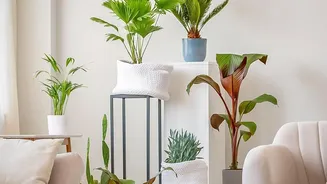
Just because houseplants are not the air-purifying powerhouses we hoped for doesn't mean they are useless. In fact, their most significant benefits may be psychological. Numerous studies have shown that interacting with plants can reduce stress and anxiety. A 2015 study found that caring for indoor plants reduced both psychological and physiological stress by lowering blood pressure and suppressing the body's stress hormone, cortisol. People often report feeling calmer and more comfortable in environments that contain plants. The simple act of nurturing a living thing, watching it grow, and bringing a touch of nature indoors can have a profound impact on our mental well-being and happiness.
So, Which Plants Should You Get?
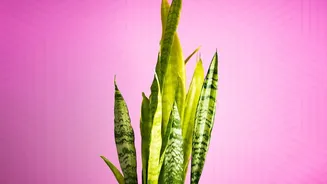
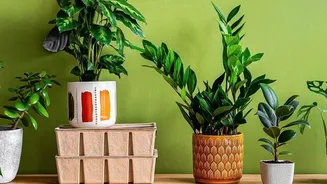
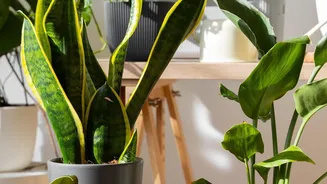
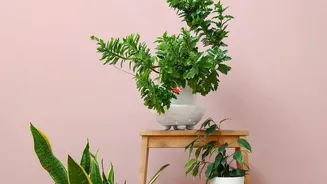
Instead of chasing the myth of air purification, it's better to choose plants for their aesthetic appeal and the joy they bring. If you're looking to start your plant journey, focus on resilience and beauty. The Snake Plant (Sansevieria trifasciata) is famously hard to kill and thrives on neglect. The Spider Plant (Chlorophytum comosum) is easy to care for and produces charming baby plants. The ZZ Plant (Zamioculcas zamiifolia) is another nearly indestructible option that tolerates low light. These plants will add a welcome splash of green to your home, boosting your mood and enhancing your decor, which are benefits you can actually see and feel.