


Mastering the Downpour: Rainwear
An umbrella simply won't cut it against the wind and intensity of monsoon showers in the Ghats. A lightweight, breathable, and fully waterproof rain jacket is non-negotiable. Look for one with a proper hood and sealed seams. A rain poncho is another excellent
option, offering wider coverage that can also protect your daypack. For complete protection, especially for bikers, a full rain suit with a separate jacket and pants is ideal. The goal is to stay dry without trapping sweat, so breathability is as important as waterproofing.
The Right Foot Forward: Footwear
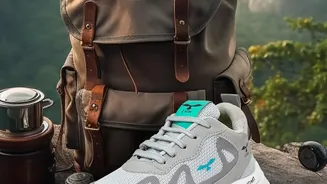
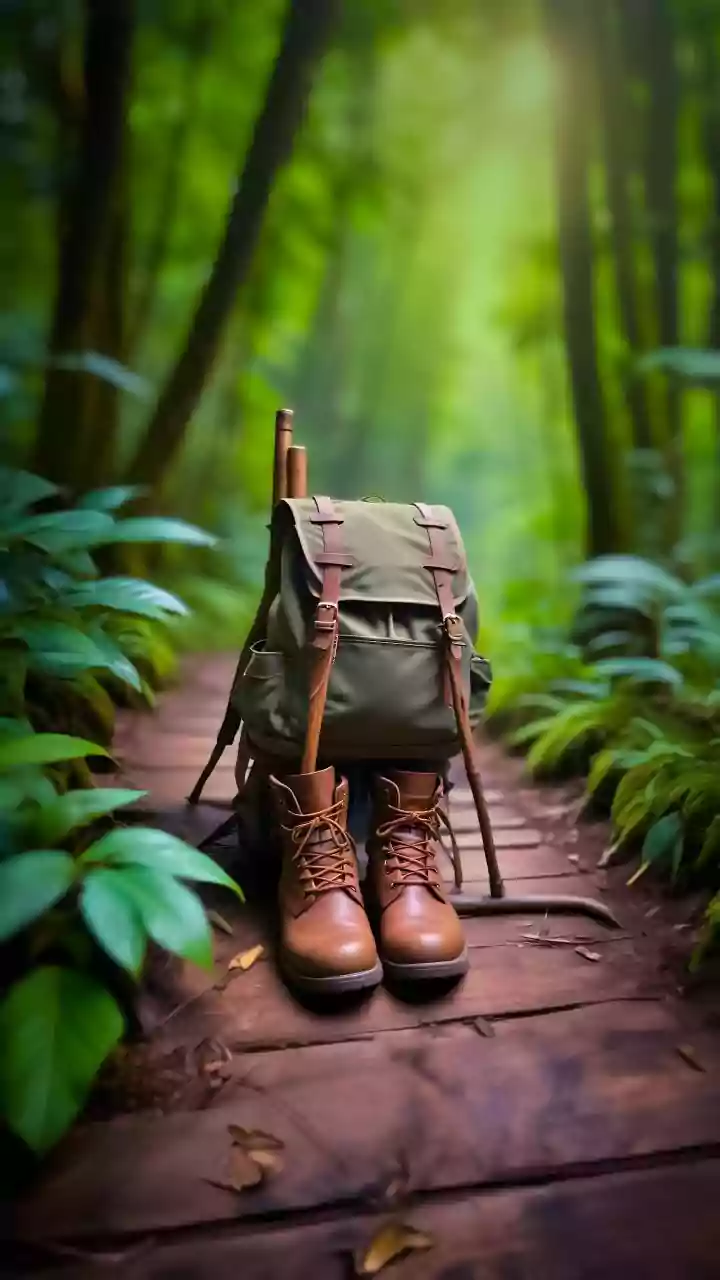
Footwear can make or break your monsoon adventure. Trails will be slippery, rocky, and muddy. For serious trekking, invest in a pair of waterproof hiking shoes with a soft rubber sole and excellent grip. The soft sole increases friction on wet rocks, reducing the risk of slips. High-ankle support can also protect against twists and offers some defense against snake bites. For general travel and exploring towns, waterproof sandals or floaters with good grip are perfect. Avoid cotton or canvas shoes, which absorb water and take days to dry in the high humidity.
The Unseen Challenge: Leech Protection
Leeches are a common reality in the damp forests of the Western Ghats during monsoon. While harmless, they are a nuisance. The best defense is a pair of anti-leech socks. These are knee-length, often made of water-repellent fabric, and worn over your regular socks to create a barrier. Tucking your quick-dry trekking pants into these socks adds another layer of protection. Wearing light-coloured clothing can also help you spot any determined crawlers more easily. Carrying a small pouch of salt or a small spray bottle with a Dettol/salt water solution is useful for safely detaching any that latch on.
Embrace Synthetics: Clothing Strategy
The golden rule of monsoon packing is to leave your cotton clothes at home. Cotton absorbs moisture and can take days to dry in humid conditions, leaving you with damp, smelly garments. Instead, pack quick-dry synthetic fabrics like polyester and nylon. These materials wick moisture away from your skin and dry within hours, even indoors. Pack at least one full extra set of dry clothes in a sealed waterproof bag to change into after a day of trekking. This small comfort makes a huge difference.
Keeping It Dry: Waterproofing Your Gear
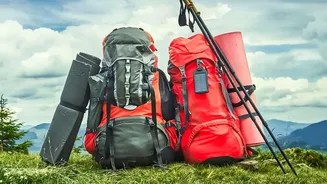
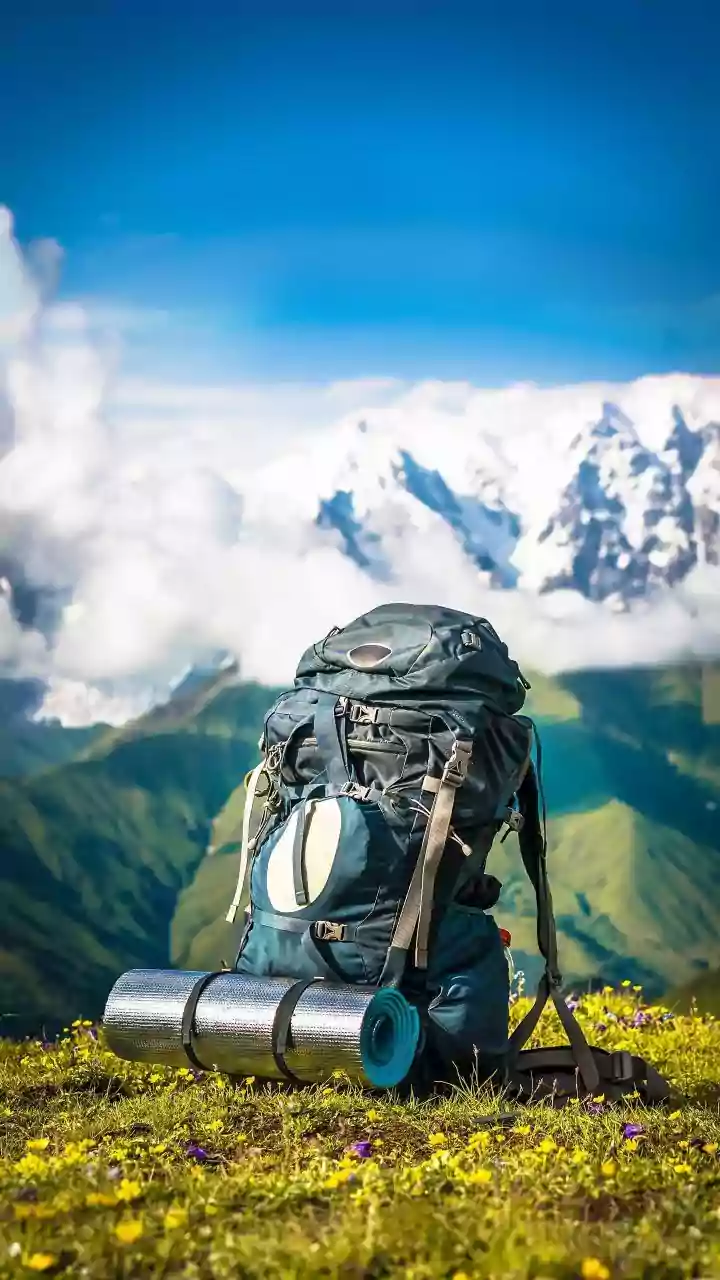
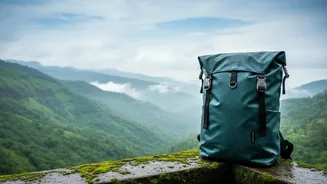
Water has a way of getting into everything. Protecting your belongings is crucial. Start with a water-resistant backpack that has a dedicated rain cover. For internal organization and foolproof protection, use dry bags or stuff sacks. These are essential for keeping your spare clothes, electronics, and first-aid kit completely dry, even if your main bag gets soaked. Simple Ziploc bags of various sizes are also invaluable for protecting your phone, wallet, passport, and snacks from a sudden downpour.
Essential Extras for Comfort and Safety
A few small items can significantly improve your trip. A quick-dry microfibre towel is a must; it’s absorbent, lightweight, and dries much faster than a standard towel. Pack a basic first-aid kit that includes antiseptic for leech bites, bandages, and pain relief. Mosquito repellent is also important, as the rains bring an increase in insects. Finally, with frequent power cuts possible, a reliable flashlight or a headlamp with extra batteries is a smart addition for navigating in the dark.