

The Millet Renaissance
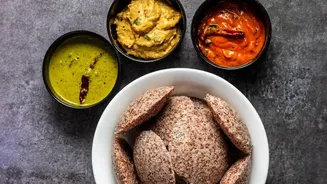
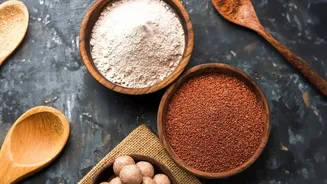
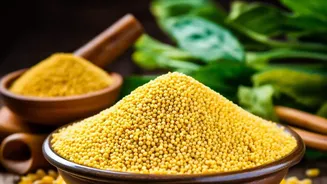
Once staples in Indian kitchens, millets like bajra (pearl millet) and foxtail millet were side-lined during the Green Revolution's focus on wheat and rice. Today, they are making a powerful comeback. This revival is driven by a modern focus on wellness,
with consumers seeking nutrient-dense, gluten-free, and sustainable food options. Millets fit this need perfectly. They are praised for their high fibre content, rich mineral profile, and lower glycemic index compared to refined grains. This shift isn't just happening in homes; it's a nationwide movement, supported by initiatives like the International Year of Millets, which has boosted awareness and availability.
Bajra: The Pearl of Power
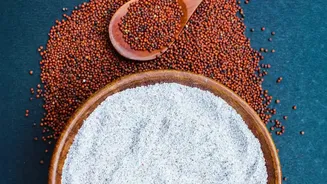
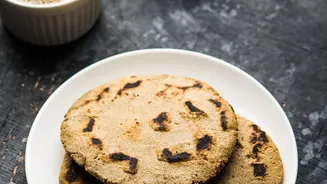
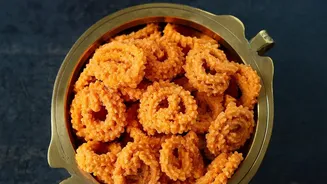
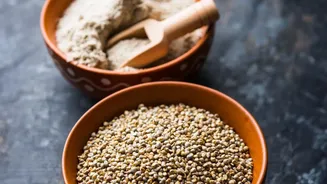
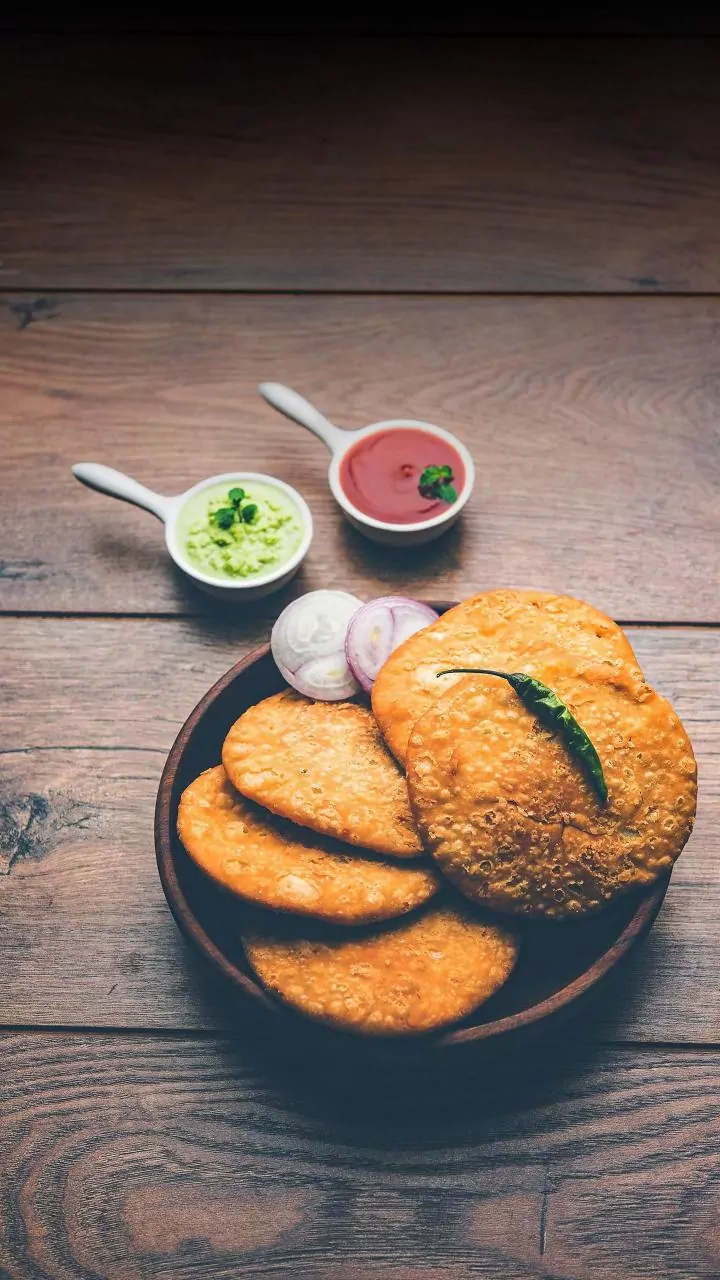
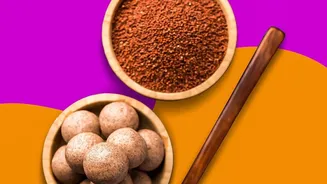
Bajra, or pearl millet, is a nutritional powerhouse known for its robust and nutty flavour. Traditionally used for rotis in states like Rajasthan and Gujarat, its unique taste is now enhancing snacks. Being naturally gluten-free and rich in protein, fibre, and minerals like magnesium and iron, bajra adds significant value to any dish it's in. Imagine a classic mathri, but with a deeper, earthier note and a more satisfying crunch. Bakers and home cooks are replacing or blending refined flour with bajra flour to create everything from savoury crackers to spicy murukku, offering a snack that feels both indulgent and wholesome.
Foxtail Millet: The Subtle Staple
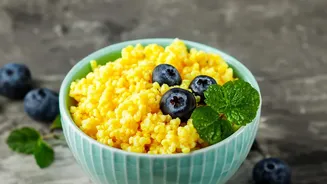
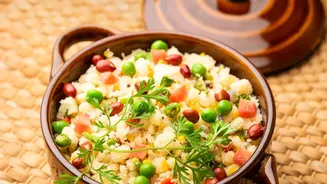
Lighter and with a milder flavour than bajra, foxtail millet is incredibly versatile. Its delicate taste allows it to blend seamlessly into recipes without overpowering other ingredients. Rich in fibre and antioxidants, it's an excellent grain for promoting heart health and managing blood sugar. In the world of snacks, foxtail millet is proving to be a game-changer. It can be cooked like rice and used as a base for savoury tikkis, mixed with vegetables and spices for a new take on a classic street food. Its flour is also used to make cookies, cakes, and even pancakes, offering a soft texture and a healthy twist on sweet and savoury treats alike.
More Than a Healthy Swap
The return of millets to snacking is about more than just nutrition; it's a flavour upgrade. Bajra brings a distinct nuttiness that pairs beautifully with ajwain and black pepper in a mathri. Its flour can sometimes have a slightly bitter edge, but this complexity is what makes it a delicious partner for rich ingredients like ghee and jaggery. Foxtail millet adds a delightful fluffiness to dishes, while millet flakes can be used to make a crispy, whole-grain chivda, offering a satisfying crunch that's different from the usual flattened rice. These grains are not merely substitutes but key ingredients that introduce new textures and deeper, more complex flavours to beloved recipes.
A Taste of Ancestral Wisdom
Incorporating millets into snacks is a beautiful example of food trends coming full circle. For thousands of years, these grains were central to Indian diets, perfectly adapted to the local climate and offering balanced nutrition. The modern revival isn't about inventing something new, but rather rediscovering the wisdom of our ancestors. By revamping heritage recipes, we are connecting with a food culture that was inherently sustainable and nourishing. It’s a way of honouring tradition while adapting it to the palate and lifestyle of today’s health-conscious Indian consumer.