





The Wisdom of Winter Eating
Traditional Indian cuisine operates on a principle of eating seasonally, a concept deeply rooted in Ayurveda. During winter, the body's digestive fire, or 'agni', is believed to be stronger, making it the ideal time to consume richer, more nutrient-dense
foods. The goal is to provide sustained energy and keep the body warm from the inside out. This is achieved by incorporating ingredients with 'warming' properties, such as certain grains, spices, and healthy fats, which help balance the body against the cold, dry qualities of the season. These foods are not just about calories; they are packed with vitamins and minerals that bolster the immune system when it's most vulnerable to colds and flu.
Power-Packed Millets and Grains
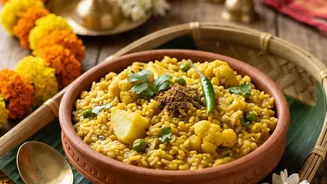
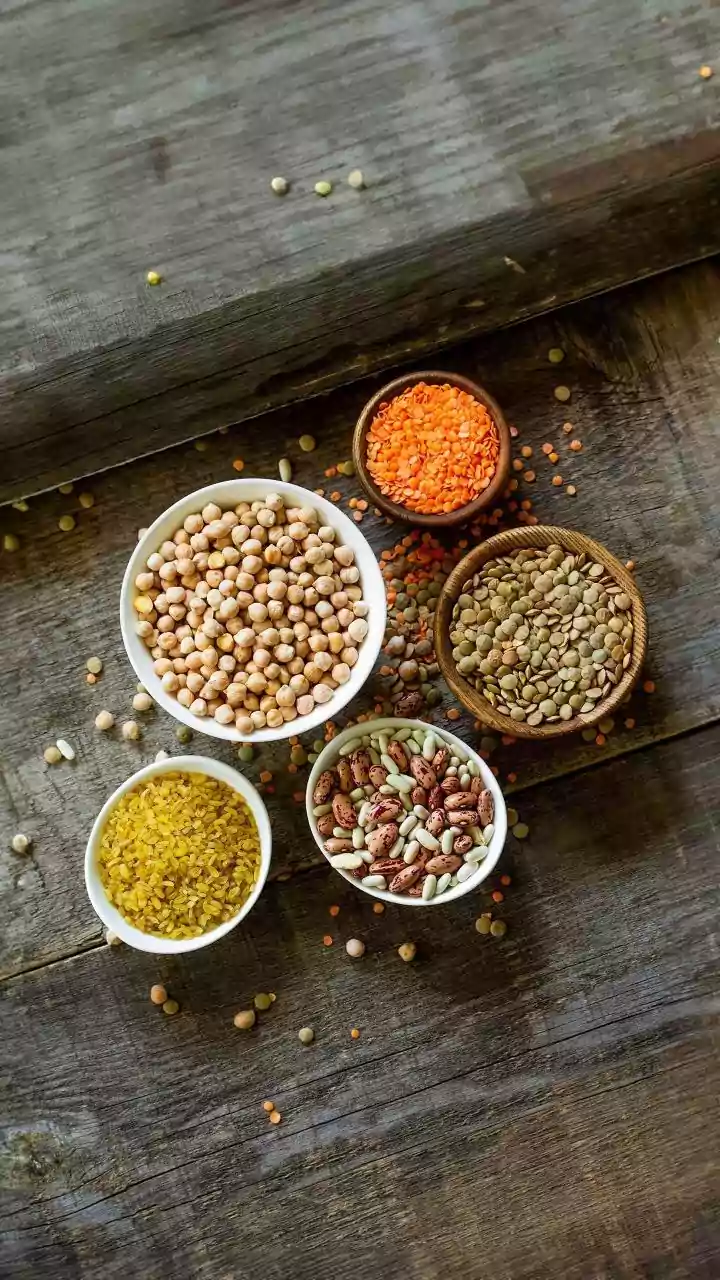
Winter sees a shift from lighter grains to heartier millets like bajra (pearl millet) and makki (maize flour). Bajra is prized for its warm potency and high nutritional value, including iron, magnesium, and fibre. Its complex carbohydrates break down slowly, providing lasting energy and a feeling of fullness that helps combat winter lethargy. This is why dishes like Bajra Roti and Bajra Khichdi are staples in many parts of India during colder months. Similarly, Makki di Roti, famously paired with Sarson ka Saag, is made from cornmeal, another slow-digesting grain that offers sustained warmth and energy. These gluten-free grains are not only comforting but also excellent for digestive health and managing blood sugar levels.
The Comfort of Ghee and Jaggery
The combination of ghee (clarified butter) and jaggery (unrefined cane sugar) is a cornerstone of Indian winter nutrition. Ghee is a source of healthy fats that provides lubrication against winter dryness and helps the body stay warm. It's also rich in fat-soluble vitamins like A, D, and E, which are crucial for immunity. Jaggery, unlike refined sugar, is packed with minerals like iron and magnesium. It's known to boost immunity, purify the blood, and help combat symptoms of the common cold. Eaten together, often with a millet roti or in sweets, ghee and jaggery provide a potent dose of warmth and energy.
Seasonal Greens and Their Benefits
Winter is the season for lush green leafy vegetables, and none is more celebrated than Sarson ka Saag (mustard greens curry). Mustard greens are a powerhouse of nutrients, including vitamins A, C, and K, as well as iron and antioxidants. These nutrients are vital for boosting the immune system, improving digestion, and maintaining overall health during the season. The classic pairing with Makki di Roti creates a balanced meal, with the fibre from the roti and the rich nutrients from the saag working together to fortify the body. Other winter greens like spinach (palak) and fenugreek (methi) are also used extensively, offering similar protective benefits.
Warming Sweets for Energy and Health
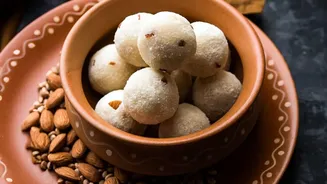
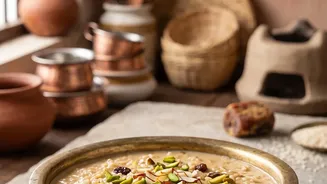
Indian winter sweets are more than just indulgences; they are functional foods designed to provide nourishment. 'Gond ke Laddoo', made from edible gum resin ('gond'), are a prime example. Gond is known for its warming properties and ability to strengthen bones and joints, which can feel stiff in the cold. Another popular winter preparation is 'Panjiri', a crumbly mixture of whole wheat flour, ghee, sugar, and loaded with nuts and seeds. These laddoos and powders are energy-dense, support digestion, and bolster immunity. Even 'Gajar ka Halwa' (carrot pudding), a beloved dessert, provides a healthy dose of Vitamin A from carrots and energy from milk and ghee.