

From Kitchen Staple to Key Technology
When we talk about 'salt-based' batteries, we're primarily referring to sodium-ion (Na-ion) technology. The fundamental principle is similar to the lithium-ion (Li-ion) batteries that currently power most EVs and smartphones. In both, metal ions shuttle
between two electrodes—an anode and a cathode—through a liquid electrolyte to store and release energy. The key difference is the charge-carrying ion: sodium instead of lithium. The core advantage lies in sodium's incredible abundance. It's one of the most plentiful elements on Earth, readily available in common salt (sodium chloride) and soda ash. This starkly contrasts with lithium, which is scarce, geographically concentrated, and subject to volatile pricing and geopolitical tensions.
The All-Important Cost Advantage
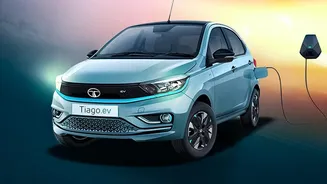
The primary driver behind the excitement for sodium-ion batteries is cost. The raw materials are significantly cheaper; by some estimates, sodium carbonate costs a fraction of the price of lithium carbonate. Furthermore, Na-ion batteries can use aluminium as a current collector instead of the more expensive copper required in Li-ion cells, further trimming production expenses. While Na-ion batteries are currently more expensive to manufacture due to lower production volumes, industry experts predict that at scale, they could be 20-30% more economical than their lithium-based counterparts. This cost reduction is crucial for the Indian market, where making EVs more affordable for the masses is a top priority.
A Strategic Fit for India’s Ambitions
For India, adopting sodium-ion technology is not just about cheaper cars; it's a matter of strategic importance. The nation is heavily dependent on imports for lithium-ion cells and their critical components, with China dominating much of the global supply chain. This reliance creates significant supply chain and economic vulnerabilities. Developing a domestic sodium-ion battery ecosystem aligns perfectly with the 'Make in India' and 'Atmanirbhar Bharat' missions. India has a strong domestic chemical industry capable of producing key materials, reducing import dependency and enhancing energy security. Several Indian companies, like Indi Energy, Rechargion, and Reliance-acquired Faradion, are already making strides in developing and commercializing this technology. Some are even using agricultural waste to produce the required hard carbon, tackling pollution while building batteries.
Performance, Safety, and Practical Uses
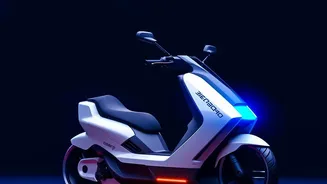
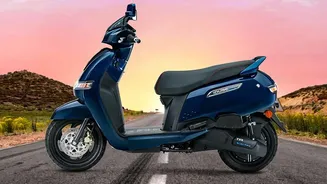
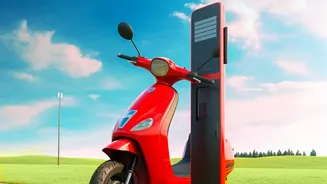
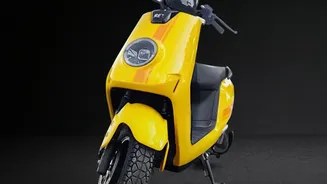
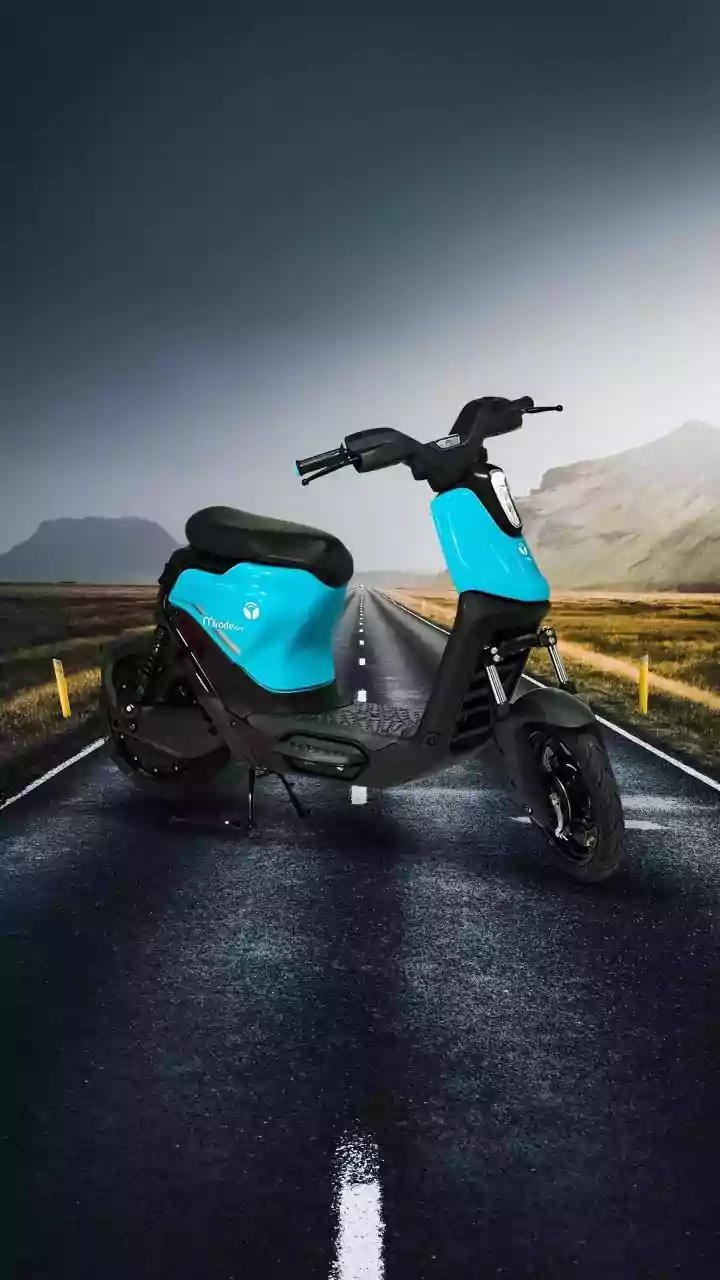
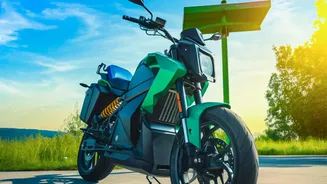
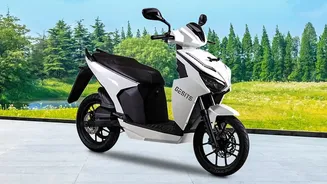
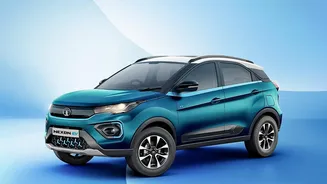
Historically, the trade-off for sodium's low cost was lower energy density, meaning the batteries stored less energy for their size and weight compared to lithium-ion. This made them less ideal for long-range passenger cars. However, recent advancements are closing this performance gap. Modern sodium-ion batteries are now approaching the performance of Lithium Iron Phosphate (LFP) batteries, a popular choice for EVs. They also offer distinct advantages, such as superior performance in extreme cold and better thermal stability, which reduces the risk of fires. Because of these characteristics, Na-ion batteries are seen as an excellent fit for India’s massive two- and three-wheeler EV market, as well as for stationary energy storage for grids and solar installations. Mass-produced EVs with sodium-ion batteries are expected to hit the market in the near future.
The Road Ahead and Remaining Hurdles
Despite the immense potential, the path to mass adoption has its challenges. The primary hurdle is scaling up manufacturing to bring down costs and compete with the mature lithium-ion industry. India's ecosystem for sodium-ion specific components like cathodes and anodes is still in a nascent stage and needs significant investment and policy support. Researchers are continuously working to improve energy density and cycle life, while policymakers are being urged to include Na-ion technology in schemes like the Production Linked Incentive (PLI) to accelerate commercialization. A dual-strategy approach, using Li-ion for high-performance applications while integrating Na-ion for cost-sensitive segments, is seen as the most practical way forward for India.